Skip to main content


Starting a trailer rental business can be a lucrative opportunity for entrepreneurs looking to tap into the growing rental economy.
With rising demand from contractors, movers, landscapers, and individuals, renting trailers offers a steady source of income with manageable startup costs.
This step-by-step guide walks you through everything you need to know to build a profitable and sustainable trailer rental business.
Why Start a Trailer Rental Business
The trailer rental industry continues to grow due to consistent demand across multiple sectors. Businesses and individuals frequently need trailers for moving equipment, materials, or vehicles, creating recurring rental opportunities.
Compared to other equipment rental ventures, startup costs are relatively lower, and scalability is straightforward. Whether you rent to local businesses or individuals, the right setup can help you establish a reliable source of rental income.
Choose Your Market and Business Model
Your first decision is identifying your target customers and defining your business model. You can serve residential movers, contractors, or landscaping companies, or even offer specialized trailers for niche markets like dump or enclosed trailers.
Market research is essential. Study businesses in your area and understand their rental needs.
Check online searches for “rent a trailer” or “utility trailers near me” to gauge demand. You can start by focusing on one segment—like utility trailers for small contractors—before expanding.
Business model options include owning a fleet, operating a peer-to-peer platform connecting trailer owners to renters, or franchising. Each has different profit margins and operational responsibilities, so choose one aligned with your resources and long-term goals.
Create a Practical Business Plan and Financial Model

A clear business plan helps guide your growth and attract investors. Start with an executive summary outlining your services, followed by market research, financial goals, and growth projections.
Your financial model should include startup costs (trailers, insurance, permits, software), ongoing expenses (maintenance, storage, marketing), and pricing strategies.
Calculate your break-even point and profit margins based on utilization rates.
For instance, if each trailer rents for $60 per day and operates 20 days a month, you can estimate your monthly rental income and set realistic goals.
This data-driven approach builds a foundation for a successful trailer rental business.
Cover Legal, Licensing, and Insurance Requirements
Before you rent trailers, ensure your business complies with local laws. Register your business name, obtain an Employer Identification Number (EIN), and secure any necessary permits or licenses.
Most regions require liability insurance to protect your business and renters in case of damage or accidents. Consider commercial auto and property insurance as well. If you plan to operate multiple trailers, check Department of Transportation (DOT) regulations and safety standards.
Proper documentation not only protects your business but also enhances customer trust—a key element for long-term success.
Build or Acquire Your Fleet
Building your fleet depends on your target market and budget. Decide whether to buy new or used trailers.
New trailers come with warranties but cost more, while used trailers reduce startup costs but may need maintenance.
Popular trailer types include utility, dump, and enclosed trailers. Each serves different customer needs. Start small—perhaps with two or three utility trailers—and scale as demand grows.
Establish a regular maintenance schedule to ensure safety and reliability. Document inspections, repairs, and condition reports to maintain a professional image and comply with insurance requirements.
Set Pricing, Terms, and Damage Policies
Pricing should balance competitiveness and profitability. Research local rates to determine your price tiers—daily, weekly, and monthly options are common.
Offer discounts for long-term rentals or repeat customers to build loyalty.
Define clear rental terms, including deposits, late return fees, and cleaning charges.
A transparent rental agreement protects both parties and minimizes disputes. Also, include a simple damage policy outlining how repair costs are handled in case of incidents during the rental period.
Operations and Booking Infrastructure
Efficient operations are critical for profitability. Automate your booking and inventory management using reliable rental software.
Platforms like Sharefox can help you manage reservations, digital contracts, trailer availability, and fleet tracking—all from one dashboard. Implement online payments and contactless pickup or delivery options to improve customer experience.
A streamlined booking process not only saves time but also enhances customer satisfaction and repeat business.
Marketing and Customer Acquisition
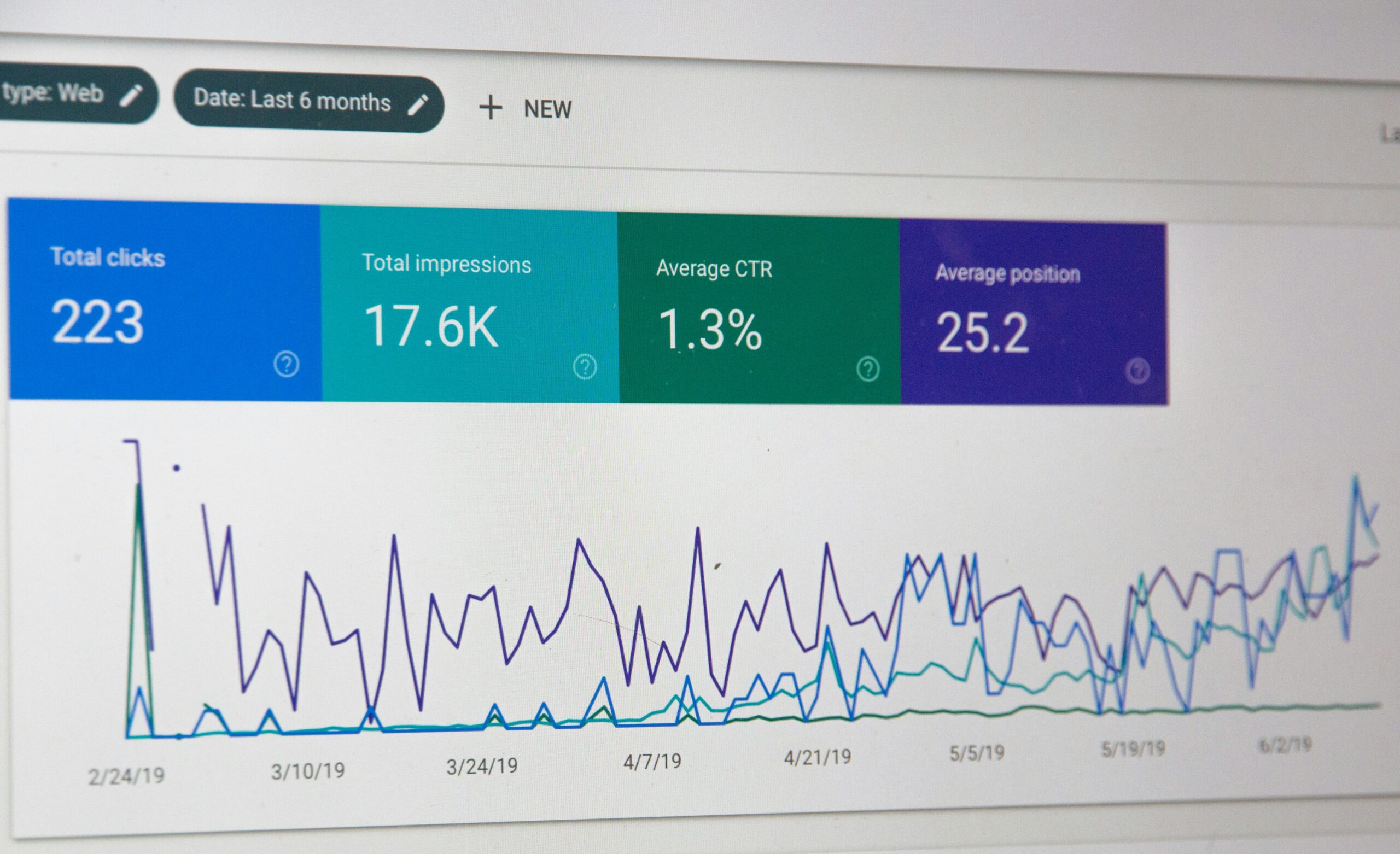
Your marketing strategy should combine digital and local outreach. Start with strong local SEO—optimize your Google Business Profile and make sure your business appears in local search engine results for terms like “utility trailer rental business” or “rent trailers near me.”
Use targeted ads and partnerships with contractors, moving companies, and equipment rental firms. Encourage reviews and testimonials to build credibility. Sharing educational blog posts—like guides on towing safety or choosing the right trailer—can also attract potential customers and boost search visibility.
Include a referral or loyalty program to reward returning customers and encourage word-of-mouth marketing.
Measure Performance and Scale Safely
Once your trailer rental business gains traction, track performance through metrics such as utilization rate, revenue per trailer, and maintenance cost per mile.
When you see consistent bookings and steady revenue, consider adding more trailers or expanding into new regions.
Scaling safely means maintaining quality service, efficient systems, and sufficient insurance coverage to protect your business and assets.
Quick Startup Checklist
- Research the rental market and identify your niche
- Register your business and acquire insurance
- Build or buy your first fleet of trailers
- Set clear pricing and rental terms
- Implement rental management software
- Create your marketing strategy
- Launch your website and optimize for search engines
- Start taking bookings and collecting reviews
Suggested Next Steps
Ready to build your trailer rental business with efficiency and automation?
Explore how Sharefox rental software can help you manage bookings, customers, and fleet operations seamlessly.
Book a demo today and take your business to the next level.
Frequently Asked Questions
The following are the answers to some FAQs:
Is a Trailer Rental Business Profitable?
Yes. With high demand and relatively low startup costs, most operators achieve profitability within the first year when managed efficiently.
How Much Capital Do I Need to Start?
Startup costs vary depending on your fleet size and equipment, but many businesses start with as little as $10,000–$20,000 for used trailers and insurance.
Do I Need Special Licenses?
Basic business registration and liability insurance are typically required. Depending on your location and trailer type, additional permits may be necessary.
Building a Successful Trailer Rental Business
Starting a trailer rental business takes planning, dedication, and the right tools. By focusing on customer experience, leveraging rental software, and scaling strategically, you can turn your new business into a long-term success in the growing rental industry.



 All in one platform