Skip to main content


Self storage gate software is a digital system that controls, monitors, and automates access to a storage facility by managing entry permissions, tracking activity, and integrating with billing and tenant data.
Self storage gate software is a critical component of modern facility operations. It connects physical gate hardware with cloud-based systems that manage who can enter, when they can access the property, and how that activity is recorded.
As facilities scale and operate with fewer on site staff, automated access control becomes essential. Manual keys, paper logs, and disconnected systems are no longer reliable or secure.
Modern self storage gate software replaces these with centralized, automated systems that improve security, reduce operational risk, and enhance tenant convenience.
This guide explains how self storage gate software works, why it matters, and how to evaluate the right system for your facility.
Why Secure Gate Access Is Essential for Self Storage Facilities
Gate access is the first and most important security layer in any self storage facility.
Without controlled entry, facilities are exposed to:
- Unauthorized access
- Theft and vandalism
- Liability risks
Self storage gate software ensures that only approved tenants, staff, and vendors can enter the property.
Each user is assigned specific permissions, which eliminates guesswork and reduces the risk of misuse. Every access event is logged digitally, giving operators full visibility into activity across the facility.
From a tenant perspective, strong security builds trust. When access is controlled and monitored, customers feel more confident storing their belongings.
For operators, automation ensures consistent enforcement without relying on manual oversight.
Core Features of Self Storage Gate Software
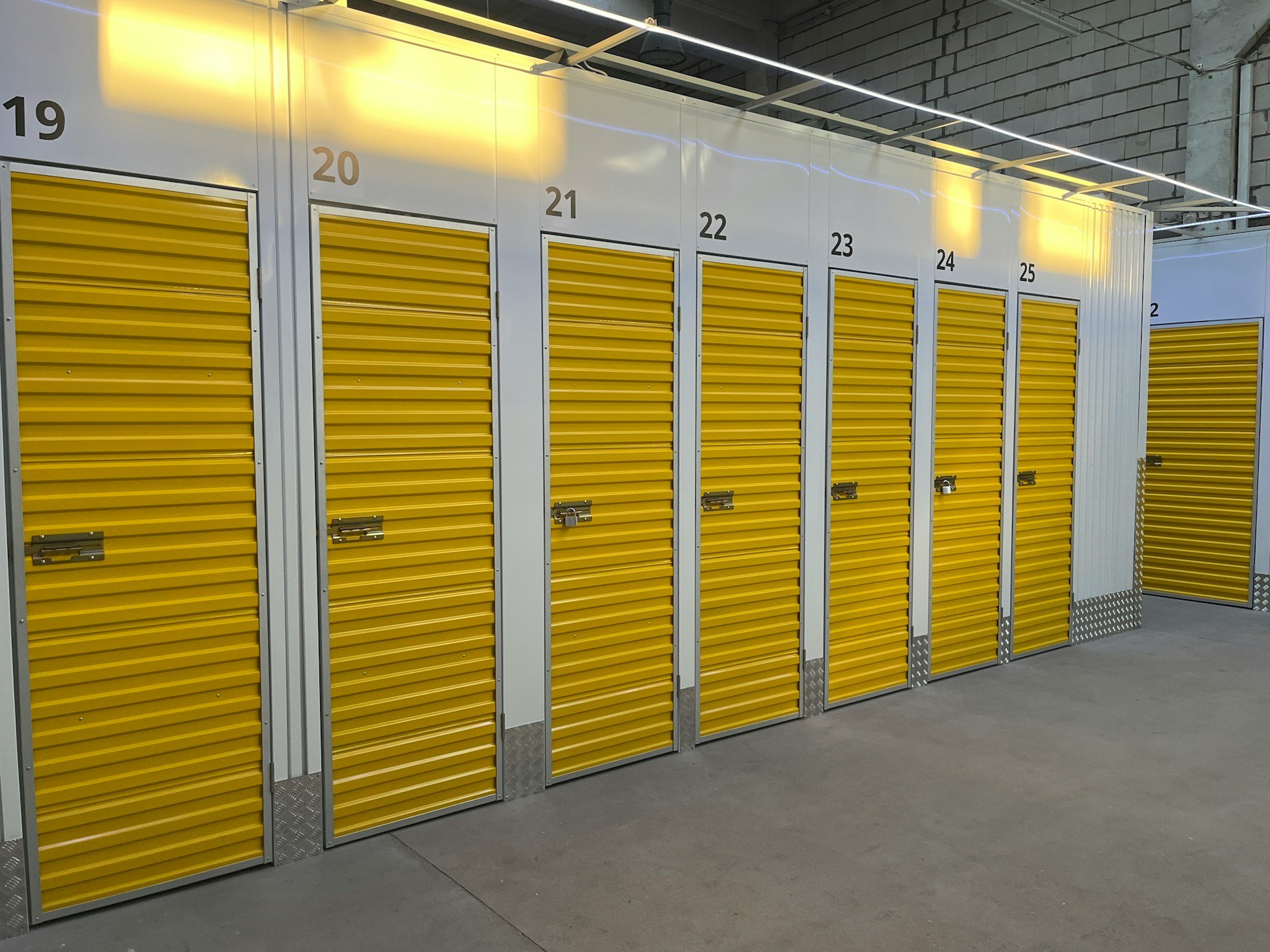
Effective self storage gate software combines hardware compatibility with intelligent automation.
Digital Keypads and Code Management
Tenants receive unique access codes linked to their account.
Operators can:
- Update or revoke codes instantly
- Set expiration rules
- Prevent code sharing or misuse
This ensures access remains secure and traceable at all times.
Cloud Based Control and Remote Access
Cloud-based systems allow operators to manage gate access from anywhere. Permissions can be updated instantly across one or multiple facilities. This is especially valuable for operators managing several locations.
Cloud systems also reduce maintenance and eliminate reliance on on-site servers.
Real-Time Monitoring and Alerts
Every entry and exit is recorded automatically.
Operators can:
- Review access logs
- Investigate incidents
- Receive alerts for unusual activity
This creates a proactive security environment instead of a reactive one.
Mobile Access and App-Based Entry
Modern systems allow tenants to open gates using their smartphones.
This improves:
- Convenience
- Security (no shared codes)
- Hardware longevity
Mobile credentials can also be disabled instantly if needed.
Integration With Security Systems
Gate software integrates with:
- Surveillance cameras
- Alarm systems
- Motion sensors
This creates a layered security system where access events can be verified and monitored in real time.
Gate Types and Their Access Control Requirements
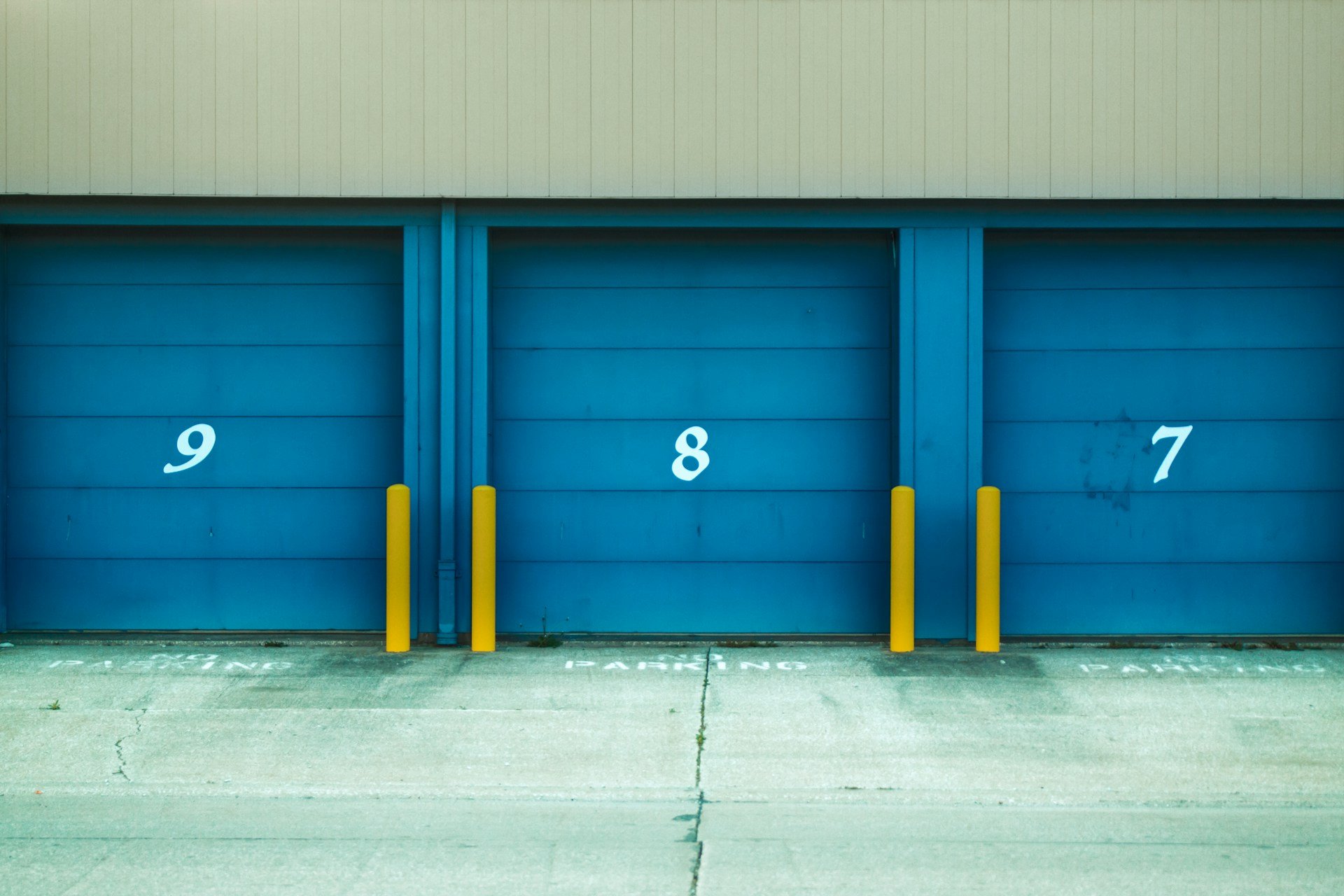
Different gate types require different configurations.
- Slide gates: Common for large facilities, require precise timing and obstruction detection
- Swing gates: Used in smaller spaces, require safety-aware control systems
- Vertical lift gates: Designed for high traffic, require fast authentication
- Barrier arm gates: Focused on speed, require strict validation to prevent tailgating
Choosing compatible self storage gate software ensures reliable performance and minimal downtime.
Integration With Property Management Systems
One of the most powerful capabilities of self storage gate software is integration with property management systems.
When connected:
- New tenants receive access automatically upon move-in
- Delinquent tenants can be restricted instantly
- Access permissions update based on account status
This eliminates manual updates and ensures policies are enforced consistently.
From Access Control to Full Facility Automation
Gate access becomes significantly more powerful when it is part of a connected system.
Instead of managing access separately, modern operators integrate gate software with a complete self storage platform that includes:
- Tenant management
- Automated billing
- Online bookings
- Reporting and analytics
???? Explore how a complete system connects access control with operations: Sharefox’s Self Storage Software
This type of integration reduces administrative work and creates a fully automated facility experience.
Cloud Based Gate Software Vs Traditional Systems
Traditional systems rely on on-site servers and manual configuration.
While functional, they come with limitations:
- Limited remote access
- Higher maintenance
- Reduced scalability
Cloud-based self storage gate software offers:
- Remote control from anywhere
- Automatic updates
- Easy scalability across locations
Facilities should ensure reliable internet connectivity and consider backup access modes for outages.
Security Best Practices for Gate Software Deployment
Even the best system requires proper setup.
Key best practices include:
- Rotating and expiring access codes regularly
- Using multifactor authentication where available
- Setting up alerts for unusual activity
- Performing regular system updates and testing
A proactive approach ensures long-term security and reliability.
Choosing the Right Self Storage Gate Software
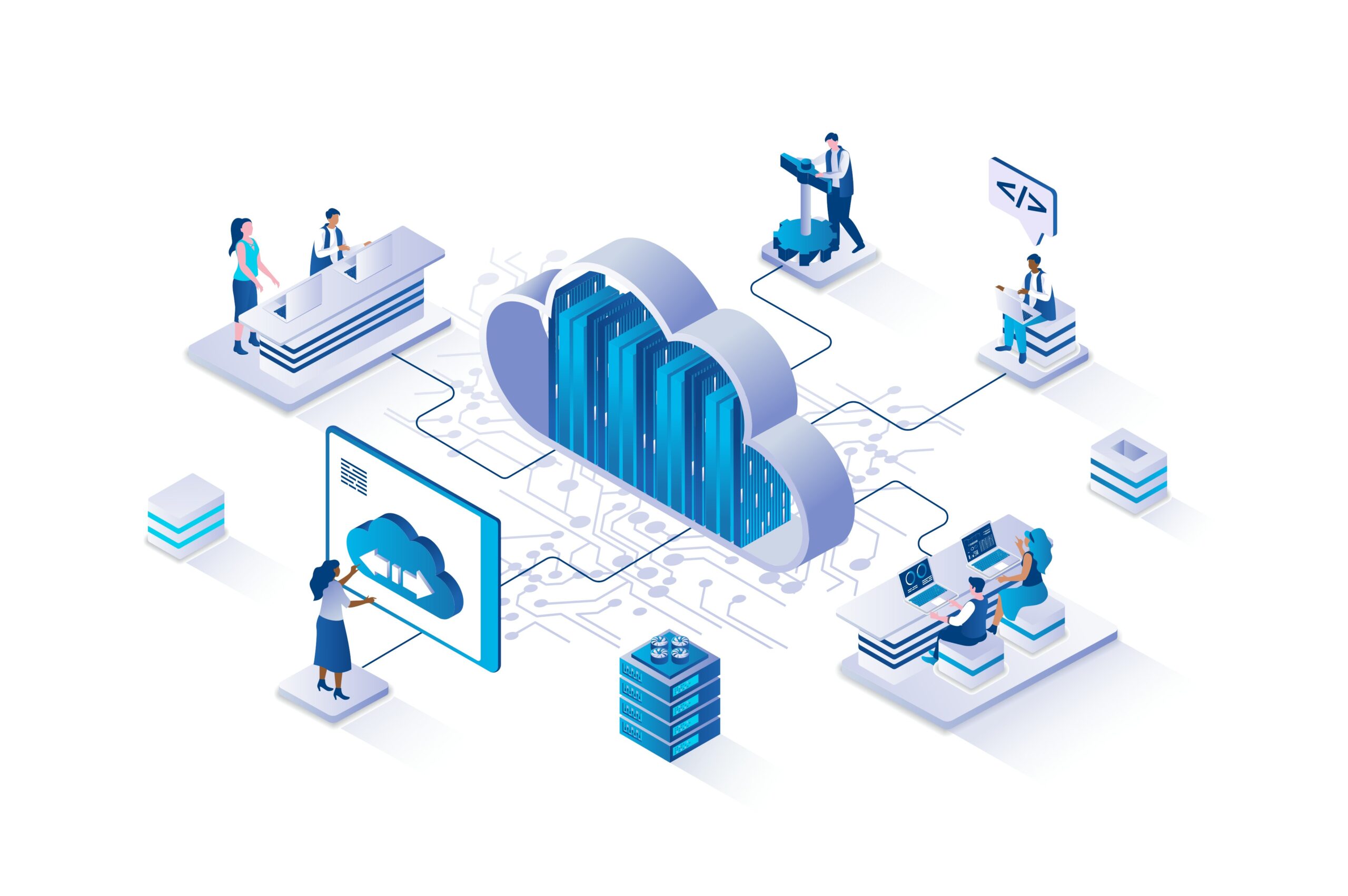
Selecting the right system depends on your facility’s needs.
Key factors to evaluate:
- Compatibility with existing hardware
- Integration with property management systems
- Scalability for future growth
- Ease of use for tenants and staff
- Vendor reliability and support
The right software should not only control access but also simplify operations.
The Future of Self Storage Gate Software
The future of gate security is driven by automation and data intelligence. AI powered monitoring can identify unusual patterns and flag potential risks before incidents occur. Biometric and advanced mobile access options are also emerging, offering higher security and improved convenience. Data analytics will play a larger role in understanding facility usage, optimizing access hours, and improving tenant experience through informed decisions.
Modernize Your Facility With Smarter Gate Access
Self storage gate software is no longer just a security tool. It is a core part of how modern facilities operate, automate, and scale. Facilities that rely on manual access control systems face higher risks, increased workload, and limited growth potential.
By implementing Sharefox’s self storage software to your systems, you can:
- Automate access based on tenant status
- Improve security and visibility
- Reduce manual intervention
- Deliver a seamless tenant experience
See how gate access fits into a fully automated storage system.
Modern storage facilities are built on connected systems.
Gate access is where that transformation begins!
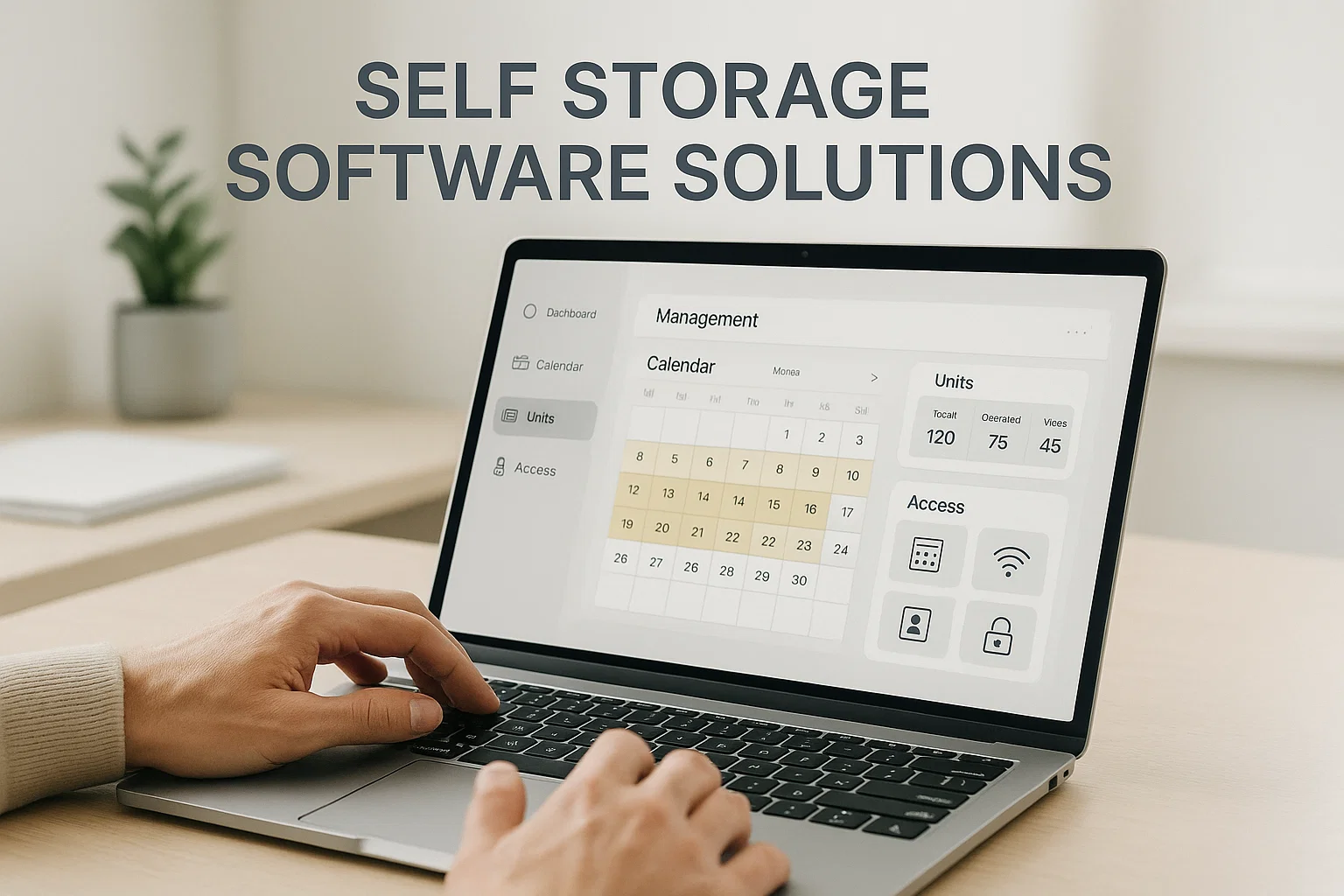

 All in one platform