Skip to main content


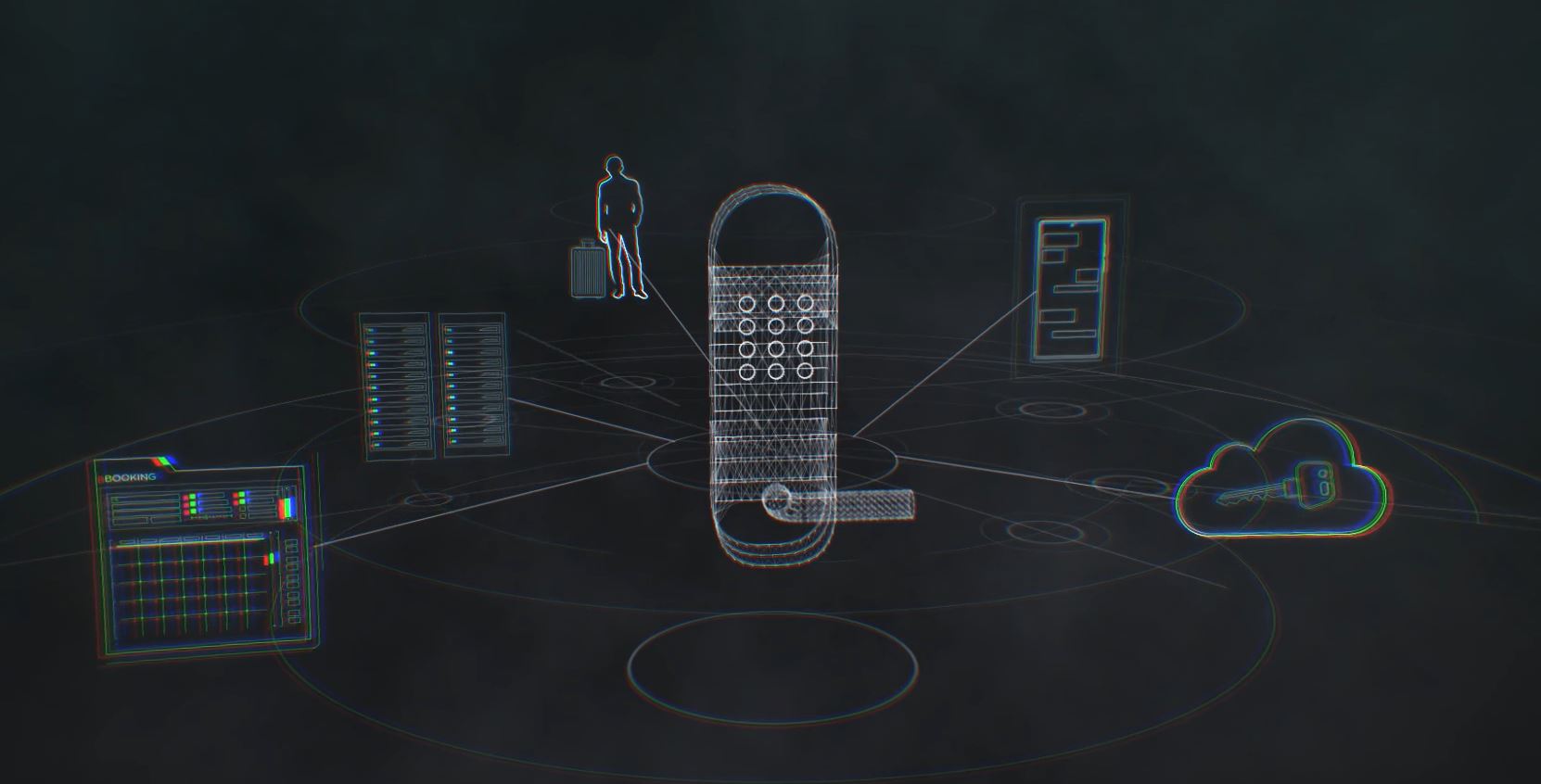
Metal keys and fobs are quietly becoming the fax machines of vehicle access — familiar, but no longer the fastest way to get the job done. Digital lock systems, led by innovations like the Hyundai Digital Key, are replacing that old habit with something your phone already does better: securely proving who you are and letting you in.
This shift isn’t just a convenience upgrade for individual drivers. It’s also reshaping how rental, fleet, and mobility businesses operate. Platforms like Sharefox show how the same underlying technology — phone-based identity, encrypted access, remote control — lets an equipment or vehicle rental business hand over the keys (literally) without a staff member ever being in the room.
Below, we unpack how digital keys work, what makes the Hyundai Digital Key stand out, how secure the technology really is, and where the industry is headed next.
Understanding Digital Keys
What Is a Digital Key?
A digital key turns your smartphone into a virtual car key. Instead of carrying a metal key or key fob, your phone stores an encrypted credential that lets you unlock, lock, and start your vehicle.
This same logic — using a phone instead of a physical object to grant access — is exactly what powers self-service rental businesses. A car rental company, for example, can let a customer complete their entire car rental booking online, verify their ID, and unlock the vehicle themselves at pickup, with no staff handover required.
How Digital Keys Work
Digital keys rely on short-range wireless communication between your smartphone and the vehicle. Two technologies do the heavy lifting:
Once the digital key is activated in a compatible app, the phone and vehicle exchange encrypted signals to confirm identity before granting access — similar in principle to the Bluetooth vs. Wi-Fi smart lock trade-offs rental and self-storage operators weigh when choosing hardware for their own fleets or facilities.
Rental businesses have adapted this same tap-and-go model. Sharefox, for instance, integrates with self-service check-in/out partners like Sharebox and Inlet, so a customer can tap their phone to a reader and both unlock and start a rented vehicle — no front-desk visit needed. Car dealerships and fleet operators are seeing similar shifts, as covered in key systems for car dealerships.
Benefits of Using Digital Keys
The appeal goes beyond not fumbling for keys in your pocket:
- Faster turnaround — automated check-in/out cuts idle time between rentals or handovers.
- Modernized brand experience — a smooth digital journey meets the expectations customers already have from banking and travel apps.
- Independent booking and return — customers can complete the entire process without waiting for staff availability, a pattern explored further in Car Rental Self-Service Automation and Digitalization.
- Flexible sharing — a digital key can be sent to a family member or employee in seconds, and revoked just as fast.
Hyundai Digital Key Features
Overview
The Hyundai Digital Key lets drivers unlock, lock, and start their vehicle using a compatible smartphone, removing the need for a traditional key entirely. It reflects a broader industry move toward phone-based access — the same trend visible in rental and mobility platforms that now offer vehicle rental software built around digital, self-service check-in rather than a physical handover.
Key Features for Car Access
- Unlock and start the car via NFC or BLE
- Share digital keys with other drivers through the app
- Remote lock/unlock and monitoring functions
- Support for automated, independent check-in/out — the same principle that lets a rental customer complete a self-service keyless car rental from start to finish on their own.
Integration with Mobile Apps
The Hyundai Digital Key lives inside a dedicated mobile app, where owners manage the key, share access, and control select vehicle functions remotely. This app-centric model — identity verification, payments, and access control in one place — mirrors how modern rental commerce platforms combine ID verification, billing, and digital access into a single customer journey.
“The moment access moves from a physical object to a verified digital identity, you stop managing keys and start managing trust. That’s the real shift — for car owners and for rental operators alike.” — Asgeir Helland, Self-Service Rental Expert at Sharefox
Security Aspects of Digital Lock Systems
How Digital Keys Ensure Security
Security starts before the key ever unlocks anything: the system verifies that only an authorized user’s phone can hold and activate a digital key. From there, encrypted communication between the phone and vehicle keeps each access event authenticated. That multi-layered approach — verification, encryption, device-binding — is designed to close many of the gaps that traditional keys leave open.
Comparing Digital Keys with Traditional Keys
According to independent testing bodies, this shift doesn’t eliminate risk — it changes its shape. Consumer Reports has noted that phone-based access is generally harder to clone than older key-fob signals, but still depends on how well the manufacturer implements encryption and update practices.
Best Practices for Secure Use
- Keep your phone’s OS and the digital key app updated for the latest security patches.
- Share keys only with people you trust, and revoke access as soon as it’s no longer needed.
- Use your phone’s biometric lock as an added layer, since it protects the digital key itself.
- For rental or fleet operators, pair digital key access with ID verification at booking — a combination that also reduces manual admin, as outlined in guides on tool and equipment self-service rentals.
Future of Digital Lock Systems in Automotive
Ongoing Innovations in Digital Key Technology
Interoperability is the next big unlock. The Car Connectivity Consortium (CCC) — an industry body spanning carmakers and mobile platform providers — continues to drive standards so a digital key works consistently across brands and phone operating systems, not just within one manufacturer’s ecosystem. Expect BLE and NFC implementations to keep getting more precise, enabling context-aware features like automatically unlocking as you approach without touching your phone.
Trends in Car Access Solutions
Digital key “wallets” — where multiple vehicle keys sit alongside your cards and boarding passes — are becoming more common, and integration with smart home and wearable ecosystems is extending access beyond just the phone. J.D. Power research on in-vehicle technology has consistently found that owners rank seamless smartphone integration among the features they value most when choosing a new vehicle.
Hyundai’s Role in Shaping the Future
Hyundai continues to invest in digital key development, working alongside the CCC and technology partners to keep pace with evolving standards. For businesses watching this space — rental operators, fleet managers, mobility startups — the direction is clear: physical keys are becoming optional, and the businesses that adapt their booking and access workflows now will be better positioned as the technology matures.
 All in one platform