Skip to main content


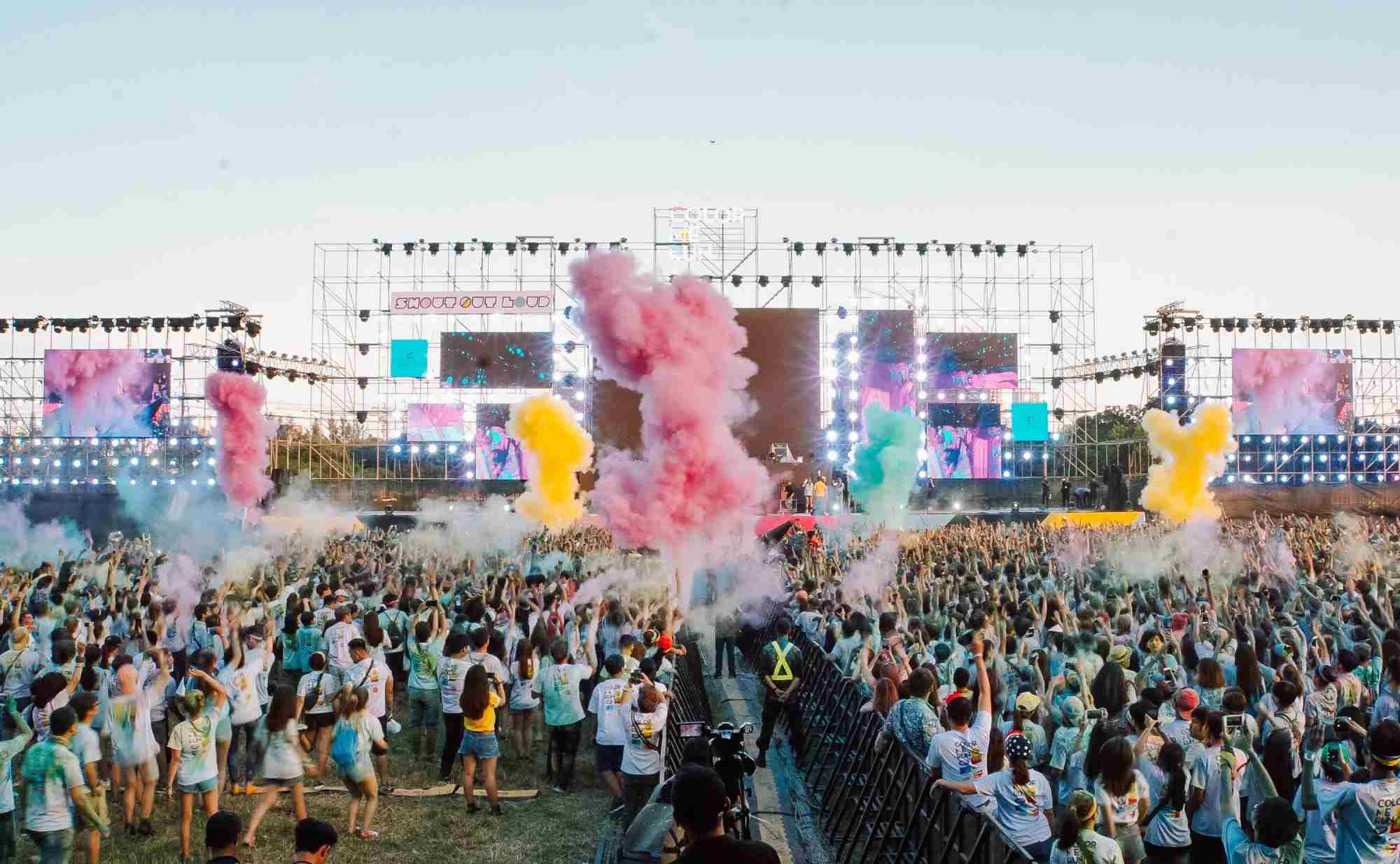
As a rental business owner, you already know that timing is everything. Festival season is one of the few windows each year where demand spikes fast, and the operators who prepare early are the ones who capture the bookings — not the ones scrambling once the calendar fills up. This guide walks through how to get your rental business ready for the music, food, and arts festivals on the calendar, based on patterns we see across hundreds of event rental businesses running on Sharefox.
Understanding the Festival Calendar
Overview of Festivals and Events
Every festival season brings a mix of recurring headline events and newer, smaller gatherings, and each one creates a slightly different rental opportunity. Broadly, the festival calendar breaks down into three categories that matter for inventory planning:
- Music festivals — live sound, staging, and crowd infrastructure at scale
- Food festivals — vendor-facing equipment: tables, tents, refrigeration, power
- Arts festivals — display, lighting, and smaller-footprint rentals
According to the International Festival & Events Association (IFEA), festivals and outdoor events have continued to grow year over year as organizers look to rebuild and expand attendance post-pandemic, which means rental demand tends to grow alongside them rather than plateau.
Key Dates for Music and Food Festivals
Multi-day festivals — some running three or four days — require sustained logistical support, not a single drop-off and pickup. That changes how you plan crew time, spare inventory, and on-site maintenance.
| Festival type | Typical duration | Peak equipment demand | Recommended booking lead time |
|---|---|---|---|
| Music festival | Multi-day | Sound systems, staging, generators, fencing | Longest lead time |
| Food festival | Short to multi-day | Tables, chairs, refrigeration, tents | Moderate lead time |
| Arts festival | Short to multi-day | Display panels, lighting, seating | Shorter lead time |
Lead times vary by region and festival size, so treat this table as a planning baseline, not a hard rule — always confirm timelines directly with the organizer.
How to Stay Updated on Festival Announcements
Organizers typically announce lineups, themes, and special features — fireworks, children’s activities, a film festival tie-in — months ahead of the event. Build a habit of checking official festival sites, local tourism boards, and industry publications on a set schedule (weekly is reasonable during peak announcement season) so you’re never the last supplier to know about a new booking window.
Preparing Your Rental Business for the Festival Season
Identifying the Right Equipment for Each Festival
Matching inventory to festival type is the foundation of a good festival season. A music festival’s needs (robust sound systems, stage rigging) look nothing like a food festival’s (refrigeration, ample seating), and treating them the same way in your stock planning is a common — and avoidable — mistake. Categories like tent rentals, party and event supply, and audio-visual equipment each have their own seasonal demand curve worth tracking separately in your rental software.
Creating a Flexible Rental Lineup for Various Events
“The operators who do well in festival season aren’t the ones with the biggest warehouse — they’re the ones who know exactly what’s booked, what’s coming back, and what’s still available, in real time. That visibility is what lets you say yes to one more booking instead of turning it down.” — Sharefox Customer Success team, on what separates strong festival-season operators
A flexible lineup means having core, easily reconfigured items — tents, generators, tables — that flex across event types, plus specialized gear for specific themes. Real-time booking and inventory visibility is what makes that flexibility actually usable instead of just aspirational.
Developing Partnerships with Festival Organizers
Reaching out early to organizers of music, food, and arts festivals — before their vendor lists are locked — is one of the highest-leverage moves a rental operator can make. Consistent, reliable service over one or two seasons often turns into standing agreements and first-look access to next year’s event details.
Marketing Strategies for Festival Rentals
Spotlighting Your Rental Services in Festival Promotions
Ask organizers whether your brand can appear in their promotional materials — a small logo placement or a “supplied by” credit puts your business in front of an audience that’s already engaged and looking for exactly what you offer.
Leveraging Social Media to Reach Festival Attendees
Short video of your equipment in action — a tent going up, a sound rig being tested — performs well around festival season because it’s visual proof, not just a claim. Pair it with festival-specific hashtags and, where it fits your budget, targeted ads timed to the weeks before major events. For a step-by-step approach, see our guide on building a marketing strategy for rental businesses.
Building Excitement for Upcoming Festivals
Early-bird discounts and small contests tied to specific festivals (Oktoberfest, a regional arts weekend) create urgency without discounting your entire season. If you haven’t nailed down your festival-season pricing yet, our pricing strategies for event rental businesses guide is a good next stop.
Managing Logistics During the Festival Season
Planning for Increased Demand During Major Festivals
Busy seasons create operational pressure, but they’re manageable with the right groundwork. Mobility and self-storage operators solve a version of the same problem rental businesses face during festival season — increasing turnaround speed and utilization without burning out staff or damaging equipment through rushed handling. Our post on overcoming seasonal fluctuations covers this in more depth.
Ensuring Timely Delivery and Setup for Events
Booking, inventory, and invoicing living in one system — rather than spreadsheets plus a separate calendar plus a separate invoicing tool — is what keeps delivery on schedule when you have five drop-offs happening the same morning. Automated check-in/out and digital tracking reduce the manual admin that typically causes the small delays that snowball on festival weekends.
Handling Post-Festival Equipment Returns
Returns are where festival-season profitability is quietly won or lost. A clear return procedure, digital tracking, and immediate inspection for damage mean your inventory is actually ready for the next booking instead of sitting in a maintenance backlog. This is also where good inventory and asset tracking pays for itself — you’ll know within minutes, not days, what’s back in rentable condition. If your review turns up gaps, see 5 secrets on how to be hyper-efficient with your rental business or book a free trial to see how Sharefox handles the return workflow end to end.


 All in one platform