 Skip to main content
Running a self storage business in 2026 is no longer just about renting units and collecting payments. Operators are expected to deliver seamless digital experiences, automate daily operations, and maintain real-time visibility across facilities.
This shift has transformed storage software from a back-office tool into a core growth driver for self-storage businesses.
Choosing the best self storage software now directly impacts occupancy rates, operational efficiency, tenant experience, and long-term scalability.
Modern platforms combine facility management, rental automation, tenant communication, and payment processing into a single cloud-based system. The right solution eliminates manual work, prevents revenue leakage, and enables operators to scale operations without increasing administrative overhead.
This guide compares the top self storage software solutions in 2026 and helps operators choose the platform that best fits their operational needs.
Overview of Self Storage Software in 2026

Close-up of hands typing on a laptop keyboard in a workspace
Self storage software has evolved far beyond basic unit tracking tools. Modern platforms now function as complete facility management systems designed to handle the entire rental lifecycle.
In 2026, the most competitive platforms focus on:
- Automation across the entire rental lifecycle
- Contactless online reservations and move-ins
- Real-time cloud access from anywhere
- Integrations with accounting, payments, and access control systems
- Tenant self-service portals and digital contracts
Tenants expect to reserve units online, sign rental agreements digitally, and manage payments without visiting a physical office.
Operators relying on outdated systems or spreadsheets often struggle to meet these expectations and lose customers to facilities offering modern digital experiences.
Understanding Self Storage Management Software
The self-storage business today is no longer just about providing space. Operators must deliver complete service experiences while maintaining operational efficiency.
Self storage management software helps operators achieve this by automating administrative tasks, integrating with existing systems, and providing real-time business insights.
These platforms are designed specifically for the self-storage industry and include tools to manage units, track tenants, process payments, and monitor facility performance.
Instead of juggling spreadsheets, payment processors, access control systems, and tenant records separately, operators can manage everything through one centralized platform.
This simplifies facility management while supporting business growth and operational efficiency.
What Is Self Storage Software?
Self storage software is a specialized type of property management software designed specifically for storage facilities.
It allows operators to manage all aspects of their facilities, including:
- Unit inventory and availability
- Tenant information and contracts
- Billing and payment processing
- Access control and security systems
- Performance reporting and analytics
Most modern systems are cloud-based, allowing operators to access their platform from anywhere while keeping data secure and synchronized across facilities.
These systems automate daily operational tasks so operators can focus on growing their business instead of handling administrative work.
Why Choosing the Best Self Storage Software Matters

Professional presentation taking place in a conference room with laptops
Manual processes create inefficiencies that compound over time.
Common operational challenges include:
- Missed or delayed payments
- Inaccurate unit availability tracking
- High administrative workload
- Limited visibility across facilities
- Difficulty scaling operations
A modern self storage management system centralizes operations and automates repetitive workflows.
This allows operators to focus on what truly drives growth:
- Increasing occupancy rates
- Improving tenant experiences
- Scaling operations efficiently
- Making data-driven decisions
For operators managing multiple locations, cloud-based software provides centralized oversight across facilities while maintaining consistent workflows.
Key Features to Compare When Evaluating Self Storage Software
The best self-storage platforms combine multiple capabilities designed to simplify operations and enhance tenant experiences.
Below are the most important features to evaluate when comparing solutions.
Automated Billing and Payment Processing
Automated billing is one of the most valuable features of modern storage software.
Platforms should support:
- Recurring payments
- Online payment gateways
- Automatic payment reminders
- Late fee automation
Automation ensures that payments are processed consistently while reducing administrative workload.
Tenant Management and Lease Tracking
Effective tenant management allows operators to monitor lease agreements, track payment history, and maintain accurate records.
Advanced systems provide:
- Digital lease agreements
- Automated lease renewal notifications
- Tenant communication tools
- Full payment histories
These features help operators maintain strong tenant relationships while reducing manual administrative work.
Online Reservations and Contactless Move-Ins
Contactless rentals are now a competitive advantage in the storage industry.
Leading platforms allow tenants to:
- Search available units online
- Reserve units instantly
- Verify identity digitally
- Sign agreements electronically
- Complete payments online
This creates a fully automated rental experience.
Tenant Portal and Communication
A self-service tenant portal allows customers to manage their storage accounts without contacting staff.
Tenants can:
- View agreements
- Make payments
- Update account information
- Receive automated notifications
This significantly reduces support requests while improving customer satisfaction.
Cloud-Based Management
Cloud-based platforms provide flexibility and scalability.
Operators can:
- Manage facilities remotely
- Monitor occupancy in real time
- Access dashboards from mobile devices
- Receive automatic software updates
Cloud infrastructure also improves security and system reliability.
Integration With Other Systems
Integration capabilities separate basic tools from scalable platforms.
The best self-storage software integrates with:
- Accounting software
- Payment gateways
- Access control systems
- CRM platforms
Integrations eliminate duplicate data entry and create seamless automated workflows.
Reporting and Performance Analytics
Modern platforms provide advanced analytics tools to help operators understand their business performance.
Key insights include:
- Occupancy rates
- Revenue trends
- Payment performance
- Customer behavior
These insights allow operators to make informed decisions and optimize facility performance.
How Self Storage Software Simplifies Operations

Man with glasses giving a thumbs up while using a laptop and phone
Self-storage management platforms streamline facility operations by automating repetitive tasks and providing real-time operational insights.
Streamlining Facility Management
Software allows operators to efficiently manage storage units, monitor occupancy rates, and track tenant activities from a centralized dashboard.
Automation reduces manual work while ensuring accurate records across facilities.
Integration With Other Business Systems
Many platforms integrate with existing business systems such as accounting software, payment processors, and access control technology.
This synchronization eliminates manual processes and ensures consistent data across systems.
Improving Efficiency for Storage Operators
Self-storage software enables operators to run facilities more efficiently by providing tools for automated reporting, tenant communication, and operational monitoring.
This efficiency allows operators to scale their business without increasing administrative workload.
Best Self Storage Software Platforms in 2026

A person pointing at a laptop screen while another user types
Sharefox
Sharefox stands out as one of the most complete automation-driven self storage platforms available in 2026.
Built specifically for rental businesses, it replaces fragmented tools with a unified platform that automates the entire rental lifecycle.
Key capabilities include:
- Online unit bookings with real-time availability
- Digital contracts and automated agreement management
- Integrated payment processing with recurring billing
- Identity verification to reduce fraud
- Smart access control integrations
- Centralized tenant and facility management dashboard
Its cloud architecture allows operators to monitor occupancy, payments, and performance across multiple facilities in real time.
Automation reduces manual work across the entire rental lifecycle, from move-ins to payment reminders and renewals.
Operators looking for a scalable platform can explore Sharefox here.
Learn more about our storage solutions here.
Storeganise
Storeganise is known for its flexible architecture and strong automation capabilities.
Key strengths include:
- Contactless online bookings
- Automated billing workflows
- Customizable automation rules
- Open API integrations
- Multi-location support
SiteLink Web Edition
SiteLink remains one of the most established solutions in the self-storage industry.
Notable features include:
- Advanced reporting tools
- Extensive third-party integrations
- Enterprise-grade scalability
- Multi-facility management capabilities
Easy Storage Solutions
Easy Storage Solutions focuses on simplicity and fast deployment.
Core features include:
- Online reservations
- Digital lease agreements
- Automated payments
- Website integration tools
Innago
Innago provides a lightweight and affordable option for smaller operations.
Capabilities include:
- Basic tenant tracking
- Online payments
- Automated reminders
- Simple user interface
Stora
Stora focuses on helping storage businesses grow through automation and analytics.
Standout features include:
- Revenue optimization tools
- Occupancy analytics
- Automated workflows
- Scalable cloud infrastructure
CCStorage
CCStorage offers straightforward storage management with transparent pricing.
Key strengths include:
- No long-term contracts
- Secure tenant management
- Automated payments
- Core facility management tools
Full Comparison Table: Best Self Storage Software in 2026
| Software | Automation | Ease of Use | Integrations | Scalability | Overall Score |
|---|---|---|---|---|---|
| Sharefox | 9.5 / 10 | 9 / 10 | 9 / 10 | 9.5 / 10 | 9.3 |
| Storeganise | 9 / 10 | 8.5 / 10 | 9 / 10 | 9 / 10 | 8.9 |
| SiteLink Web Edition | 8 / 10 | 7.5 / 10 | 9 / 10 | 9 / 10 | 8.4 |
| Easy Storage Solutions | 7.5 / 10 | 9 / 10 | 7 / 10 | 7.5 / 10 | 7.8 |
| Innago | 6.5 / 10 | 8 / 10 | 6.5 / 10 | 6.5 / 10 | 6.9 |
| Stora | 8.5 / 10 | 8.5 / 10 | 8 / 10 | 8.5 / 10 | 8.4 |
| CCStorage | 7 / 10 | 8 / 10 | 6.5 / 10 | 7 / 10 | 7.1 |
How to Choose the Right Self Storage Software

Close-up of hands collaborating on a laptop at a glass table
Choosing the right platform begins with understanding your operational needs and future growth plans.
Key questions include:
- Are you managing one facility or multiple locations?
- Do you require advanced automation or basic management tools?
- Do you need integrations with existing systems?
- How important are analytics and reporting capabilities?
While cost is important, long-term scalability and operational efficiency should carry greater weight when making a decision.
Future Trends in Self Storage Software
The self-storage industry continues to evolve as new technologies emerge.
Automation and Artificial Intelligence
Automation is becoming more advanced with the introduction of AI-driven insights.
These technologies allow operators to predict demand, optimize pricing, and automate operational decisions.
Expansion of Cloud-Based Platforms
Cloud infrastructure continues to dominate the industry due to its scalability and accessibility.
Operators can manage facilities remotely while maintaining secure and synchronized data across locations.
Smart Facility Integration
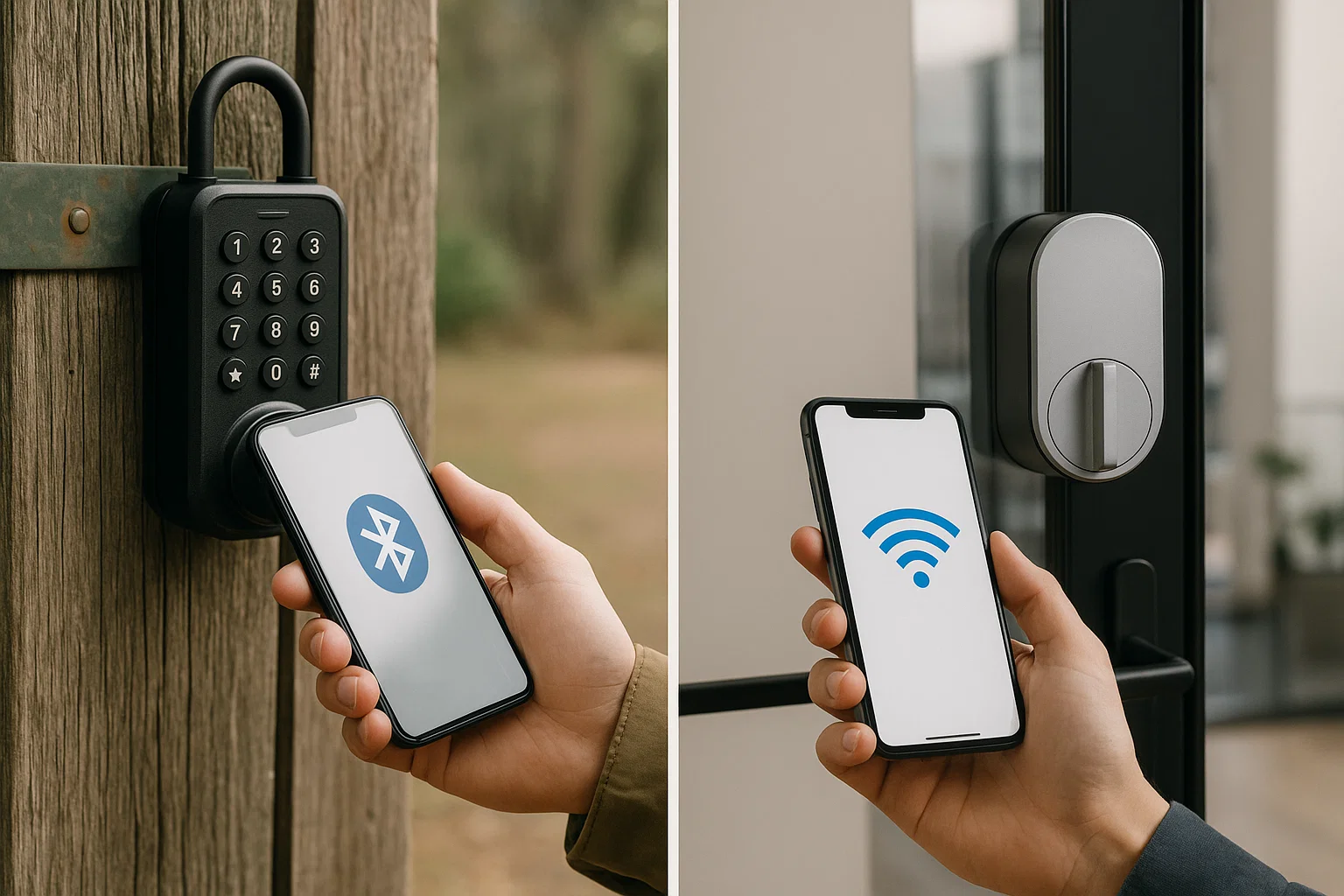
Modern storage facilities are increasingly integrating software with smart technologies such as automated access control, digital identity verification, and remote monitoring systems.
These innovations create fully automated storage facilities.
Final Thoughts
The best self storage software in 2026 goes beyond simple facility management.
Modern platforms automate workflows, improve tenant experiences, and provide valuable insights that help operators scale their businesses.
By carefully comparing automation capabilities, integrations, scalability, and usability, storage operators can choose a platform that supports both current operations and future growth.
To explore a fully automated platform designed for rental and storage businesses, visit Sharefox.
Frequently Asked Questions
Is cloud-based self storage software better?
Yes. Cloud-based platforms allow remote access, automatic updates, improved security, and easier scalability compared to on-premise systems.
How much does self storage software cost?
Pricing varies by provider and feature set. Most platforms charge monthly subscriptions based on facility size, number of units, or feature tiers.
Do these platforms support online payments?
Most modern storage platforms support online payments, automated billing, and recurring payment processing.
Can I try self storage software before purchasing?
Many providers offer free demos or trial periods. Testing the platform with real workflows is strongly recommended.
What features should I prioritize?
Focus on automation, integrations, scalability, ease of use, and customer support rather than simply comparing feature counts.

 All in one platform