Skip to main content


Starting an equipment rental business might sound like one of those “capital-heavy, complicated” ventures… until you realize how many industries rely on renting instead of buying.
A contractor doesn’t want to spend $80,000 on a machine they’ll use twice a month. An event planner doesn’t want to own 200 chairs year-round. That gap between need and ownership? That’s your opportunity.
In this guide, you’ll learn exactly how to start an equipment rental business from scratch, including costs, strategy, and the systems that actually make it profitable.
What Is an Equipment Rental Business and Why It Is Growing Fast
Before jumping into setup, it’s important to understand why this model is exploding right now.
Definition of the Equipment Rental Business Model
An equipment rental business provides tools, machinery, or assets to customers for a fee over a set period.
You’re not selling the product. You’re monetizing access to it.
This can include short-term rentals like daily or weekly usage, as well as long-term rentals spanning months or years.
Revenue comes from repeat usage of the same asset. One excavator can generate income dozens of times over its lifespan.
Market Demand and Industry Growth Trends in 2026
The rental economy is booming across industries.
Construction companies want flexibility. Event businesses want scalability. Even individuals prefer renting over owning bulky equipment.
There’s also a major shift toward digital-first operations. Customers now expect to browse, book, and pay online. Businesses that adapt to this are scaling faster than ever.
Equipment Leasing vs. Renting Explained Simply
Renting is short-term, flexible, and typically higher-margin per use.
Leasing is longer-term and often includes contractual commitments with lower monthly costs.
If you’re launching an equipment rental company, renting gives you faster cash flow and more control over pricing.
Who Should Start an Equipment Rental Business
Not everyone needs millions to get started. But the right mindset matters more than the budget.
Ideal Entrepreneur Profiles
This business works especially well for contractors who already understand equipment usage, investors looking for asset-backed income, and operators who want recurring revenue.
You can start small as a side hustle or build a full-scale operation.
Skills and Resources You Need to Succeed
You don’t need an MBA, but you do need basic financial understanding, operational discipline, and strong customer service.
And most importantly, systems. Because once bookings increase, chaos follows if you’re not organized.
10-Step Process to Launch an Equipment Rental Company
Let’s break this down into a practical roadmap you can actually follow.
Step 1: Conduct Market Research That Actually Validates Demand
Don’t guess. Validate.
Talk to local contractors. Search what people are renting. Study competitors. If three companies are always booked out, that’s a signal.
Step 2: Choose a Profitable Equipment Niche
Start focused.
Construction equipment, party rentals, tools, and AV gear are common entry points. The key is balancing demand with affordability.
If you’re leaning toward construction specifically, Link opens in a new tabthis breakdown can help you explore that niche further.
Step 3: Create a High-Impact Equipment Rental Business Plan
This is where most people either get clarity or get stuck.
Outline your revenue model, cost structure, pricing strategy, and growth projections. Even a simple plan helps you avoid expensive mistakes later.
You can also explore a deeper step-by-step breakdown on Link opens in a new tabhow to launch an equipment rental business.
Step 4: Register Your Business and Secure Licensing
Choose your structure, register legally, and get required permits.
Regulations vary by region, so this step depends on your location. Don’t skip compliance. It will cost more later.
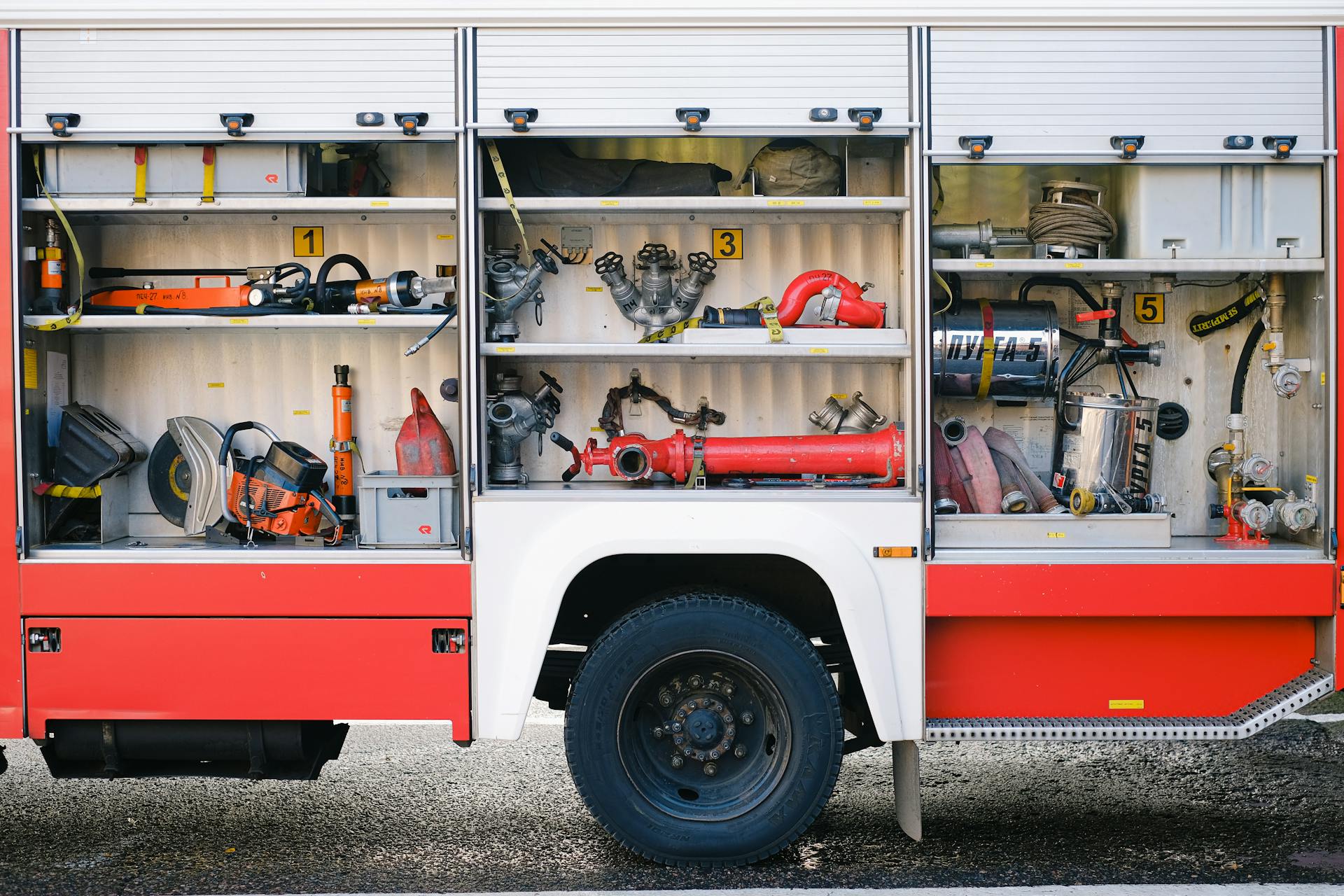
Step 5: Acquire Your Rental Fleet Strategically
This is your biggest investment.
Start lean. Buy equipment that has proven demand. Used equipment can often deliver better ROI if inspected properly.
Avoid the temptation to “buy everything at once.”
Step 6: Get the Right Insurance and Risk Protection
One damaged machine can wipe out your profits.
You’ll need liability insurance, equipment coverage, and clear rental agreements with damage clauses.
If you’re unsure how to structure agreements, Link opens in a new tabthis template is a great starting point.
Step 7: Set Pricing That Maximizes Profit and Utilization
Pricing is not just about undercutting competitors.
Offer daily, weekly, and monthly rates. Encourage longer rentals. Study utilization rates and adjust pricing accordingly.
Step 8: Set Up Equipment Rental Software and Systems
Here’s where many businesses either scale… or collapse.
Manual tracking leads to double bookings, lost inventory, and billing errors.
How Sharefox Simplifies Rental Operations
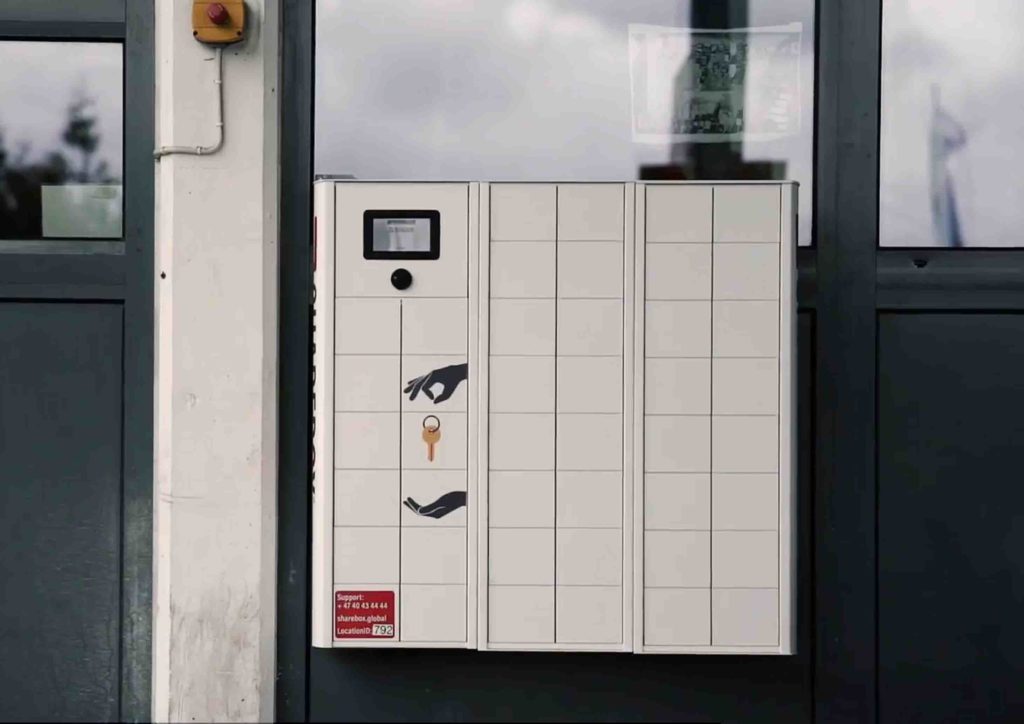
Platforms like Link opens in a new tabSharefox allow you to track inventory in real time, accept online bookings, and automate payments and contracts.
Instead of spreadsheets and phone calls, everything runs from one dashboard.
If you want to see how a complete system works, explore Link opens in a new tabSharefox’s equipment rental software.
Step 9: Build a Marketing Engine That Drives Consistent Rentals
If no one knows you exist, nothing else matters.
Start with local SEO. Set up your Google Business profile. Run targeted ads. Partner with contractors or event planners.
Referrals can become your biggest growth driver.
Step 10: Hire and Train Your Team for Smooth Operations
At some point, you can’t do everything yourself.
Start with operational roles like delivery, maintenance, and customer support. Create simple SOPs so your business doesn’t depend on you 24/7.
Equipment Rental Startup Costs Breakdown With Real Numbers

Let’s talk money. Because this is where most people hesitate.
Complete Startup Cost Table
Here’s a realistic breakdown:
- Small startup: $50,000–$100,000
- Mid-size operation: $100,000–$250,000
- Large-scale business: $250,000–$500,000+
Your biggest expense will always be equipment.
Other costs include storage, licensing, insurance, marketing, and software.
Hidden Costs Most Beginners Miss
This is where budgets quietly explode.
Maintenance isn’t optional. Equipment depreciates. Downtime means lost revenue.
If your machine sits unused for weeks, it’s not just idle. It’s costing you money.
How to Calculate ROI and Profitability Before You Start
A smart operator doesn’t just buy equipment. They calculate returns first.
Simple ROI Formula for Rental Businesses
At its core, your ROI depends on revenue generated per asset, utilization rate, and time to break even.
If a machine costs $10,000 and rents for $200 per day, you need 50 rental days to break even. Everything after that is profit.
Rental Fleet Startup ROI Example
Let’s say you own 5 machines.
If each generates $1,000 per month, that’s $5,000 monthly revenue. If your costs are $2,000, your net is $3,000.
You can recover your investment within a year depending on utilization.
Factors That Impact Profit Margins
Seasonality matters. Equipment lifespan matters. Pricing strategy matters.
The most profitable businesses are not the ones with the most equipment. They’re the ones with the highest utilization.
Link opens in a new tabCALCULATE YOUR ROI
Best Equipment Categories to Consider for Maximum Profit
Choosing the right niche can make or break your business.
High-Demand Equipment Categories
- Construction equipment remains one of the most stable markets.
- Event rentals like tents and chairs have high seasonal spikes.
- Tools and DIY equipment attract consistent demand from homeowners.
- Medical and specialized equipment often have higher margins but require expertise.
How to Evaluate Demand in Your Area
Look around you.
Are there construction projects everywhere? Are events happening regularly? Are competitors fully booked?
Demand leaves clues. You just need to notice them.
Technology and Systems That Give You a Competitive Edge
This is where modern rental businesses separate themselves from outdated ones.
Why Manual Tracking Fails as You Scale
At first, a notebook or spreadsheet might work. Then bookings overlap. Equipment goes missing. Payments get delayed. And suddenly, you’re spending more time fixing mistakes than growing your business.
Key Features to Look for in Equipment Rental Software
You need inventory tracking, online booking capability, automated payments, and reporting and analytics.
Without these, scaling becomes painful.
How Sharefox Helps You Launch and Scale Faster
Sharefox gives you a centralized system to manage everything. You can track inventory, accept bookings online, and automate workflows.
Instead of reacting to problems, you operate proactively.
Common Mistakes to Avoid When Starting an Equipment Rental Business

Every experienced operator has a story of “I wish I knew this earlier.”
Over-Investing in Equipment Too Early
Buying too much inventory without demand ties up your cash.
Start small. Scale based on usage.
Ignoring Utilization Rates
Revenue isn’t about how much you own. It’s about how often it’s rented.
Poor Pricing Strategy
Too low and you lose profit. Too high and you lose customers.
Balance is everything.
Lack of Systems and Software
Trying to manage everything manually will eventually break your business.
Final Thoughts on Building a Profitable Equipment Rental Business in 2026
Starting an equipment rental business isn’t about owning machines. It’s about building a system that turns those machines into consistent income.
Recap of the Most Important Steps to Take
Validate demand, start with the right niche, control your costs, and focus on utilization.
Why Systems and Software Determine Long-Term Success
The difference between struggling operators and scalable businesses usually comes down to systems.
Manual processes limit growth. Automation unlocks it.
Your Next Step to Launch Faster and Smarter
If you’re serious about launching, don’t just focus on equipment.
Set up the right foundation from day one.
Link opens in a new tabExplore Sharefox equipment rental software to build a business that runs smoothly, scales faster, and avoids the common pitfalls most beginners face.

 All in one platform