Skip to main content


In the rental industry, margins are getting tighter every year. Equipment sits idle between jobs, staff spend hours on paperwork instead of customers, and pricing is often set by gut feel rather than data. The businesses pulling ahead aren’t necessarily the ones with the biggest fleets — they’re the ones running the tightest operations. This guide breaks down what actually drives profitability in a rental business, and the concrete steps that move the needle.
What Profitability Really Means for a Rental Business
Profitability is simple in theory: it’s the profit a business generates once all costs are subtracted from revenue. In practice, for a rental business, it’s the outcome of dozens of small operational decisions — how quickly an asset turns around between rentals, how accurately it’s priced, how much manual admin eats into staff time, and how well the business retains the customers it already has.
Two numbers matter most:
- Profit margin — the percentage of revenue that becomes profit. It tells you how efficiently the business converts sales into actual earnings.
- Net profit margin — the percentage left after every cost is deducted, including taxes and interest. This is the number that shows whether growth in bookings is translating into real financial health, or just more revenue moving through a leaky operation.

Rental margins have been under pressure industry-wide. As Torgeir Reve noted at The Rental Conference hosted by the Norwegian Rental Association:
“The operating margins in the rental of machinery and equipment are on the decline, which indicates that competition is intensified.”
That’s the backdrop every rental operator is working against — which is exactly why operational efficiency, not just sales volume, has become the real lever for profitability.
Where the Profit Actually Comes From
Before optimizing anything, it helps to know where the money is being made and lost.
Asset Utilization
An idle asset earns nothing while still costing you in depreciation, storage, and maintenance. Utilization rate — the percentage of time an asset is actually generating revenue — is one of the single biggest levers on profitability in rental.
Pricing Accuracy
Flat, static pricing leaves money on the table during high demand and scares off customers during quiet periods. Proper pricing that reflects season, duration, and demand consistently outperforms guesswork.
Operational Overhead
Every hour spent on manual booking confirmations, paper contracts, or phone-tag with customers is an hour not spent growing the business.
Customer Retention
Acquiring a new customer costs far more than keeping an existing one. Loyal, repeat renters are disproportionately profitable.

Strategies to Increase Profitability
Cost Control
Rental businesses lose margin quietly — through overstocked inventory, inefficient supplier terms, or non-core tasks that could be outsourced. A regular audit of these three areas (supplier contracts, inventory levels, and non-core workload) tends to surface savings faster than most owners expect.
Boosting Sales Revenue
Online self-service is one of the most direct ways to grow revenue without growing headcount. Letting customers browse, book, and pay without a staff member on the phone doesn’t just cut cost — it captures bookings outside business hours that would otherwise be lost. Combined with self-service rental options, this both expands the customer base and raises utilization per asset.
Raising Prices Strategically
A small, well-timed price increase — backed by real demand data rather than a hunch — can lift gross margin meaningfully without denting customer satisfaction. This depends on having effective pricing strategies in place, built around your specific market and product mix rather than copied from a competitor.
Improving Efficiency and Productivity
Streamlining Operations with Technology
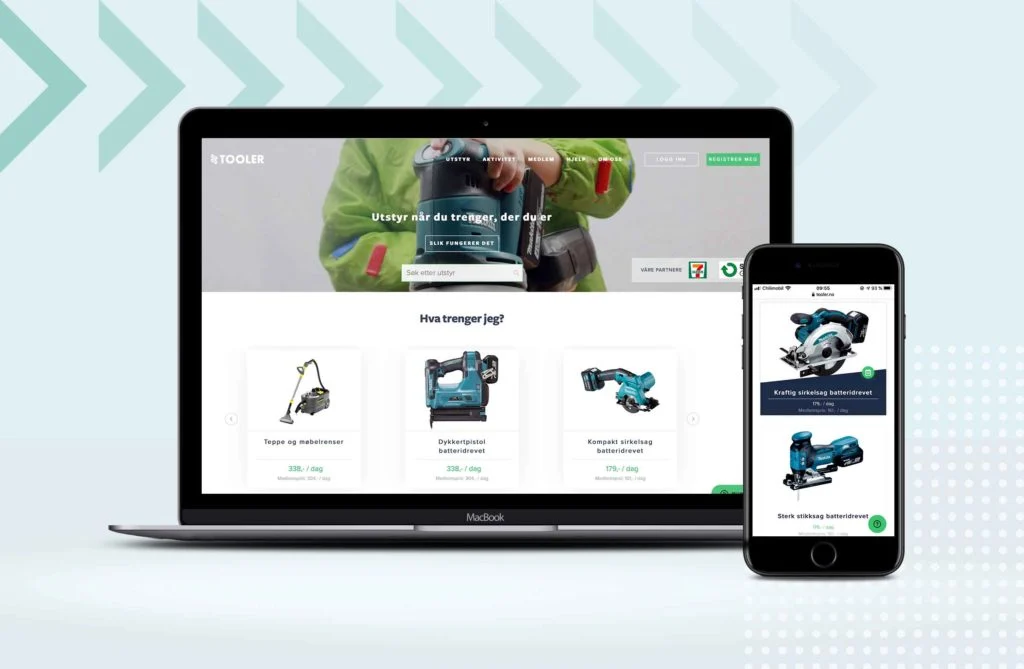
This is where most profitability is won or lost. A modern rental management system that handles booking, inventory, contracts, and payments in one place removes the manual admin that eats into margin. Sharefox’s platform, for example, combines B2C and B2B booking with flexible pricing engines and inventory rental management — reducing turnaround time and cutting the human error that comes with manual processes.
Using Intangible Assets
Brand reputation and customer loyalty don’t show up on a balance sheet, but they lower acquisition costs and support premium pricing. Businesses that invest in customer satisfaction consistently earn the right to charge more without losing customers.
Implementing Full-Cycle Technology
Booking and inventory management alone aren’t enough — accounting, payment processing, and support for subscriptions or long-term agreements need to sit on the same platform. Every manual handoff between systems is a place where errors and delays creep in.
Manual vs. Digital Operations: The Profitability Gap
The pattern is consistent: every row where the manual column relies on a person is a row where time, accuracy, or availability is being lost — and each of those losses compounds against profit margin.
Identifying Your Profit Drivers
Not all customers or products are equally profitable. Two habits separate businesses that grow profitably from those that just grow revenue:
- Segment your customers. Understand which groups generate the highest net profit, and target marketing toward more of them rather than spreading budget evenly.
- Analyze product-level profitability. Factor in demand, maintenance cost, and depreciation per item — not just rental price — to find your genuinely high-margin offerings, and allocate inventory investment accordingly.
Customer Satisfaction as a Profit Strategy
It’s tempting to treat customer experience as separate from profitability. It isn’t. A smooth, self-service booking and return experience reduces staff workload and increases the odds a customer rents again. Combined with a habit of collecting and acting on feedback, this creates a compounding effect: better experience → more repeat bookings → lower acquisition cost per customer → higher net margin.
Bringing It Together
Rental profitability rarely comes from one big change — it comes from closing dozens of small operational gaps: idle assets, static pricing, manual paperwork, and under-leveraged customer data. Businesses that treat efficiency and digitization as core parts of their operating model — not side projects — consistently outperform ones relying on manual processes and instinct-based pricing. As competition tightens across the rental industry, the operators who systematically address utilization, pricing, and automation are the ones protecting their margins.
 All in one platform