Skip to main content


If you have ever stood near a beach road in Bali or a busy European city center, you have probably seen it. Rows of scooters, a few premium motorcycles, and a steady stream of tourists hopping on and riding off like it is second nature.
Now here is the thing most people miss. Behind that simple scene is a business model quietly generating consistent income, often with relatively low overhead compared to other vehicle rentals.
The demand for flexible mobility is exploding. Tourists want freedom. Locals want convenience. Cities want alternatives to cars. And that is exactly where a motorcycle rental business or scooter rental startup fits perfectly.
In this guide, you will learn how to start a motorcycle rental business from scratch, including costs, legal requirements, pricing strategies, and how to scale using modern tools. By the end, you will not just understand the opportunity. You will know how to act on it.
Understanding the Market Opportunity and Demand
Before investing even a dollar, you need to understand why this business works and where the real opportunity lies.
Why Motorcycle Rentals Are Growing Globally
Motorcycle rentals are no longer niche. They are part of the global shift toward experience-driven travel.
Tourists today are not just visiting destinations. They are exploring them. Riding through mountains, coastal highways, and countryside routes offers something a taxi never can.
At the same time, urban mobility is changing. Short-distance commuting is increasing, and motorcycles provide an efficient solution where cars fall short.
Then there is the sharing economy. Platforms have normalized renting assets instead of owning them. This behavioral shift is a huge tailwind for rental businesses.
Scooter Rental Startup Boom in Urban Areas
Scooters are a different beast altogether.
While motorcycles appeal to adventure seekers, scooters dominate urban environments. They are easy to ride, fuel-efficient, and increasingly electric.
Cities struggling with congestion are embracing scooter sharing business models. Electric scooters, in particular, are booming because they align with sustainability goals.
The customer mindset is also different. Scooter users are typically commuters or casual riders, not thrill seekers.
Choosing Your Target Market and Niche
This is where strategy begins.
You need to decide who you are serving. Tourists, locals, or daily commuters. Each group has different expectations, pricing tolerance, and usage patterns.
For example, a beachfront rental targeting tourists will focus on daily pricing and convenience. A city-based scooter startup might prioritize hourly rentals and quick access.
Location matters more than most people realize. Coastal towns, mountain regions, and cities near airports consistently outperform random locations.
Motorcycle vs Scooter Rental Business Models Explained

At this stage, you are not just choosing vehicles. You are choosing your entire business model.
Key Differences Between Motorcycle and Scooter Rentals
Motorcycles typically attract enthusiasts and travelers. They are priced higher and often rented for longer durations.
Scooters, on the other hand, are about accessibility. Almost anyone can ride one with minimal training.
Maintenance also differs significantly. Motorcycles require more upkeep, while scooters are simpler and cheaper to maintain.
Scooter Sharing Business Model vs Traditional Rentals
Traditional rentals involve handing over keys and collecting them later.
Scooter sharing flips that model. Customers unlock vehicles through an app, ride, and drop them anywhere within a designated area.
Fleet-based models give you control but require higher investment. Peer-to-peer models reduce upfront costs but come with operational complexity.
Each has its place depending on your resources and long-term vision.
Which Model Is More Profitable for Beginners
If you are starting small, scooters often provide a lower barrier to entry.
However, premium motorcycles can generate higher margins per rental.
A hybrid model is often the sweet spot. Start with a few scooters for steady cash flow, then introduce motorcycles for higher-ticket bookings.
Creating a Motorcycle Hire Business Plan That Works
Now comes the part most people rush through, and regret later.
Defining Your Business Model and Revenue Streams
A strong motorcycle hire business plan is not just about renting bikes.
You need to think in layers. Will you charge hourly, daily, or weekly rates? Will you offer add-ons like helmets, jackets, or guided tours?
Some businesses even introduce membership models for locals, creating predictable recurring revenue.
Estimating Startup Costs and Budget Breakdown
Let’s talk numbers.
Starting a motorcycle or scooter rental business typically requires anywhere between $20,000 and $100,000 depending on your scale.
Your main expenses include:
- Fleet purchase or leasing
- Insurance and licensing
- Storage and parking
- Marketing and branding
- Technology and booking systems
A small scooter rental startup might begin closer to the lower end, while a premium motorcycle business will push toward the higher range.
Forecasting Revenue and Profitability
Here is where realism matters.
Your profitability depends on utilization rate. A bike sitting idle is not earning.
Seasonality also plays a huge role. Tourist locations might see massive spikes in peak months and slow periods off-season.
Most businesses aim to break even within 12 to 24 months, depending on scale and demand.
If you are still evaluating whether this business is worth it, Link opens in a new tabthis breakdown on vehicle rental profitability provides deeper insights into margins, costs, and long-term potential.
Legal Requirements and Licensing You Cannot Ignore
This is not the exciting part, but ignoring it can destroy your business before it starts.
Business Registration and Local Permits
You will need to register your business according to local laws. This often includes commercial permits, especially in tourist-heavy areas.
Some cities also regulate rental businesses more strictly, so research your location thoroughly.
Motorcycle Rental Insurance Explained
Insurance is not optional. It is your safety net.
You need liability coverage to protect against accidents, as well as damage protection for your vehicles.
Some platforms offer integrated insurance, but if you are operating independently, you will need a comprehensive policy.
Cutting corners here can lead to devastating financial consequences.
Safety Regulations and Rider Requirements
Safety is not just a legal requirement. It is a business strategy.
You must enforce helmet usage, verify driving licenses, and ensure riders meet minimum age requirements.
Clear safety protocols build trust and reduce risk.
Building Your Fleet and Managing Operations
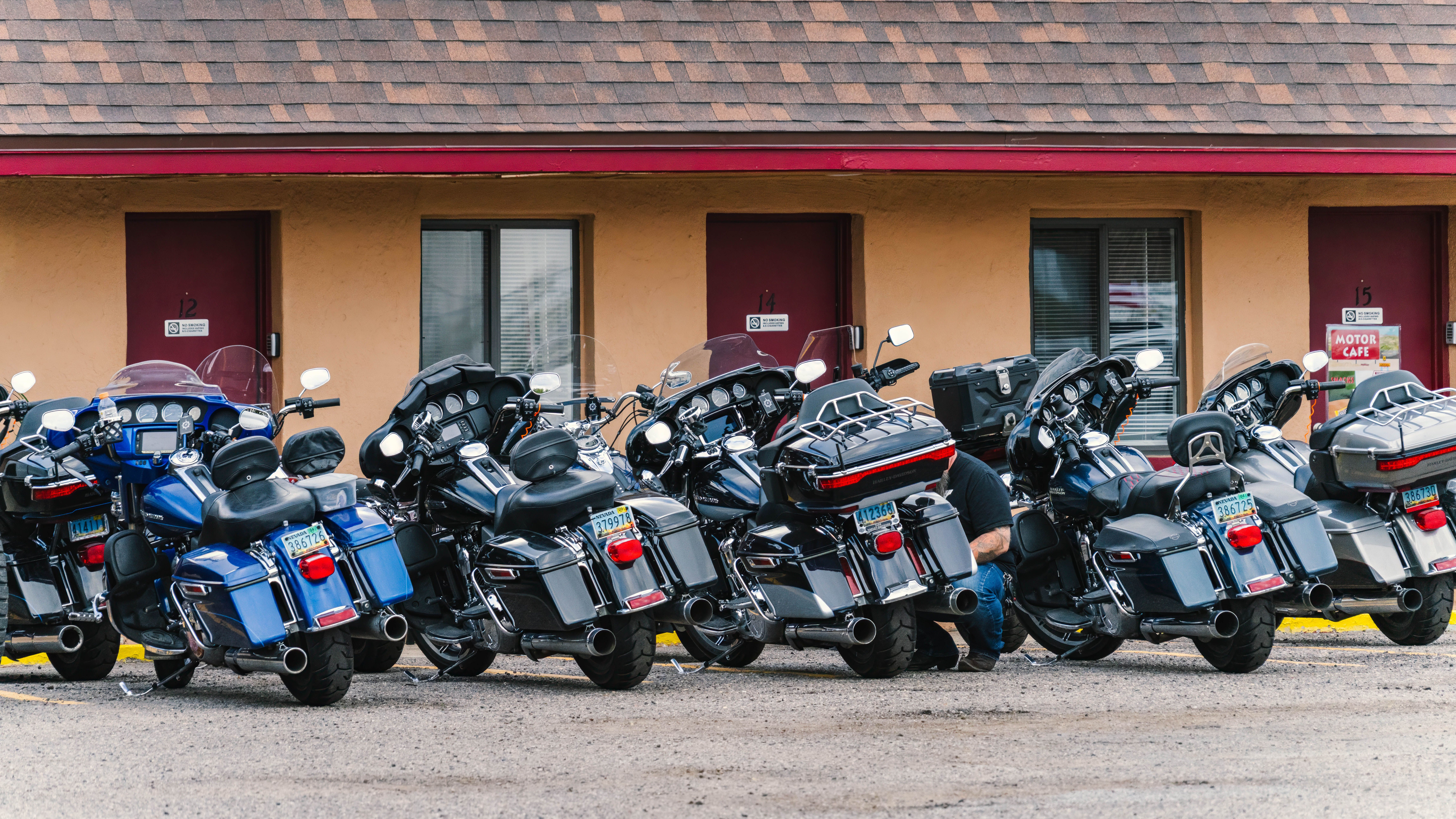
Once your foundation is set, it is time to build the engine of your business.
Choosing the Right Motorcycles and Scooters
Not all bikes are rental-friendly.
You want models that are reliable, fuel-efficient, and easy to maintain. Popular choices tend to be mid-range motorcycles and standard scooters.
Luxury bikes can attract premium customers, but they also come with higher risk.
Maintenance Systems That Protect Your Profits
Here is a hard truth. Maintenance is not a cost. It is an investment.
Regular servicing prevents breakdowns, reduces long-term expenses, and keeps customers happy.
Smart operators schedule preventive maintenance instead of reacting to problems.
Storage, Logistics, and Helmet Management
Where you store your fleet matters.
You need secure parking that is easily accessible to customers. Cleanliness is also crucial, especially when it comes to helmets and gear.
Managing helmet sizes and sanitation may sound minor, but it significantly impacts customer experience.
Pricing Strategies That Maximize Revenue
Pricing is where many rental businesses either thrive or fail.
How To Price Motorcycle Rentals Competitively
Start by researching your local market.
Look at what competitors charge and position yourself accordingly. Pricing too low eats into your margins. Pricing too high reduces bookings.
Dynamic pricing can help. Increase rates during peak demand and offer discounts during slow periods.
Hourly vs Daily vs Long-Term Pricing Models
Different customers want different options.
Tourists often prefer daily rentals, while locals might opt for hourly or weekly plans.
Offering multiple pricing models increases your chances of capturing diverse customer segments.
Upselling Add-Ons and Increasing Average Order Value
Your revenue should not rely solely on rentals.
Offer add-ons like insurance upgrades, riding gear, or curated tour experiences.
These extras can significantly boost your average booking value without increasing operational costs.
Choosing the Right Location for Maximum Bookings
Even the best business model can fail in the wrong location.
Tourist Hotspots and High-Demand Areas
Tourist-heavy areas are goldmines.
Think airports, hotels, and scenic routes. These locations naturally attract people looking for short-term mobility solutions.
Urban Scooter Rental Placement Strategy
In cities, placement is everything.
Position your scooters near business districts, universities, and public transport hubs.
The goal is convenience. The easier it is to access your vehicles, the more bookings you will get.
Seasonal Demand and Expansion Planning
Demand will fluctuate.
Smart businesses plan for peak seasons and develop strategies for off-season survival, such as discounted rates or local promotions.
Scaling to multiple locations can also stabilize revenue over time.
Why Digital Booking and Automation Are Essential Today
If you are still thinking of managing bookings manually, it is time to rethink.
Challenges of Manual Rental Operations
Manual systems lead to errors.
Double bookings, missed payments, and poor customer experiences are common issues.
As your business grows, these problems multiply.
Features to Look for in Electric Scooter Rental Software
Modern rental businesses rely on software.
You need online booking, real-time availability, secure payments, and customer verification.
Mobile-friendly platforms are especially important since most users will book on their phones.
How Sharefox Simplifies Motorcycle and Scooter Rentals
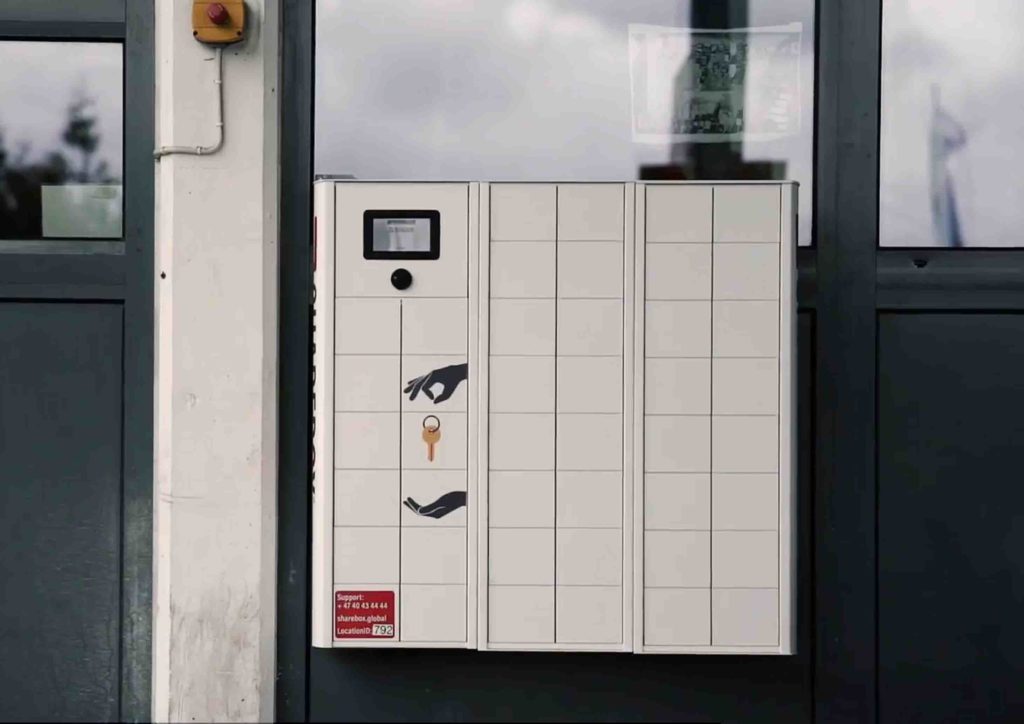
Instead of juggling spreadsheets and calls, you get a centralized system that handles bookings, payments, and fleet management. Customers can book online, sign agreements digitally, and pick up vehicles with minimal friction.
If you want to streamline operations from day one, explore a dedicated solution like Sharefox’s motorcycle rental software:
→ https://sharefox.co/rental-software/motorcycle/
For businesses focusing on urban mobility, their scooter rental software is designed specifically for high-volume, short-term bookings:
→ https://sharefox.co/rental-software/scooters/
And if you plan to expand beyond two-wheelers, a broader vehicle rental software solution can help you scale seamlessly:
→ https://sharefox.co/rental-software/vehicle/
Marketing Your Motorcycle Rental Business for Fast Growth
You can have the best fleet in the world, but without visibility, it will sit idle.
SEO and Local Search Optimization
Start with local search.
Create a Google Business profile and optimize for location-based keywords. This helps you appear when someone searches for rentals nearby.
Leveraging Tourism Platforms and Partnerships
Partnerships can drive consistent traffic.
Hotels, travel agencies, and tour operators can become valuable referral sources.
A simple conversation with a hotel manager can turn into a steady stream of customers.
Social Media and Experience-Based Marketing
Motorcycle rentals are inherently visual.
Share photos, videos, and customer experiences. Encourage user-generated content and collaborate with influencers.
People do not just rent bikes. They buy the experience.
Common Mistakes That Kill Rental Startups Early
Learning from others’ mistakes can save you thousands.
Ignoring Insurance and Legal Compliance
Skipping proper insurance or licenses might seem like a shortcut, but it often leads to costly consequences.
Poor Fleet Selection and Maintenance
Choosing the wrong bikes or neglecting maintenance can damage your reputation quickly.
Underpricing and Low Profit Margins
Competing solely on price is a race to the bottom.
Not Using Rental Software or Automation
Manual processes limit your ability to scale and create unnecessary friction.
Build a Profitable Motorcycle Rental Business From Day One

Starting a motorcycle rental business is not just about bikes. It is about understanding demand, choosing the right model, and building systems that scale.
From selecting your niche to pricing your rentals and automating operations, every decision shapes your profitability.
The opportunity is real. The demand is growing. And with the right approach, this can become a highly rewarding business.
If you are serious about building a modern rental operation, investing in the right tools from the beginning will make all the difference. A platform like Sharefox allows you to automate bookings, manage your fleet, and scale without operational chaos. You can explore how our Link opens in a new tabmotorcycle rental software works here.

 All in one platform