 Skip to main content
How to Choose the Best Trailers for Your Rental Business?
Running a trailer rental business can be highly profitable—if you choose the right trailers for your fleet. The right selection not only affects your rental rates and utilization but also defines your customer satisfaction and long-term profitability.
This guide will help you make smart, data-driven choices when selecting the best trailers for your rental business, balancing demand, durability, and operational efficiency.
Why Choosing the Right Trailer Matters
Selecting the right trailer is crucial because it directly impacts your rental income and customer experience. A well-matched trailer type ensures steady bookings, minimal downtime, and lower maintenance costs. Poor choices, on the other hand, can lead to underutilized inventory, repair expenses, and frustrated clients.
In the competitive rental industry, the most successful companies align their trailer offerings with customer needs, local demand, and seasonal trends. By doing so, they achieve higher rental rates and improved return on investment.
Know Your Market Before You Buy
Before investing in new trailers, it’s essential to understand your local market. Start by researching the industries and customers that dominate your area—such as construction, landscaping, or logistics.
Next, conduct a quick competitor analysis. What trailer types do other rental businesses in your region offer? Are there gaps you can fill—like refrigerated or specialty trailers for niche customers?
Finally, define your customer personas. Contractors may prefer dump and flatbed trailers, while small business owners and movers might choose enclosed or utility trailers. Understanding your target market ensures that every purchase you make contributes to higher utilization and profitability.
Common Trailer Types and Primary Use Cases
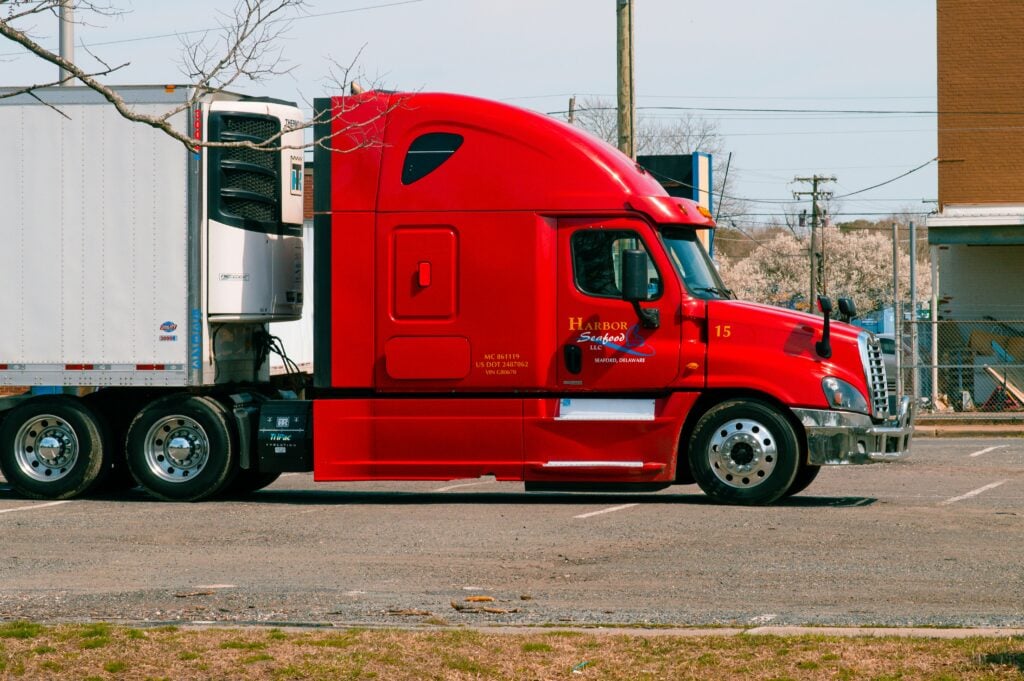
Red semi-truck refrigerated trailer
There are many trailer types available for rental businesses, each designed for specific use cases and customer segments.
Utility Trailers
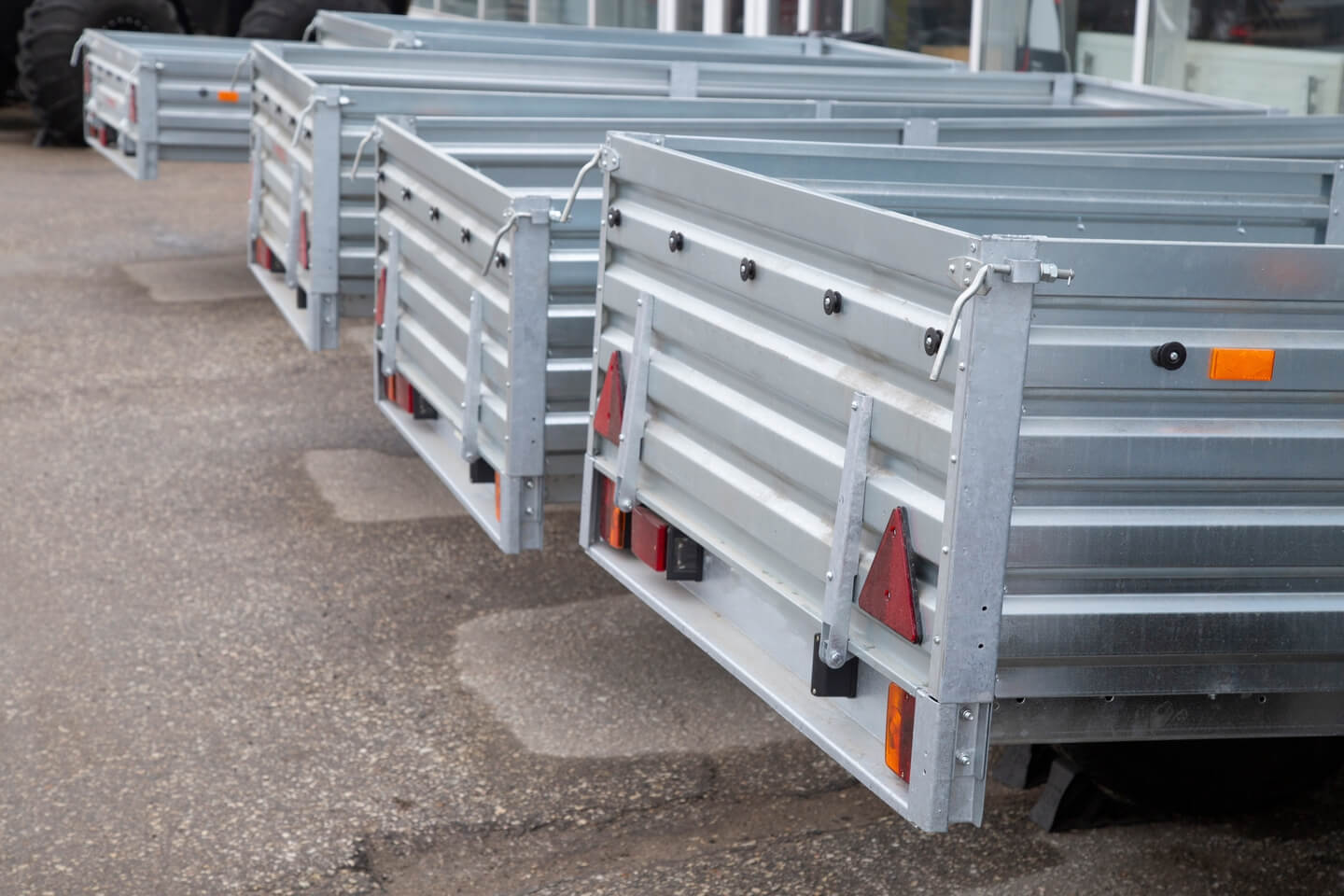
Utility trailers are ideal for general-purpose rentals. They are versatile, easy to maintain, and serve a wide range of customers, from homeowners to small contractors.
Enclosed Trailers
These trailers provide protection from the elements and are preferred for transporting valuable or sensitive cargo. They command higher rental rates due to their secure, weatherproof design.
Dump Trailers
Popular among landscapers and construction professionals, dump trailers make hauling and unloading materials efficient. Their high demand and short rental cycles make them a profitable addition to any fleet.
Flatbed Trailers
Flatbeds are perfect for heavy machinery, oversized cargo, and equipment transport. They require durable builds and careful maintenance but offer consistent returns when managed properly.
Car Haulers
These trailers cater to auto dealers, repair shops, and event logistics companies. With the rise in car restoration and resale, demand for car hauler rentals is increasing.
Refrigerated and Specialty Trailers
Although niche, refrigerated and specialty trailers can yield high margins in industries like catering, pharmaceuticals, and event logistics. Their premium pricing offsets higher acquisition costs.
Key Factors to Evaluate When Selecting Trailers
When choosing which trailers to add to your rental fleet, consider the following essential factors:
Payload Capacity And GVWR
Always match your trailer’s capacity to customer requirements. Overloading can damage equipment and reduce lifespan, while underutilization lowers profit potential.
Durability and Build Quality
Select trailers with strong frames, reliable axles, and robust materials. Stainless steel and reinforced aluminum models typically offer the best longevity.
Maintenance Requirements and Parts Availability
Trailers with standardized parts make maintenance easier and cheaper. Regular inspections for tires, brakes, and hydraulics minimize costly downtime.
Versatility and Utilization Potential
Opt for trailers that serve multiple purposes. A versatile trailer increases booking frequency and reduces idle time.
Insurance, Licensing, and Compliance
Ensure compliance with local laws for commercial trailers, especially heavy-duty or specialty models. Proper licensing protects both your business and your clients.
Resale Value and Depreciation
Select brands and models known for their resale stability. A good resale value cushions depreciation and supports business growth.
Profitability and Pricing Strategy
Your pricing strategy can make or break your rental profitability. Start by estimating each trailer’s utilization rate—how often it will be rented out—and multiply it by your daily rental price. Then, subtract costs like maintenance, insurance, and depreciation to find your net profit per trailer.
Dump and enclosed trailers often have the highest returns due to strong demand and higher daily rates. Adjust prices seasonally, offering slight discounts during off-peak months to maintain utilization.
For long-term profitability, track metrics like average rental duration, repeat customers, and maintenance costs to refine your pricing model.
Building a Balanced Fleet Mix
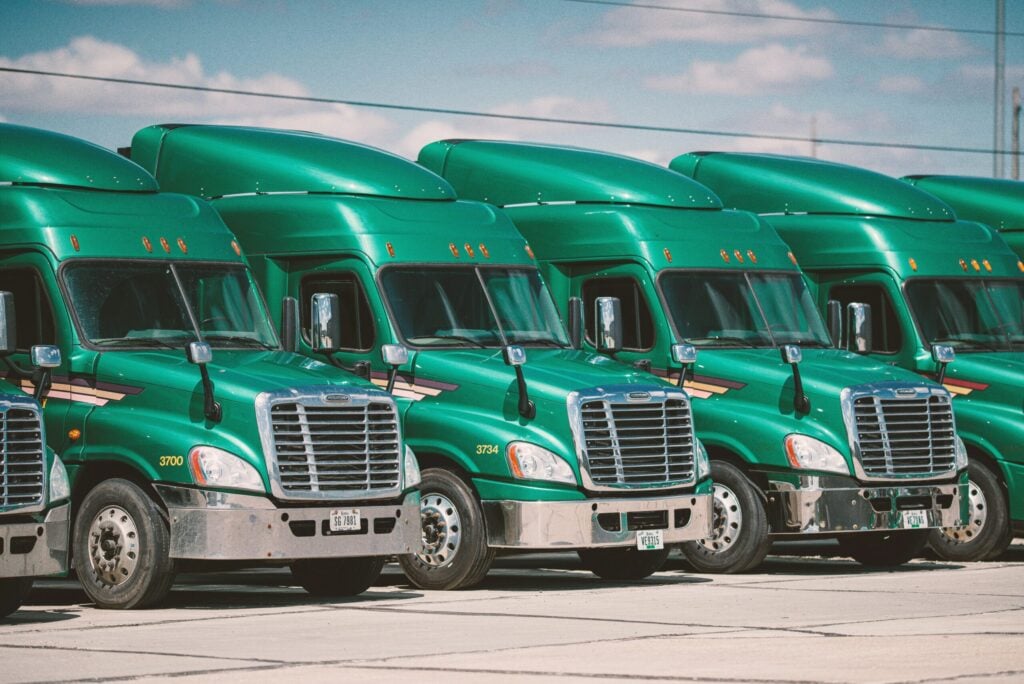
Row of green semi-trucks parked fleet
A successful trailer rental business typically maintains a balanced fleet that caters to diverse needs. For example, a 10-trailer starter fleet might include:
- Four utility trailers for general rentals
- Two enclosed trailers for high-value cargo
- Two dump trailers for construction and landscaping
- One car hauler for niche customers
- One specialty or refrigerated trailer for premium clients
This mix ensures consistent demand, supports higher revenue, and provides flexibility to adapt to changing market conditions. As your business grows, track which trailers are booked most often and reinvest profits into expanding those categories.
Operational Considerations That Affect Trailer Choice
Operational efficiency determines how profitable your fleet remains. Develop a strict maintenance schedule, inspect trailers before and after each rental, and keep detailed service logs.
Well-designed rental agreements protect your business from liability and outline maintenance responsibilities clearly. Efficient loading and unloading systems—such as ramps, winches, or tie-down accessories—save time and reduce wear and tear.
To streamline daily operations, consider using Sharefox’s Rental Management Software to handle bookings, track inventory, and automate reminders for maintenance and inspections.
Risk Mitigation and Building Trust
Customers value safety and transparency. Provide clear instructions on trailer usage, regular maintenance checks, and visible inspection certifications.
Display your insurance coverage and customer testimonials prominently to build trust. Offering helpful resources—such as a maintenance checklist or a “how-to” guide—enhances your authority and supports Google’s E-E-A-T principles.
Create a Successful Trailer Rental Business
Ready to make data-backed decisions for your rental fleet?
Book a Demo with Sharefox today to explore how rental management software can streamline your trailer rental operations, increase utilization, and boost profitability.
Short FAQ
Here are the answers to some of the frequently asked questions.
What Trailer Type Is Most Versatile?
Utility trailers are the most versatile, serving homeowners, landscapers, and small business owners alike.
How Do I Calculate Rental Price Per Day?
Factor in trailer cost, maintenance, insurance, and desired profit margin, then compare with local market rates.
Do I Need Commercial Insurance For Rental Trailers?
Yes. Comprehensive commercial insurance protects your assets and customers in case of damage or accidents.
How Many Trailers Should A New Rental Company Start With?
Start with 5–10 trailers covering multiple categories, then scale based on demand and profitability.
Choosing the best trailers for your rental business requires understanding your market, maintaining a balanced fleet, and focusing on long-term efficiency. By starting small, tracking utilization, and reinvesting wisely, you can build a sustainable and profitable trailer rental operation.
Take the next step toward growth—Book a Demo today and discover how Sharefox can help you manage, scale, and optimize your trailer rental business for lasting success.
More Articles
-

How to grow and scale your vehicle and trailer rental business
Navigating the growth path in the vehicle and trailer rental industry can be complex. But with strategic planning, automation, and the right tools you can effectively scale your operations. Let’s dive in.
-
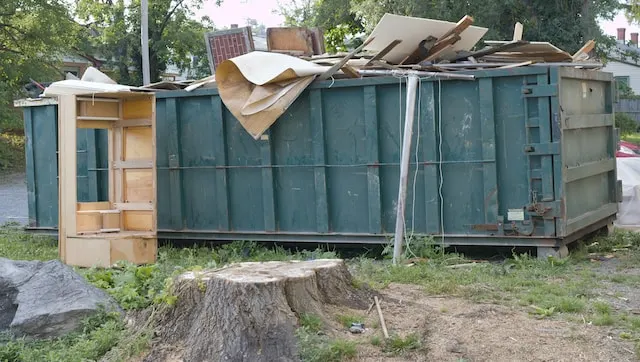
How Renting Dump Trailers Contributes to Sustainable Waste Management.
Renting dump trailers supports sustainable waste management by reducing landfill waste, preventing illegal dumping, and promoting recycling and resource recovery, enhancing both environmental and business benefits.
-

-

Renting Dump Trailers: What You Need to Know
Maximize your rented dump trailer’s use by selecting the right size, understanding load capacity, and ensuring proper maintenance. Follow safety guidelines for efficient, cost-effective project completion.
-
-
 All in one platform
-
No code required
-
Easy and quick setup
Build your complete rental business now
Questions? Get in touch with us or book a demo