Skip to main content


Deciding whether to rent out trailers, sell them outright, or run a hybrid of both is one of the first strategic forks in the road for anyone building a trailer business. Each path has a different cost structure, a different risk profile, and a different day-to-day workload — and the “right” answer depends heavily on your capital, your market, and how hands-on you want to be.
This guide breaks down the real advantages and disadvantages of renting versus selling trailers, walks through how to get a trailer rental business off the ground, and shows how the right trailer rental software can offset some of the biggest operational headaches on either side of the equation.
Understanding the Trailer Rental Business
Overview of the Trailer Rental Industry
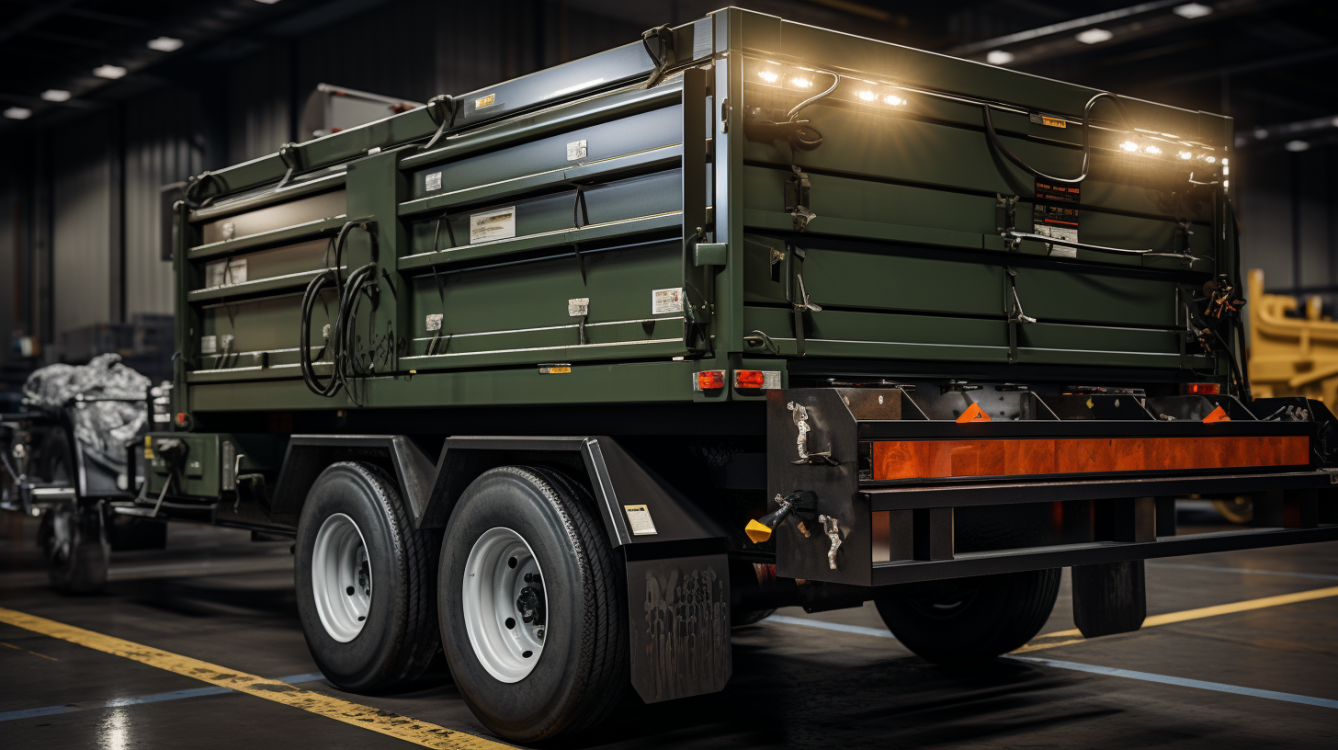
Trailer rental serves a broad mix of customers: homeowners hauling furniture, contractors moving debris, landscapers, and event organizers who all need equipment for a day, a week, or a season rather than forever. That short-term, high-frequency demand is what makes trailers such an attractive rental category compared with big-ticket equipment that turns over slowly.
Modern rental operators increasingly run this business on digital rental commerce platforms rather than paper contracts and phone bookings. Sharefox, for example, is built to handle both B2C walk-in renters and B2B fleet accounts from a single system. Core capabilities that matter specifically for a trailer operation include:
| Feature | Why it matters for trailer rental |
|---|---|
| Self-service booking | Customers reserve, pay, and pick up a trailer without a staff member on-site, which is critical for after-hours or weekend demand. |
| Flexible pricing models | Daily, weekly, and seasonal rates can be adjusted automatically based on demand. |
| Ecosystem integrations | Accounting, payment processing, and ID verification connect directly to the booking flow, reducing manual admin. |
Types of Trailers Available for Rent
Building the right mix of inventory starts with understanding what each trailer type is actually used for:
For a deeper look at which units perform best in real rental fleets, see this breakdown of the most rented trailer types and this guide to choosing the best trailers for your rental business.
Starting a Trailer Rental Business
Steps to Get Started
Start with market research: how many rental operators already serve your area, what trailer types are underrepresented locally, and what renters are actually willing to pay. That research should feed directly into your inventory decisions — utility, dump, cargo, or flatbed — and your pricing.
A more detailed walkthrough of this process is available in our guide on how to start a trailer rental business.
Register Your Business and Legal Considerations
Choose a business structure (LLC or sole proprietorship are the most common for small rental operations), secure the licenses and permits your state or municipality requires, and put a solid rental agreement in place before your first trailer leaves the yard. Liability coverage, insurance minimums, and local towing/road regulations all need to be confirmed before you open for business — this is not an area where “figure it out later” works well.
Creating a Business Plan for Your Trailer Rentals
A written business plan forces you to commit numbers to your assumptions: target market, trailer mix, pricing, marketing channels, startup costs, and a realistic revenue timeline. Our step-by-step guide to building a rental business plan covers the sections lenders and partners will actually want to see.
Pros of Renting Trailers
Flexibility and Low Startup Costs
Renting out trailers lets you enter the market without the capital outlay of buying a full inventory outright, and you can flex your fleet size up or down with seasonal demand rather than sitting on idle assets year-round.
Appealing to a Diverse Customer Base
A single trailer fleet can serve DIY movers, landscapers, and construction crews at the same time, which smooths out some of the revenue volatility that comes from depending on one type of customer.
Potential for High Profit Margins
Because a well-maintained trailer can be rented out repeatedly over its lifespan, margins improve the longer you keep utilization high. Effective pricing strategy — daily vs. weekly rates, damage waivers, add-on services — is usually the single biggest lever for improving profitability here.
Cons of Renting Trailers
Maintenance and Damage Risks
Every renter puts different wear on a trailer — tires, hitches, ramps, and lighting all take repeated abuse. Skipping inspection routines is one of the most common ways rental operators quietly erode their margins.
Seasonal Fluctuations in Demand
Trailer rental demand is rarely flat across the year. Spring and summer months typically bring a spike in moving, landscaping, and construction projects, while winter tends to be noticeably quieter. A simplified view of that pattern looks like this:
Operators who plan staffing and inventory around this curve — rather than reacting to it — tend to weather the slow months far better. Our guide on overcoming seasonal fluctuations in rental demand walks through specific tactics for this.
Competition in the Trailer Rental Market
From national chains to independent local yards, trailer rental is a crowded field. Differentiation usually comes down to pricing, service quality, or a niche inventory focus rather than trying to out-compete everyone on every front.
Pros of Selling Trailers
One-Time Profit vs. Recurring Revenue
Selling converts inventory into cash in a single transaction, which appeals to operators who want capital to reinvest quickly rather than waiting on smaller, recurring rental payments to add up.
Less Management Intensity Compared to Rentals
Once a unit is sold, ongoing maintenance and scheduling responsibility shifts to the new owner. That frees up staff time to focus on sales and inventory sourcing rather than day-to-day fleet upkeep.
Building Relationships with Trailer Owners
A sale often involves more hands-on customer service — financing questions, customization, delivery — than a typical short-term rental transaction, which can create stronger repeat-business and referral relationships over time.
Cons of Selling Trailers
Higher Initial Investment Required
Building a sales-ready inventory across utility, dump, cargo, and flatbed categories ties up significant capital before a single unit sells, which is a real barrier for smaller operators.
Inventory Management Challenges
Tracking stock levels, unit condition, and model variation across a sales inventory is a different discipline than managing rental turnover, and it gets harder to control as the inventory grows. Our equipment rental inventory management guide is written for rental fleets specifically, but the visibility principles apply directly to sales inventory as well.
Market Saturation and Selling Difficulties
As more sellers compete for the same buyers, standing out requires sharper pricing and marketing, and margins tend to compress in saturated regional markets.
Renting vs. Selling: A Side-by-Side Comparison
| Factor | Renting Trailers | Selling Trailers |
|---|---|---|
| Upfront investment | Lower — inventory can scale gradually | Higher — full inventory needed upfront |
| Revenue pattern | Recurring, smaller payments over time | One-time, larger payment per unit |
| Ongoing management | High — booking, maintenance, inspection | Lower after the sale is complete |
| Seasonality exposure | High — demand swings by month | Lower — a sale is a sale year-round |
| Customer relationship | Often transactional, repeat bookings | Deeper, occasionally long-term |
| Best suited for | Operators wanting steady cash flow and asset control | Operators wanting faster capital turnover |
“The businesses that do best in this space aren’t the ones that pick rent or sell and never revisit the decision — they’re the ones that keep checking utilization data and adjust their mix as demand changes.” — a common observation shared by rental fleet operators managing hybrid inventories
Marketing Strategies for Your Trailer Rental Business
Effective Online Marketing Techniques
Letting customers book and pay online — instead of forcing every reservation through a phone call — removes friction at the exact moment a renter is ready to commit. Platforms built for self-service rentals exist specifically to handle this without adding staff hours.
Utilizing Social Media to Attract Customers
Regularly showing your fleet, sharing customer projects, and posting availability updates on channels like Instagram keeps your business visible to renters who are further from a purchase decision but will remember you when the need comes up.
Networking with Local Businesses and Event Planners
Direct relationships with construction firms, landscapers, and event planners tend to produce more predictable, recurring bookings than broad advertising alone. Case studies like Trailercenter’s growth story and Hästadklev Trailer Rental show what this looks like in practice for real rental operators.
Conclusion: Making the Right Choice for Your Business
Assessing Your Goals and Resources
Rental operators typically want one integrated system for booking, inventory, and invoicing to cut down on manual admin. Mobility managers prioritize compliance and customer experience. Self-storage or property managers lean toward automation and recurring revenue. Your business plan should make clear which of these priorities matters most to you before you commit to a rent-only, sell-only, or hybrid model.
Finding the Right Balance Between Renting and Selling
Many operators don’t have to choose exclusively. Hybrid models — sometimes supported through platforms offering MultiCommerce flexibility across renting, selling, and subscriptions — let a single inventory generate both recurring rental income and occasional sales revenue, adapting as market conditions shift.
Future Trends in the Trailer Rental Industry
Expect continued movement toward self-service booking, predictive maintenance scheduling, and data-driven pricing as rental businesses look for ways to run leaner without sacrificing customer experience.



 All in one platform