 Skip to main content
The car rental industry is going through a quiet but powerful transformation. A decade ago, renting a car often meant standing in a long queue at a rental desk, filling out paperwork, and waiting for a staff member to hand over the keys. Today, customers expect something very different. They want speed, convenience, and the ability to do everything from their phone.
This shift has accelerated the rise of car rental self service, a model that allows customers to book, unlock, use, and return vehicles without needing direct interaction with staff. From airport rentals to urban mobility fleets, digital platforms are helping rental companies provide seamless, contactless experiences while improving operational efficiency.
Automation and digital rental systems now make it possible for companies to run fleets more efficiently, offer round-the-clock availability, and scale operations without increasing staffing costs. In many ways, self-service rentals represent the next evolution of the mobility economy.
Understanding Car Rental Self Service and Why It Is Growing
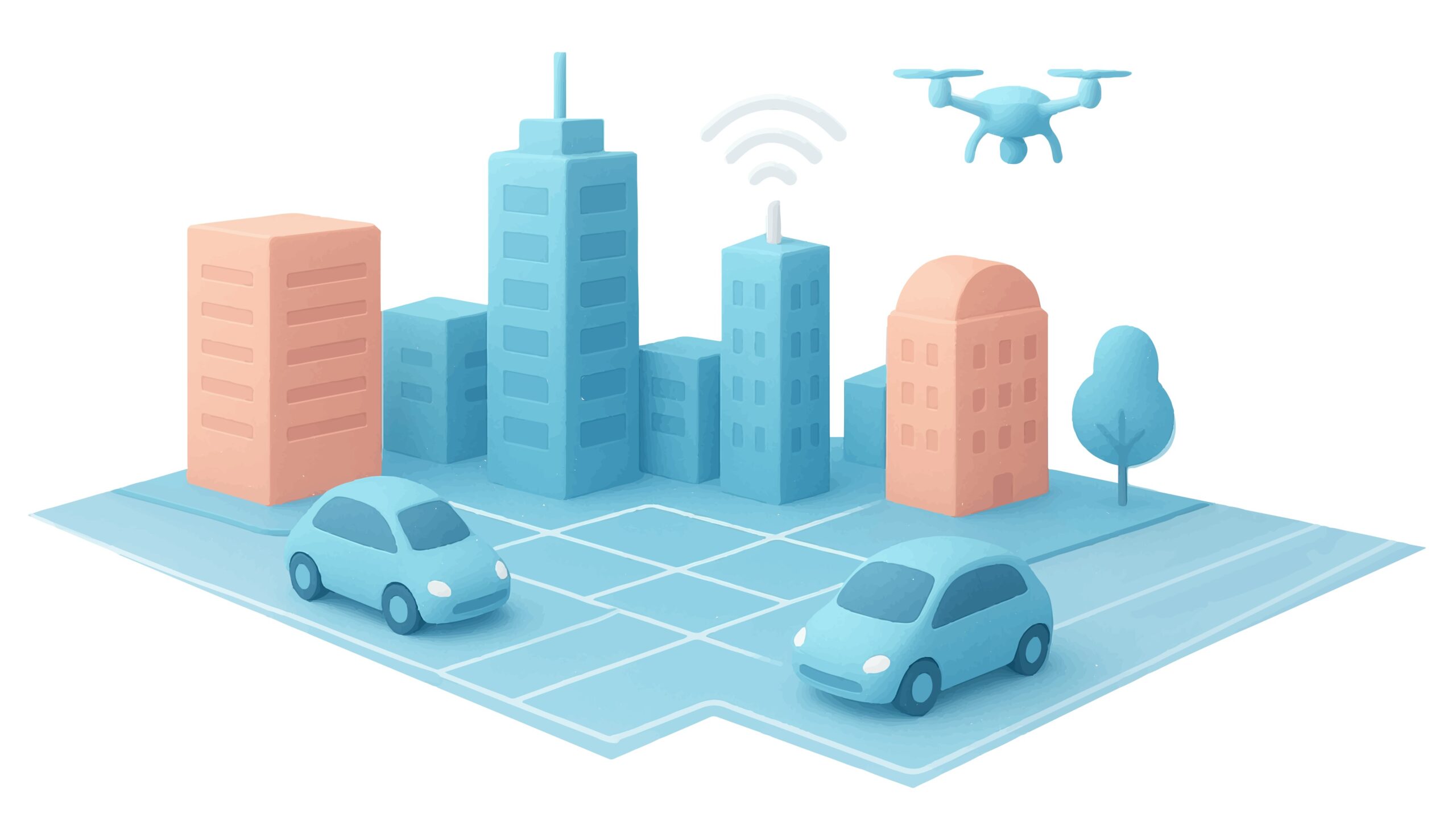
Isometric 3D illustration of a blue and orange smart city

Woman leaning against a white SUV in a desert landscape
Before diving into automation and digital tools, it is important to understand what self-service car rental actually means and why the concept has gained momentum across the mobility industry.
What Car Rental Self Service Means
Car rental self service refers to a system where customers manage the entire rental process independently using digital tools.
Instead of visiting a physical rental desk, customers can complete everything online or through a mobile application. The typical process includes:
- Selecting a vehicle online
- Verifying identity digitally
- Completing payment
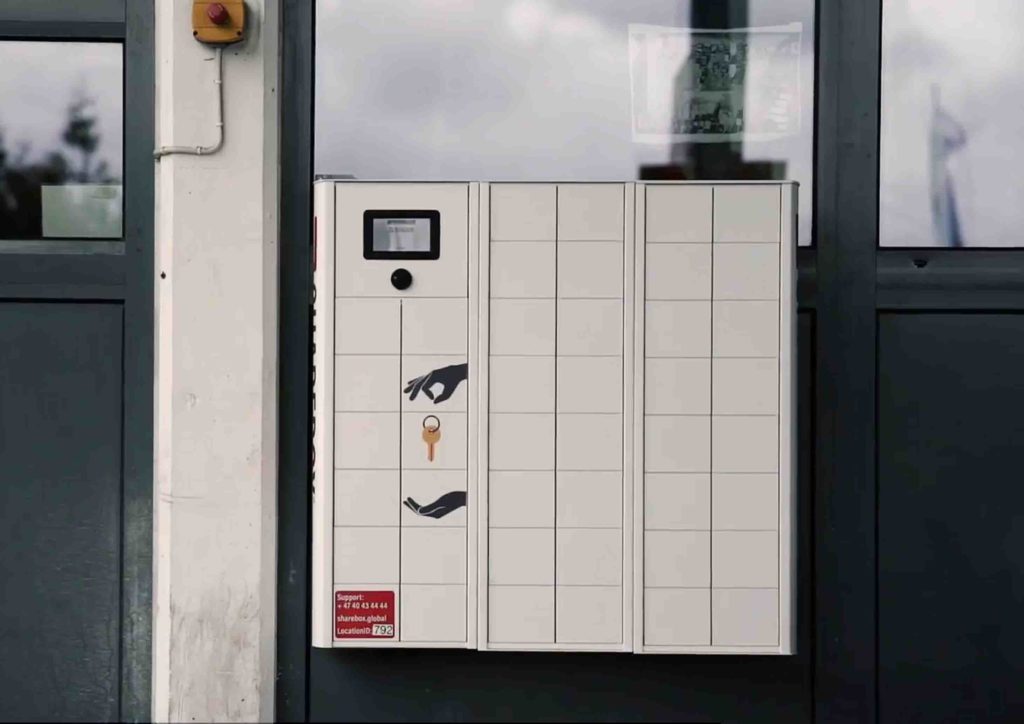
- Picking up the vehicle through a smart lock, key box, or digital key
- Returning the vehicle without staff involvement
In other words, the entire experience becomes automated.
Think of it like ordering food through an app instead of calling a restaurant. The process is faster, smoother, and available anytime. For rental companies, it also removes many of the operational bottlenecks that come with manual processes.
How Self-Service Car Rental Works Step By Step
The process behind a self-service rental system is surprisingly simple once the technology is in place.
A typical workflow looks like this:
- First, the customer visits an online rental platform and selects a vehicle based on availability, location, and rental duration. The reservation and payment are completed digitally.
- Next comes identity verification. Many platforms now allow customers to upload documents and verify themselves automatically.
- Once verified, the customer receives instructions to access the vehicle. This could involve unlocking a smart key box or using a digital key through a mobile app.
- After the rental period ends, the customer returns the vehicle to the designated location and completes the return through the platform.
Behind the scenes, cloud software tracks vehicle availability, updates the system in real time, and manages payments and contracts automatically.
Why Customers Prefer Self Service Rentals
The growing popularity of self-service rentals is largely driven by changing consumer expectations.
Modern customers prefer services that are instant, flexible, and available whenever they need them. Waiting at a rental counter after a long flight is no longer acceptable for many travelers.
Self-service rentals address several key demands:
- Access to vehicles 24 hours a day
- Faster pickup without queues
- Contactless and convenient transactions
- Greater flexibility for short-term or last-minute rentals
In a world where people can order groceries, taxis, and meals from their phones, it makes sense that car rentals are moving in the same direction.
The Role of Automation in Modern Car Rental Businesses
While the customer experience is the visible part of self-service rentals, automation is what makes the entire system possible.
Operational Challenges in Traditional Car Rental Models
Traditional car rental businesses rely heavily on manual processes.
Staff often handle reservations, customer verification, paperwork, vehicle assignments, and billing. These processes can create several operational challenges:
- Manual bookings can lead to double reservations
- Customers may experience long wait times at pickup counters
- Staffing costs increase as businesses grow
- Limited office hours restrict rental availability
For many small and medium-sized rental companies, these challenges make scaling the business difficult.
How Automation Solves These Problems
Automation removes many of these bottlenecks by digitizing key workflows.
Reservation systems automatically update vehicle availability. Payments and billing are processed instantly through integrated payment gateways. Customer communication such as booking confirmations and reminders can be sent automatically.
Maintenance scheduling and fleet tracking can also be managed digitally, ensuring vehicles remain available and in good condition.
The result is a rental operation that runs smoothly with minimal manual intervention.
Key Technologies Powering Self Service Car Rentals
Several technologies work together to enable self-service car rentals.
Cloud-based rental management software acts as the central system, managing bookings, fleet availability, and customer data.
- Mobile applications allow customers to reserve and access vehicles easily.
- IoT vehicle tracking helps operators monitor fleet location and usage in real time.
- Smart locks and digital keys allow customers to unlock vehicles without physical interaction.
- Automated payment gateways and digital contracts complete the process securely.
Together, these technologies create a fully digital rental ecosystem.
Key Benefits of Car Rental Self Service for Rental Companies
For rental operators, the shift toward automation is not just about convenience. It also delivers measurable business benefits.
Increased Operational Efficiency
Automation eliminates repetitive manual tasks such as processing bookings or updating availability. Staff can focus on higher-value activities such as customer service and fleet management instead of paperwork.
Reduced Operational Costs
Self-service systems reduce the need for large front-desk teams. A single digital platform can manage reservations, payments, and contracts automatically, helping businesses reduce labor costs while maintaining service quality.
Higher Fleet Utilization
Real-time inventory tracking allows rental companies to maximize vehicle usage. When availability updates automatically, businesses can avoid idle vehicles and increase revenue from existing fleet assets.
Better Customer Experience and Faster Service
Customers appreciate the simplicity of digital booking and pickup. Instead of waiting in line, they can complete the entire process in minutes from their phone. This improved experience often leads to stronger customer satisfaction and repeat bookings.
24/7 Rental Availability
One of the biggest advantages of self-service rentals is round-the-clock availability. Customers can book and access vehicles at any time, allowing rental companies to generate revenue even outside traditional business hours.
Essential Features of Self Service Car Rental Software
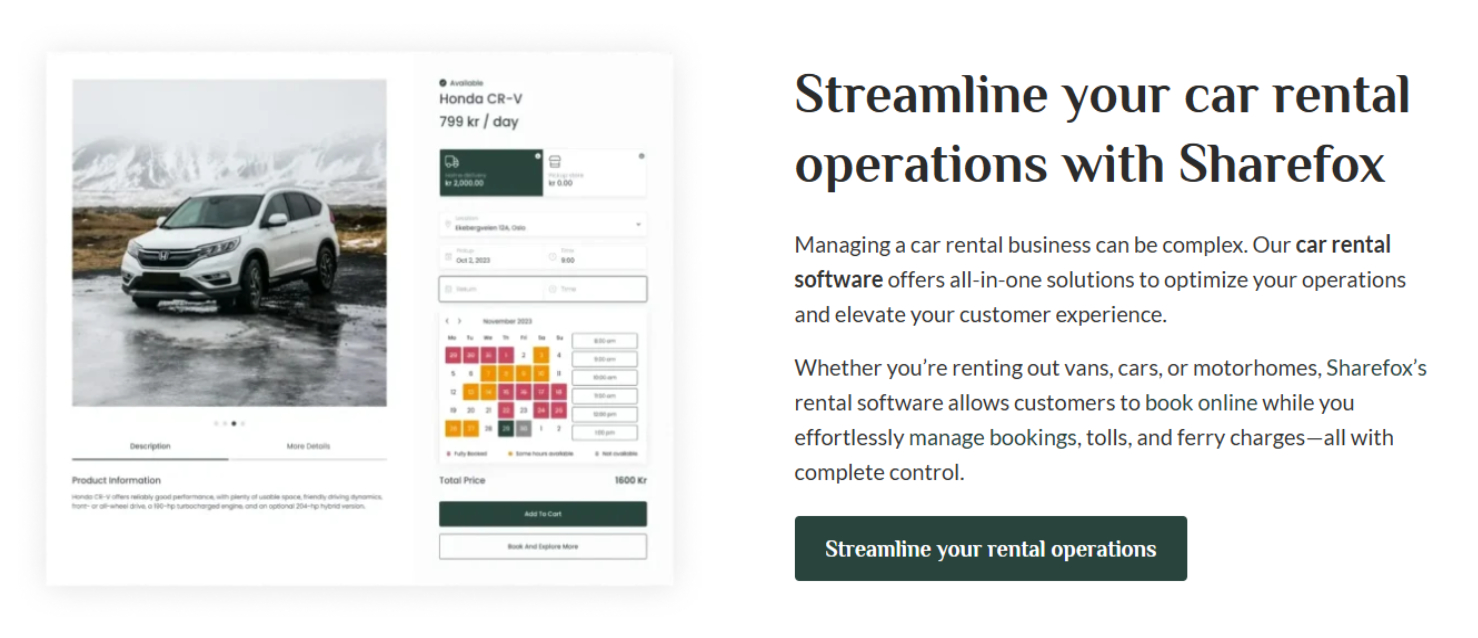
Choosing the right technology platform is critical for implementing self-service rentals successfully. Modern rental software typically includes several key capabilities.
Online Booking and Reservation Management
An online reservation system allows customers to browse available vehicles and complete bookings instantly. Platforms such as our Rental Booking Software enable rental businesses to automate booking management and prevent scheduling conflicts.
Inventory and Fleet Management
Tracking vehicle availability, location, and maintenance status is essential for rental operations. Solutions like Sharefox’s Rental Management System allow companies to manage fleets efficiently and ensure vehicles remain ready for rental.
Digital Contracts and Secure Payments
Digital agreements simplify the rental process for both businesses and customers. Integrated payment systems allow businesses to collect deposits, process payments, and manage billing automatically.
Online Rental Store for Vehicle Reservations
A digital storefront allows rental companies to offer vehicles online just like an ecommerce store. Our Online Rental Store makes it possible for customers to browse, book, and pay for rentals directly through a website.
Vehicle Rental Software Built for Fleet Businesses
Industry-specific solutions are designed to handle the unique needs of vehicle rental operations.
Examples include our specialized platforms such as:
https://sharefox.co/rental-software/car/
https://sharefox.co/rental-software/vehicle/
These systems combine booking, inventory management, and automation into a single platform.
How Digitalization Is Transforming the Car Rental Industry
Digital transformation is reshaping the entire mobility landscape, and car rentals are no exception.
The Shift Toward Fully Digital Rental Experiences
Customers increasingly expect mobile-first services. From booking flights to ordering taxis, nearly every aspect of travel is now digital. Car rentals are evolving to meet these expectations with contactless booking and vehicle access.
Data Driven Fleet Management and Analytics
Digital platforms allow rental companies to collect and analyze operational data. This data can help businesses improve fleet utilization, adjust pricing strategies based on demand, and forecast future rental trends.
Integration With Other Business Systems
Modern rental platforms often integrate with other tools such as CRM systems, accounting software, marketing platforms, and payment gateways.
This integration creates a connected ecosystem that allows rental businesses to operate more efficiently and scale faster.
How to Implement Car Rental Self Service in Your Business

White Honda Civic Type R in a city parking lot
For rental companies considering digital transformation, the transition to self-service can be approached step by step.
Evaluate Your Current Rental Workflow
Start by analyzing how reservations, payments, and fleet management are currently handled. Identifying inefficiencies in these processes helps determine where automation can deliver the greatest value.
Choose a Scalable Rental Software Platform
Selecting the right technology platform is critical. Cloud-based rental systems allow businesses to automate operations while remaining flexible as the fleet grows.
Automate Key Rental Processes
Key workflows that benefit from automation include:
- reservations
- payment processing
- digital contracts
- fleet tracking and inventory management
Automating these processes reduces manual workload and improves accuracy.
Train Your Team and Launch Your Digital Rental Platform
Even the best technology requires proper implementation. Training staff to use the system effectively ensures a smooth transition. Once launched, customers can begin experiencing the convenience of digital rentals immediately.
Frequently Asked Questions About Car Rental Self Service
How Does Self Service Car Rental Work
Self-service car rental allows customers to book vehicles online, verify their identity digitally, and access the car using smart locks or digital keys. The entire process can be completed without visiting a rental desk.
Is Self Service Car Rental Safe For Customers
Yes. Modern platforms use secure identity verification, encrypted payments, and vehicle tracking technology to ensure safe rentals and protect both customers and operators.
What Software Is Needed To Run A Self Service Car Rental Business
Rental businesses typically use fleet management software that includes booking management, inventory tracking, digital contracts, and payment processing in one system.
Can Small Rental Companies Offer Self Service Rentals
Yes. Cloud-based rental software makes it possible for small and medium-sized rental companies to implement self-service systems without investing in complex infrastructure.
The Future of Self Service Car Rental and Digital Mobility
The mobility industry continues to evolve rapidly, and self-service rentals are expected to play a major role in its future.
Growth of Contactless and on Demand Mobility
Car sharing platforms, subscription-based mobility services, and on-demand vehicle access are all expanding. These models rely heavily on self-service technology to operate efficiently.
AI and Smart Fleet Management
Artificial intelligence and IoT sensors are beginning to transform fleet management. Predictive analytics can help rental companies anticipate maintenance needs, optimize vehicle distribution, and improve operational planning.
The Competitive Advantage of Digital Rental Platforms
Rental companies that adopt digital systems early often gain a strong competitive advantage. They can operate more efficiently, provide better customer experiences, and scale faster than businesses relying on manual processes.

 All in one platform