Skip to main content


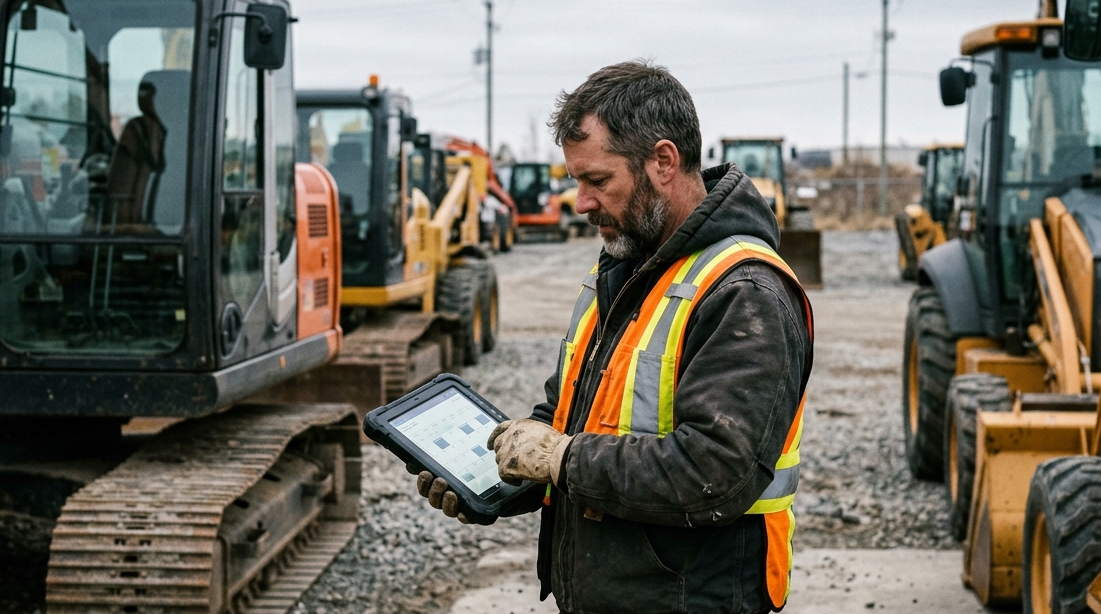
Rental business digitalization stopped being a “nice to have” a while back — in 2026 it’s the line between operators who are scaling and operators who are still chasing invoices on spreadsheets. This piece breaks down what’s actually changed since we first wrote about this shift, why the physical-to-online move keeps accelerating, and what to do about it whether you run an equipment yard, a vehicle fleet, or a self-storage facility.
Where the rental market stands in 2026
The equipment and vehicle rental market is still growing, and the growth is increasingly coming from operators who sell access rather than ownership — not from new demand alone. Industry associations like the American Rental Association publish annual forecasts tracking this shift toward rental as the default acquisition model for construction, event, and mobility equipment, and the direction hasn’t reversed since we last covered this topic.
What’s different in 2026 versus a few years ago is where the growth is concentrated. It’s no longer general population growth in rental demand — it’s operators who digitalized capturing share from operators who didn’t. A rental business open 24/7 through a self-service booking flow competes for the same customer as one open 9-to-5 with a phone line, and increasingly wins the booking that happens outside business hours.
Three forces are compounding this in 2026:
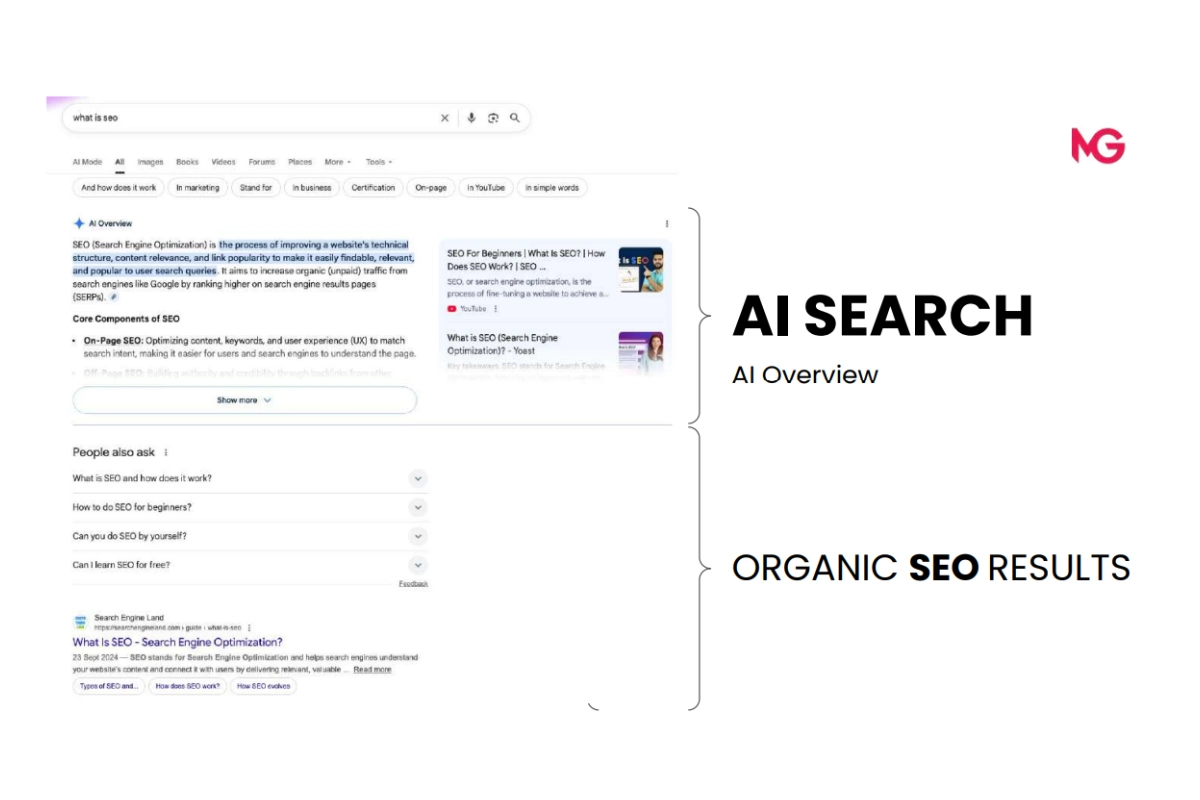
- AI-assisted search. Customers increasingly ask AI tools and assistants “who rents X near me” rather than typing a search query and scrolling results — which rewards rental businesses with clear, structured, always-current online listings over ones whose availability only exists in an employee’s head. We cover this shift in more depth in how AI search is changing how rental businesses get found.
- Telematics and IoT hardware getting cheaper. Fleet-tracking and usage sensors that were enterprise-only five years ago are now standard on mid-size fleets, which is why fleet visibility has moved from “advanced feature” to baseline expectation — see our vehicle rental fleet management guide for what that looks like in practice.
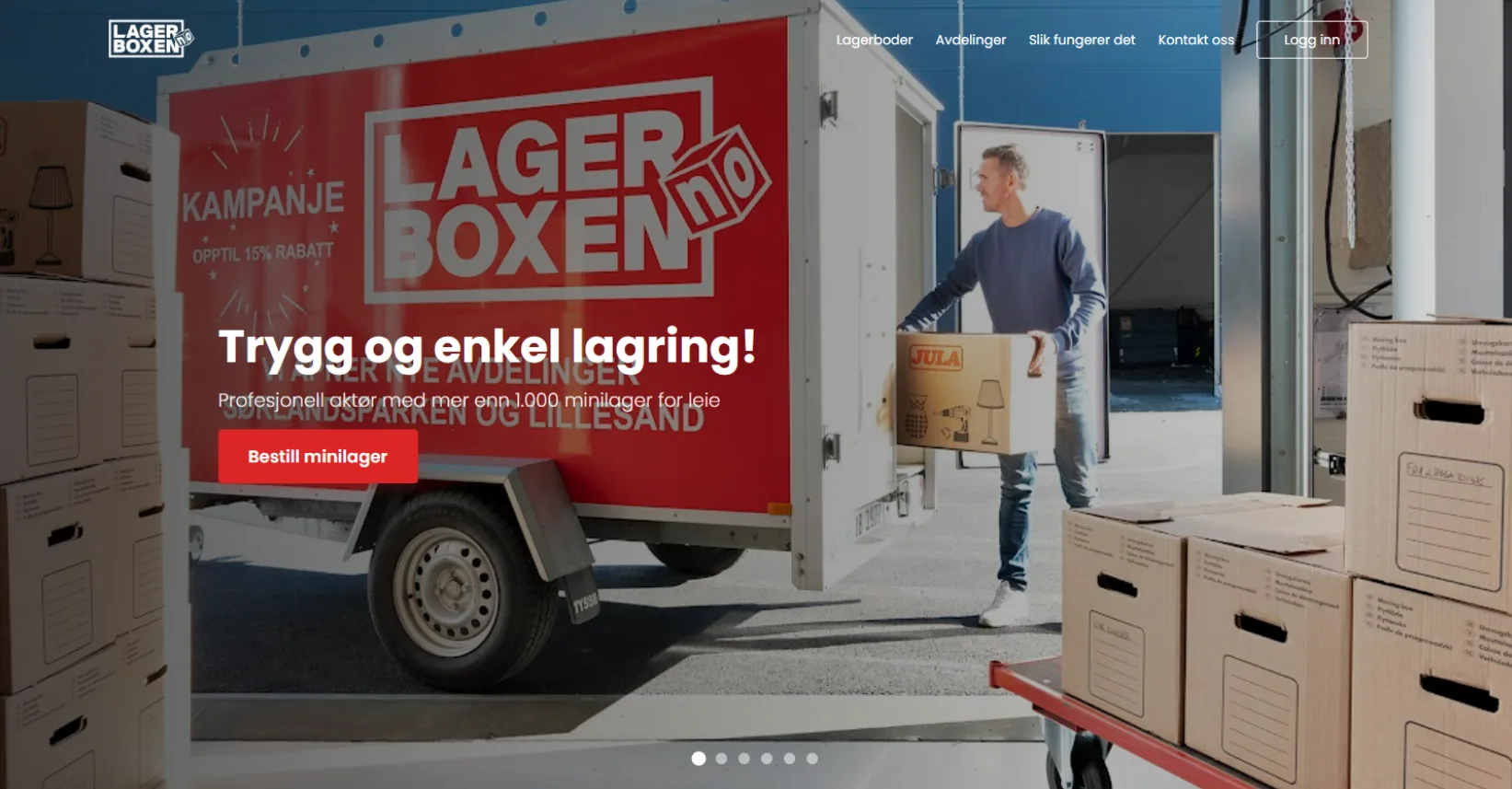
- Smart locks and access control maturing. Self-storage and equipment self-service have converged on similar hardware patterns — PIN codes, mobile unlock, remote access logs — which is why we treat self-storage automation and equipment self-service as the same underlying trend, just applied to a different asset.
Why “good enough” manual operations stopped being good enough
Manual rental operations don’t fail all at once — they fail one missed booking, one double-booked asset, and one lost invoice at a time, and by 2026 that failure rate is what separates growing operators from stalled ones.
The core problem is that inventory, bookings, payments, and contracts live in different places when they’re managed manually, and every handoff between those places is a place where a mistake can happen. A phone booking that never makes it into the paper calendar is a double-booking. An invoice typed from memory after the fact is a billing error. None of these mistakes are dramatic on their own, but compounded across hundreds of transactions a year, they cost real utilization and real revenue — which is exactly what a connected rental management system is built to close.
The administrative load is the other half of the problem. Someone still has to chase down a signature, reconcile a spreadsheet against a bank statement, or manually re-key a booking into accounting software. That’s hours per week that don’t scale — hiring more staff to do more manual admin is a much worse growth strategy than automating the admin away with accounting and payment integrations.

What digitalization actually means for a rental business
Digitalization means booking, inventory, payments, and check-in/out running as one connected system that a customer or operator can act on without a phone call — not a website bolted onto the same manual back office.
That’s a meaningfully narrower definition than “having a website,” and it matters because a lot of rental businesses digitalized the storefront in the 2010s without digitalizing the operations behind it. A booking form that emails a staff member, who then checks a paper calendar, isn’t digital operations — it’s a digital envelope around the same manual process.
The building blocks that make up real digitalization
- Self-service booking and inventory that show real, live availability — not a form that requires a callback to confirm.
- Self-service check-in/out, so a customer can start and end a rental independently for equipment, vehicles, or storage units, closing the loop that self-service technology is built around.
- Flexible pricing and subscription options for operators moving beyond single transactions into ongoing subscription-based rentals.
- Payment, ID verification, and accounting integrations so a booking automatically becomes an invoice and a reconciled transaction, without manual re-entry.
- Telematics and usage data on higher-value assets, feeding into maintenance schedules instead of a maintenance log nobody updates.
Automation and telematics, specifically
Automation removes the manual step; telematics tells you when that step is actually needed. Together they’re why predictive maintenance has become realistic for mid-size fleets rather than only enterprise ones — a sensor flags declining performance before a breakdown, instead of a technician finding out on a job site.
For mobility operators, that same logic extends to the rental itself: a customer books, unlocks, drives, and returns a vehicle with no staff interaction, the way we describe in car rental self-service automation and digitalization. For self-storage operators, it means access and billing running on the same rails, which is the whole premise behind self-storage software.
Manual vs. digital rental operations, side by side
| Operational area | Manual / phone-based | Digitalized |
|---|---|---|
| Booking availability | Staff checks a calendar or memory, calls back to confirm | Live availability shown instantly, booked without a call |
| Check-in / check-out | Staff hands over keys or access in person, on business hours | Self-service unlock or check-in, available 24/7 |
| Payments & invoicing | Manual invoice, delayed payment, manual reconciliation | Payment collected at booking, auto-reconciled with accounting |
| Asset tracking | Spreadsheet or paper log, updated inconsistently | Real-time inventory and, for higher-value assets, telematics data |
| Maintenance | Reactive — fixed after it breaks or after a missed service date | Increasingly predictive, triggered by usage data |
| Customer experience | Depends on staff availability and memory | Consistent, self-service, available outside office hours |
How to plan your own digitalization journey
- Map your current process end-to-end before buying anything — write down every handoff from “customer wants to rent” to “money is reconciled in your books.” The gaps you find are your priority list, not a generic feature list.
- Pick the highest-friction gap first, not the flashiest feature. For most operators in 2026 that’s either booking (still phone-based) or check-in/out (still staff-dependent) — telematics and predictive maintenance matter more once the core booking-to-payment flow is solid.
- Choose a rental management system built for your vertical, not a generic booking tool — equipment, vehicle, and self-storage operators have different needs around contracts, deposits, and access hardware.
- Connect payments, ID verification, and accounting at the same time as booking — a booking system that doesn’t talk to your invoicing just moves the manual re-entry step, it doesn’t remove it.
- Roll out self-service in stages — start with one location, asset category, or customer segment, fix what breaks, then expand.
- Track utilization and admin hours before and after so you actually know whether the change worked — a ROI calculator is a reasonable starting point for the “before” estimate.
Common pitfalls when digitalizing a rental business
- Digitalizing the storefront but not the back office — a slick booking form that still emails a staff member to manually confirm availability isn’t digitalization, it’s a shinier phone call. Fix it by connecting booking directly to live inventory, not a human intermediary.
- Buying telematics before fixing booking and payments — sensor data is wasted if the booking and invoicing process underneath it is still manual. Sequence the basics first.
- Treating self-service as “remove the staff” instead of “remove the bottleneck” — self-service that isn’t backed by clear support options frustrates customers who hit an edge case. Keep a support path visible even in a fully self-service flow.
- Underestimating the ID verification and deposit-handling step — this is where operators get burned on damage or no-shows if it’s skipped to launch faster. Build it in from day one, don’t bolt it on after a bad incident.
- Rolling out everything at once across every location — a big-bang rollout multiplies the cost of any single mistake. Pilot in one site or one asset category first.

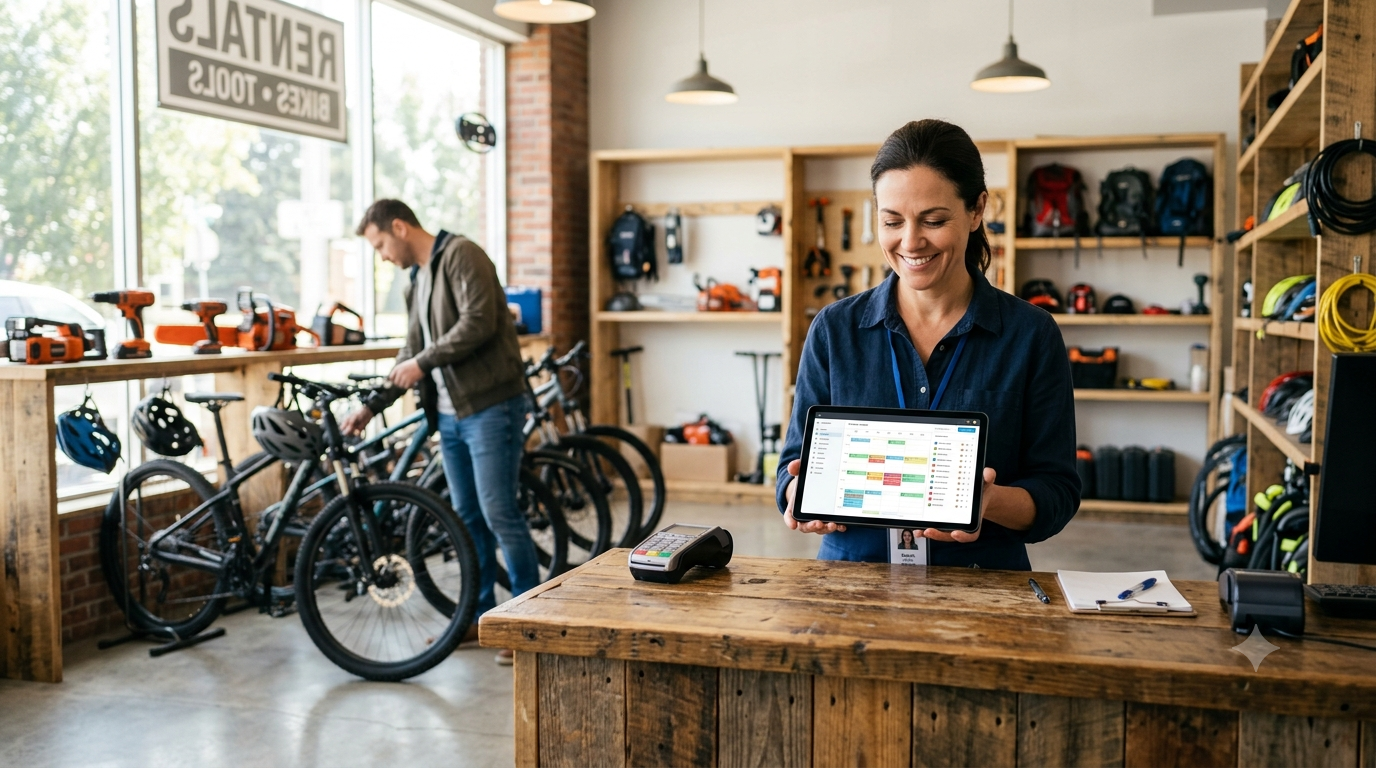
 All in one platform