Skip to main content


Damage disputes are one of the fastest ways a car rental company loses customer trust — and one of the most preventable. In our recent webinar, “Master Damage Management in Vehicle Rentals,” we sat down with DamageID to unpack how operators and customers can approach vehicle damage together, rather than as adversaries. This guide brings together those insights with the practical fundamentals of car rental software, rates, and rental deals — so you’re prepared whether you’re renting a car for a weekend or managing a fleet of a few hundred.
Overview of Car Rental
What to Know Before Renting a Car
Before you rent a car, it helps to understand what’s happening behind the scenes. Sharefox, a digital rental commerce platform, gives rental businesses a complete rental management system for both B2C and B2B customers — self-service booking, flexible pricing, and the kind of ecosystem integrations (like digital inspection tools) that make damage disputes far less common. For renters, that translates into a smoother pickup, a clearer contract, and fewer surprises at drop-off.
Types of Rental Cars Available
The variety of available vehicles is extensive, catering to every need and preference: economical compact cars for city driving, spacious SUVs for family trips, and luxury models for a special occasion. Whether you need an SUV, a premium car, or a standard sedan, understanding your options helps you find the right match for your journey and budget — and, as we’ll cover below, the right level of coverage for that vehicle class.
Importance of Booking Early
Securing your rental car with an early booking is a strategic move that often leads to better car rental deals and rates, especially during peak travel seasons. This proactive approach guarantees the availability of your preferred vehicle and can save you money, making your travel plans more affordable and less stressful at pickup.
Understanding Rental Car Rates
Factors Affecting Rental Car Rates
Several dynamic factors influence rental car rates. Being aware of them helps you navigate options and find a competitive rate.
| Factor | Influence on Price |
|---|---|
| Car Class | Larger and premium vehicles carry higher daily rates and often require higher-tier insurance |
| Rental Duration | Weekly and monthly rentals typically drop the effective daily rate compared to short bookings |
| Time of Year | Peak travel seasons and holidays push rates up due to higher demand and lower fleet availability |
| Pick-up Location | Airport branches often add facility and concession fees; downtown or off-airport locations tend to be cheaper |
Comparing Rates Across Different Locations
A smart approach involves comparing rates across rental companies and locations — airport vs. off-airport branches, major providers vs. regional operators. Expanding your search to include various pick-up points can reveal more affordable options.
How to Find the Best Rental Car Deals
- Look for discount codes and compare prices across multiple platforms.
- Consider monthly rentals for longer trips.
- Ask about price-match guarantees — many operators offer them.
- Explore one-way or extended rental options for added flexibility.
Damage Management in Vehicle Rentals
Damage management is the part of the rental experience most likely to sour an otherwise good trip — for the renter and the operator. Getting it right isn’t just about avoiding disputes; it’s about building a rental business customers trust enough to come back to.
The Evolution of Damage Management
Historically, documenting vehicle damage meant a walk-around with a paper checklist and a hope that both parties remembered the same details. That approach leaves too much room for ambiguity — and ambiguity is exactly what erodes customer trust. The shift toward digital inspection tools is about creating a transparent process that removes the customer’s biggest fear: being charged for damage that was already there before they picked up the keys.
Changing Customer Expectations
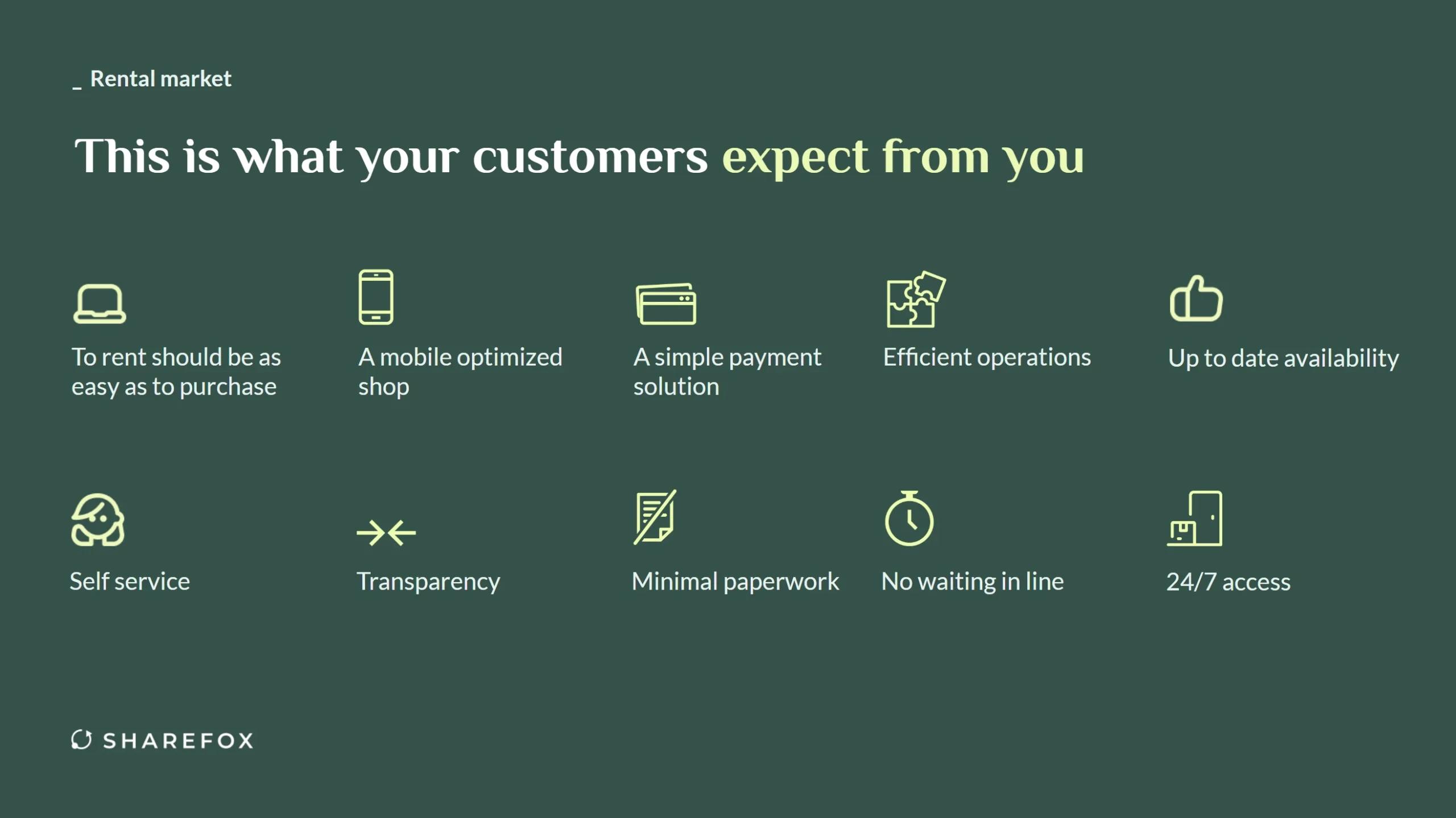
Customer expectations have shifted dramatically. Today’s renters expect the same speed and transparency they get from any modern digital service — mobile-first check-in, self-service options, and minimal paperwork. Meeting these expectations isn’t just about satisfaction scores; it directly affects operational efficiency, since fewer disputes mean fewer staff hours spent resolving them after the fact.
The Digital Customer Journey
A modern digital customer journey for a rental typically includes three connected steps:
- Online booking and payment — customers check availability, book, and pay before they ever reach the counter.
- Digital inspections — tools like DamageID let both sides document vehicle condition accurately, with photo and video evidence tied to the booking.
- Paperless contracts — digital contracts and e-signatures remove the final piece of friction, letting customers sign and go without printed paperwork.
Together, these steps elevate the customer experience while reducing the administrative load on rental staff.
Focus on Damage Documentation
Effective damage documentation is the backbone of a transparent rental process. Without it, every scratch becomes a “he said, she said.” With accurate, timestamped documentation, both operator and customer are working from the same facts — which is what actually resolves disputes quickly.
Advanced Features of DamageID
During the webinar, we walked through several features that make digital inspection genuinely useful in day-to-day operations, not just a compliance checkbox:
- Timestamp and location tracking — every inspection photo is tagged with when and where it was taken, so there’s no ambiguity about which inspection a photo belongs to.
- Customer self-inspection — customers can inspect the vehicle themselves via a link sent by email or SMS, guided step by step through the process. This is particularly useful for after-hours pickups or unattended rental locations.
- Side-by-side comparison — before and after photos are placed next to each other, so operators can assess the vehicle’s condition change in seconds rather than digging through folders.
- Damage reporting across the fleet — operators can track damage trends across their entire fleet and export reports for further analysis, with support for unlimited inspection types and templates.
“The goal isn’t to catch customers out — it’s to remove the guesswork entirely, for both sides. When the documentation is accurate and timestamped, disputes mostly stop happening in the first place.” — From the Master Damage Management in Vehicle Rentals webinar panel
Manual vs. Digital Damage Inspection
| Aspect | Manual (Paper) Inspection | Digital Inspection (e.g., DamageID) |
|---|---|---|
| Documentation | Handwritten notes, occasional photos | Timestamped, geo-tagged photos and video |
| Speed at pickup/return | Slower, dependent on staff availability | Faster, can include customer self-inspection |
| Dispute resolution | Difficult — relies on memory and paper trail | Fast — side-by-side before/after comparison |
| Consistency across staff | Varies by individual | Standardized templates across the fleet |
| Reporting | Manual compilation, time-consuming | Automated fleet-wide reports, exportable |
| Customer trust | Lower — perceived as subjective | Higher — evidence-based and transparent |
Insurance Options for Rental Cars
Most car rental companies offer collision damage waiver (CDW) or loss damage waiver (LDW) coverage, which limits your financial responsibility for damage or theft. Your personal auto insurance policy or credit card may also offer some coverage — it’s worth reviewing these before you rely on the rental company’s own options. For a deeper breakdown of what’s typically covered, see our comprehensive guide to rental insurance.
Common Types of Damage in Rentals
Damage in rentals ranges from minor cosmetic issues to more significant structural concerns — dents, scratches, cracked windshields, and tire damage are the most common, and usually result from everyday driving. A thorough inspection before and after your trip, ideally through a digital inspection process, keeps this process transparent for both sides.
Steps to Take After Damage Occurs
- Ensure safety first — and contact local authorities if necessary.
- Notify the rental company as soon as possible, providing details and documentation such as photos.
- Follow the documented process in your rental agreement and any applicable insurance coverage.
Best Practices for Damage Management
- Conduct thorough inspections before and after every rental — this documentation is what makes comparison and accountability possible.
- Standardize procedures across your fleet so damage is documented consistently, regardless of which staff member handles the pickup.
- Engage your team — build a culture of accountability, and consider gamifying inspections to encourage consistent participation.
- Leverage technology to facilitate inspections, communicate with customers, and maintain a comprehensive record of vehicle condition over time.
- Maintain documentation in an archive you can reference later — this is what protects both trust and revenue when disputes come up.
Rental Cars for Different Needs
Luxury Car Rentals: What to Expect
A luxury rental elevates the travel experience with premium brands, sophisticated interiors, and strong performance — ideal for special occasions, and typically covered by higher-tier insurance options given the higher vehicle value.
SUV Rentals for Family Travel
SUVs offer ample space, comfort, and versatility for road trips and family travel. With sizes ranging from compact to full-size, there’s an SUV to match most family needs.
Monthly Car Rentals for Extended Use
Monthly rentals are a flexible, cost-effective solution for business travelers, people relocating, or anyone needing a vehicle without the commitment of a lease. Many operators offer attractive monthly rental deals with meaningful discounts compared to daily or weekly rates.
Rental Car Promotions and Discounts
Finding Promotions for Car Rentals
Seasonal promotions, holiday specials, and exclusive offers can meaningfully reduce your rental rate. Keep an eye on operator newsletters and loyalty program emails, which often surface deals before they’re advertised publicly.
Using Loyalty Programs for Discounts
Loyalty programs let frequent renters accumulate points redeemable for future rentals, upgrades, or free days — and often include faster service at pickup.
Special Offers at Airports and Destinations
Many operators run targeted promotions for travelers arriving at specific airports or visiting particular cities, so it’s worth checking destination-specific offers before you book.


 All in one platform