Skip to main content


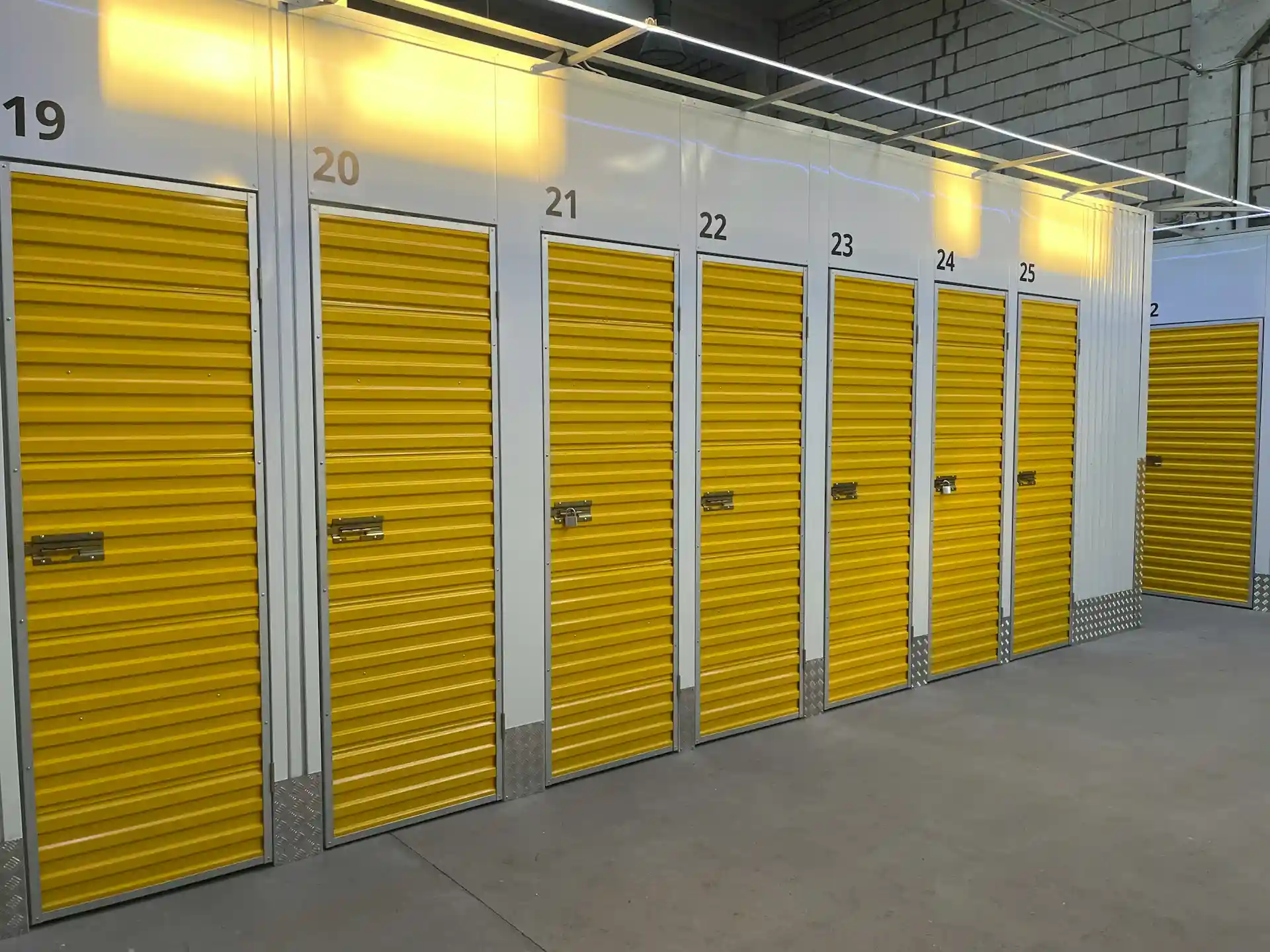
Choosing the wrong lock is one of the most avoidable mistakes a self-storage renter can make — and one of the most common. Every year, storage facilities and insurers report break-ins where the unit itself was never breached; the lock was simply cut, picked, or never properly engaged in the first place. This guide walks through the lock types that actually hold up, how to match a lock to your unit, and the maintenance habits that keep it working when it matters.
This article draws on manufacturer security specifications, self-storage industry guidance, and operational experience gathered from facilities running on Sharefox self storage software, where access control and lock policy come up constantly in conversations with facility operators.
Understanding storage unit security
Why the lock matters more than people think
A storage unit’s lock is its only real line of defense. Unlike a home, a storage unit has no alarm system watching it overnight, no neighbor who’d notice a broken window, and often no one on-site after hours. The lock is the entire security system, which is why the difference between a $5 padlock and a $30 disc lock is rarely about price — it’s about which one a bolt cutter can open in ten seconds versus ten minutes.
Facility operators who have moved to smart lock and automated access systems often see this trade-off firsthand: tenants who arrive with a flimsy lock are, statistically, the ones who file the most damage and loss claims.
Matching lock type to unit type
Security needs differ by unit type:
- Indoor units benefit from the facility’s own layers — cameras, gated access, staffed hours — so the lock is a second line of defense rather than the only one.
- Outdoor / drive-up units are directly exposed to the street and to weather, and they need a lock that’s both cut-resistant and corrosion-resistant.
- Units at facilities with automated gate access still need a strong physical lock on the unit itself — gate software controls who gets onto the property, not who can force open an individual door.
“The biggest security gap we see isn’t the facility’s perimeter — it’s the $4 laminated padlock a tenant bought at a gas station on move-in day.” — a recurring observation among self-storage facility managers, echoed across industry security guidance from groups like the Self Storage Association.
Types of locks for storage units
Disc locks: the industry favorite
Disc locks (also called “round locks” or “puck locks”) are widely considered the best default choice for storage units. Their rounded, shrouded shackle leaves almost nothing for a bolt cutter’s jaws to grip, which is the main reason facilities frequently require them in outdoor units. The trade-off: you’ll want to confirm the disc lock’s diameter fits your unit’s hasp before buying, since sizes vary between manufacturers.
Cylinder locks vs. padlocks
Cylinder locks are usually built into the unit door itself and offer a fixed, often keyed, solution controlled by the facility. Padlocks are what you bring yourself, and they range enormously in quality — from cheap laminated locks (avoid these for storage) to hardened-steel, shrouded-shackle designs built specifically to resist cutting and prying.
Master Lock and other trusted brands
Master Lock is one of the most recognized names in the category, with both padlocks and disc locks rated for outdoor and high-security use. Its long track record and third-party durability testing make it a safe default when you’re not sure what to buy — though it’s worth comparing against other established brands (see the table below) before deciding.
Choosing the best lock for your storage unit
Factors to weigh before buying
- Hasp/latch compatibility — measure your unit’s hasp diameter before ordering a disc lock; an ill-fitting lock is either unusable or, worse, easy to pry.
- Indoor vs. outdoor exposure — outdoor and drive-up units need weatherproof, corrosion-resistant hardware.
- Facility lock policy — many facilities that run tenant protection plans specify a minimum lock standard (often “disc lock required”) as a condition of coverage. Check your rental agreement.
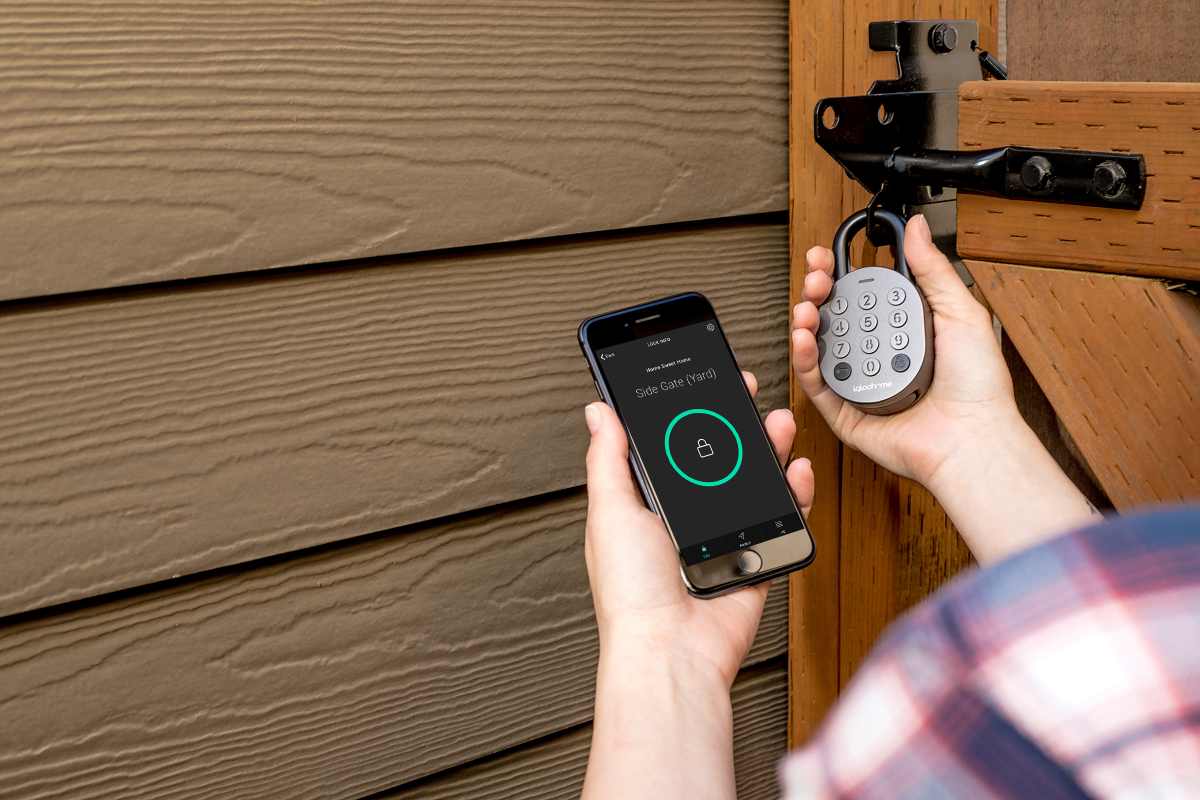
- Keyed vs. combination — keyed locks avoid the risk of a forgotten code but introduce the risk of a lost key; combination locks remove that risk but require you to actually remember (and periodically change) the code.
What “high security” actually means
Look for a shrouded or recessed shackle, hardened boron or steel construction, and a manufacturer security rating (often expressed as a resistance level against picking, drilling, and cutting). Reputable brands publish this data; if a listing doesn’t mention shackle material or a security rating at all, treat that as a red flag.
Weatherproofing for outdoor units
Rust is the quiet failure mode of storage locks — a corroded shackle can seize shut just as easily as it can be forced open. Look for weather-sealed housings, stainless or brass components, and (for combination locks) protected dial mechanisms.
Popular lock brands compared
The table below compares the two brands most commonly recommended for self-storage use, based on published manufacturer specifications rather than marketing claims.
| Feature | Master Lock (Magnum / ProSeries disc locks) | Abus (Diskus series) |
|---|---|---|
| Shackle design | Shrouded, hardened steel | Fully shrouded, hardened steel |
| Weather resistance | Yes — sealed housing on outdoor-rated models | Yes — corrosion-protected on Diskus Bronze/Granit lines |
| Keyed or combination | Both available | Primarily keyed, with keyed-alike options for facilities |
| Bolt-cutter resistance | High on disc/puck models | High to very high on Granit-tier models |
| Typical price range | $ – $$ | $$ – $$$ |
| Best suited for | General outdoor and drive-up units | Higher-value units and facilities wanting uniform, keyed-alike locking |
Both brands publish independent security ratings for their higher-tier products — worth checking directly on the manufacturer’s site before you buy, since model numbers and ratings change over time.
Keyless vs. keyed: the honest trade-off
Combination (keyless) locks remove the “lost key” risk entirely, which is why many tenants prefer them for convenience. Keyed locks, on the other hand, are often viewed as marginally more tamper-resistant since there’s no code to be observed or guessed. Neither is objectively “more secure” — the shackle and body construction matter far more than the locking mechanism itself.
Lock maintenance and best practices
Keeping your lock working
Storage locks sit outside, exposed to rain and temperature swings, for months at a time. A quick twice-a-year routine prevents most failures:
- Apply a silicone-based lubricant (not oil-based, which attracts grit) to the shackle and keyway.
- Wipe down the shrouded area of disc locks, where debris tends to collect.
- Test the lock fully open and closed before you rely on it, especially after winter.
Everyday habits that matter more than the lock itself
Even the best lock fails if the shackle isn’t fully engaged or the door isn’t properly latched before locking up. If you use a combination lock, change the code periodically — particularly after letting anyone else access the unit.

 All in one platform