Skip to main content


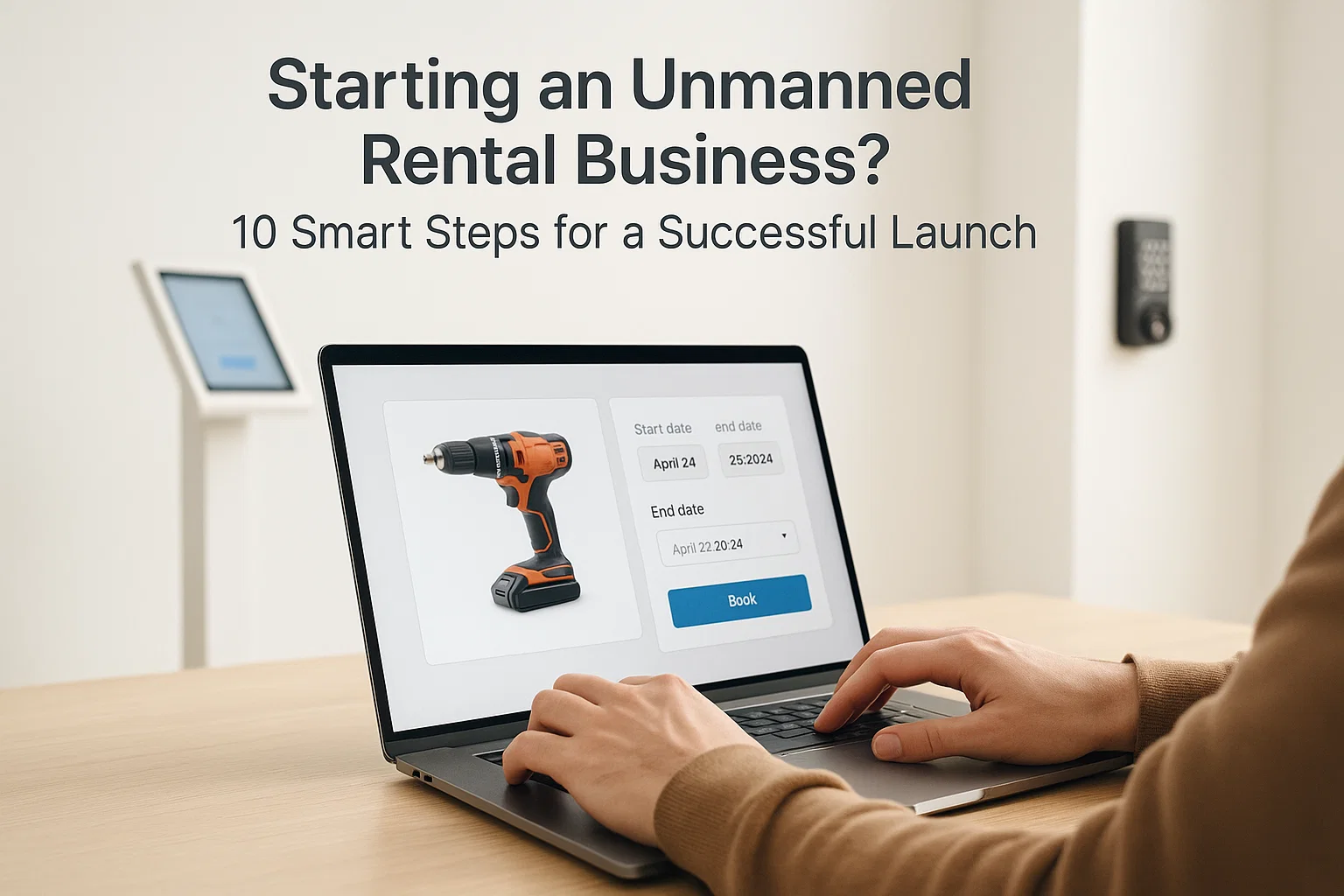
Unmanned aerial vehicles (UAVs) — commonly called drones — have moved from hobbyist toy to professional tool in less than a decade, and rental demand has followed. Real estate agents want aerial photos without buying an aircraft outright. Farmers want a season of crop-mapping flights, not a permanent fleet. Construction firms want inspection footage for a single project. That gap between “I need this drone for a week” and “I don’t want to own one” is exactly what an unmanned rental business fills.
This guide walks through the ten steps we see work in practice for operators launching a drone rental business — from picking a niche to staying compliant with aviation regulators.
Understanding the Rental Business Landscape
The Rise of Drone Rental Businesses
The drone rental sector is a natural extension of the broader equipment-rental economy — the same logic that built the car rental business now applies to unmanned aircraft. As UAVs become standard tools in photography, construction, and agriculture, more businesses would rather rent flight-ready equipment on demand than carry the capital cost, insurance, and maintenance burden of ownership.
One operator who has lived this shift firsthand is Scandinavian Drone, a Nordic rental company that moved its entire booking and fleet-tracking process online:
“Renting out drones isn’t like renting a lawnmower — every flight has a certification, a weather window, and an airspace rule attached to it. The businesses that get this right treat compliance as a feature, not paperwork.” — A Scandinavian Drone rental operator, describing the shift to structured online booking
Market Trends to Watch
Drone rental sits inside a wider trend: businesses across construction, agriculture, and real estate are increasingly comfortable renting specialized equipment rather than owning it, mirroring patterns already well documented in the broader equipment rental software market. Regulatory clarity from aviation authorities (see Sources below) has also reduced a major barrier to commercial drone use, which tends to widen the addressable customer base for rental operators.
Benefits of Starting a Rental Business Without Owning Equipment
Leasing rather than owning is one of the more common ways operators reduce their entry costs. Instead of buying every aircraft outright, many new operators lease from manufacturers or distributors, keeping cash free for insurance, marketing, and a professional online booking experience. It’s a lower-risk way to test a niche before committing to a larger fleet.
Key Steps to Start a Drone Business
Identifying Your Niche in the Drone Market
Before buying or leasing a single aircraft, narrow down who you’re actually serving. Our guide on choosing the right rental niche walks through the research process in more depth, but the short version is: talk to potential customers first, then build a fleet around what they actually need.
Essential Startup Costs for a Drone Rental Business
Leasing reduces the biggest single cost — the aircraft — but it doesn’t eliminate the rest of the budget. Plan for these categories before you launch:
Developing a Business Plan for Your Drone Rental Operations
A drone rental business plan needs the same backbone as any equipment rental venture — our step-by-step business plan guide covers the format in detail. At minimum, yours should define:
Setting Up Your Drone Rental Operations
Choosing the Right Drone Models for Rental
Match your fleet to your niche: lightweight, easy-to-fly models for hobbyists and photographers; sensor-equipped, longer-flight-time aircraft for mapping, surveying, and inspection clients. Most operators keep a mixed fleet and use software built for equipment rental to track which model is booked, maintained, or due for a firmware update.
Leasing vs. Buying: A Quick Comparison
Since the “no ownership” model is central to this guide, here’s how leasing and buying stack up for a new drone rental operator:
Establishing Rental Rates and Terms
Pricing a drone rental isn’t just “cost plus margin” — flight time, sensor payloads, insurance, and pilot certification all factor in. Our pricing strategy guide breaks down how to model daily, weekly, and project-based rates so you stay competitive without underpricing risk.
Building an Online Presence for Your Business
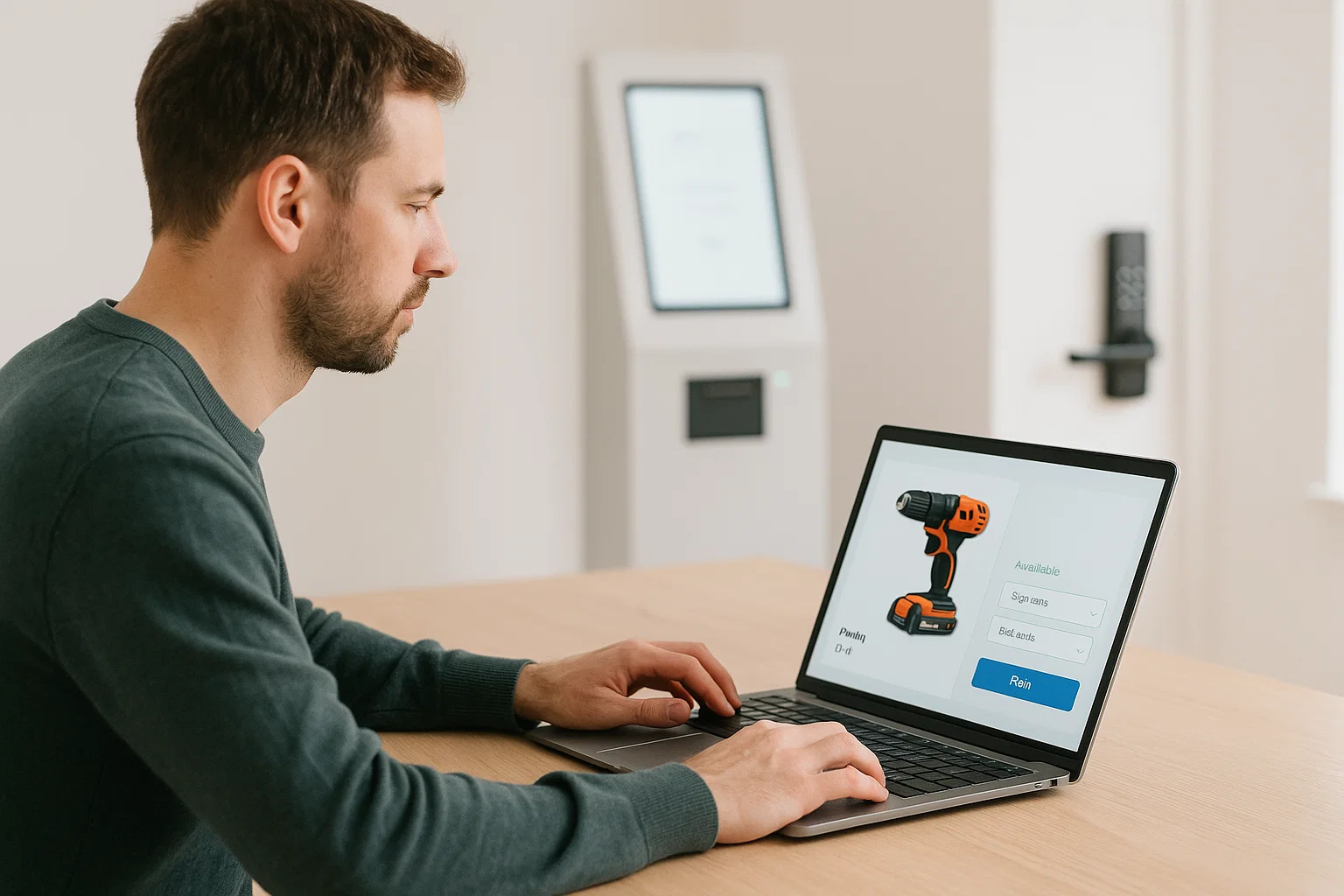
Customers expect to check availability, compare rates, and book online without a phone call. A rental booking platform paired with real-time inventory tracking lets you show accurate fleet availability and take reservations 24/7 — both of which matter more for aircraft than for, say, folding tables, since weather and airspace restrictions can change availability day to day.
Finding and Training Drone Pilots
Recruiting Qualified Drone Pilots
Look for pilots who already hold the relevant commercial certification (Part 107 in the US, or the equivalent in your country) and have experience in your chosen niche — inspection flying and cinematic flying are different skill sets. Industry forums, professional UAV associations, and targeted recruitment posts tend to surface qualified candidates faster than general job boards.
Training Programs for Drone Operators
Certification is a floor, not a ceiling. Ongoing training on new aircraft, updated airspace rules, and equipment maintenance keeps your pilots — and your customers’ data — safe. Build a short onboarding checklist and revisit it whenever regulations or your fleet change.
Ensuring Compliance with Regulations
Drone rental businesses answer to two sets of rules: general rental-business regulation, and aviation-specific rules governing who can fly, where, and under what conditions. Confirm every pilot’s certification is current, keep insurance active, and monitor regulatory updates from your national aviation authority (see Sources below). Non-compliance risk is one of the clearest ways an otherwise well-run rental business damages its reputation.
Marketing Your Drone Rental Business
Effective Marketing Strategies
A drone rental launch benefits from the same fundamentals as any other rental niche — our marketing strategy guide for rental businesses is a good starting point, then layer in drone-specific proof: sample aerial footage, inspection case studies, and before/after imagery.
Leveraging Social Media and Online Platforms
Aerial content is inherently visual, which makes it well suited to Instagram, YouTube, and LinkedIn. Share flight footage, client results, and short explainer clips on how your booking process works.
Networking and Building Partnerships in the Industry
Real estate agencies, construction firms, and agricultural cooperatives are natural referral partners. Attend regional UAV meetups and construction-industry events to build relationships that turn into repeat bookings.


 All in one platform