Skip to main content



Renting out things you already own — or acquiring specific items with rental income in mind — is one of the most accessible ways to build a side income or a full-time business. Unlike a lot of “side hustle” ideas, rental businesses are built on a genuinely old and well-understood economic model: an asset earns money every time it’s used by someone other than its owner, instead of sitting idle in a garage, shed, or storage unit.
This guide walks through the categories of things people successfully rent out, what makes a rental niche profitable, and the operational pieces — booking, payments, and access — that separate a hobby from a real business. We’ve grouped items by category rather than listing all 165 individually, because the category you choose matters more than the specific item: it determines your customers, your competition, and how much of the process you can automate.
Introduction to Rental Opportunities
Understanding the Rental Business
At its core, a rental business exchanges temporary access to an asset for a fee. What has changed in the last decade isn’t the concept — it’s the infrastructure around it. Online booking calendars, digital contracts, keyless access, and payment automation have turned rental businesses that once required a physical counter and a paper logbook into operations that can run largely unattended.
Platforms built specifically for this purpose, such as Sharefox’s rental management software, give operators tools for inventory tracking, online booking, invoicing, and customer self-service in one place. Understanding what these tools do — and don’t do — is useful even if you’re starting small, because it tells you which parts of the process are worth automating from day one.
Benefits of Renting Items Out
The appeal of rental income comes down to a few consistent advantages:
- Lower barrier to entry than selling. You don’t need to move inventory to zero to make money — you need utilization.
- Recurring revenue potential. The same item can generate income repeatedly, often with minimal marginal cost per rental.
- Scalable with the right systems. Booking and payment automation let one person manage a rental catalog that would otherwise need a full-time front desk.
- Works across a wide range of price points, from a $20 tent rental to a $2,000-a-month equipment lease.
How Renting Generates Extra Cash
The math behind rental income is simple in principle: revenue per asset is a function of utilization rate (how often it’s rented) multiplied by rate per use, minus maintenance, storage, and platform costs. Businesses that do this well focus on increasing utilization — through better visibility, easier booking, and flexible pricing — rather than just raising prices. According to the American Rental Association’s 2025 industry report, the U.S. equipment rental industry alone is projected to keep growing steadily through the mid-2020s, driven in large part by construction and event demand — a signal that renting out equipment and gear remains a durable, not a fading, opportunity.
“The businesses that win in rental aren’t necessarily the ones with the most inventory — they’re the ones whose customers can find, book, and pay for that inventory in under two minutes.” — Sharefox Editorial Team, Editorial Policy
Common Things to Rent
Property and Storage Rental Options
Property-adjacent rentals — self-storage units, mini-warehouses, and modular storage — are some of the steadiest rental categories because demand is driven by predictable life events (moves, downsizing, business overflow) rather than seasons or trends. Operators in this space increasingly rely on:
- Online booking and payment for units
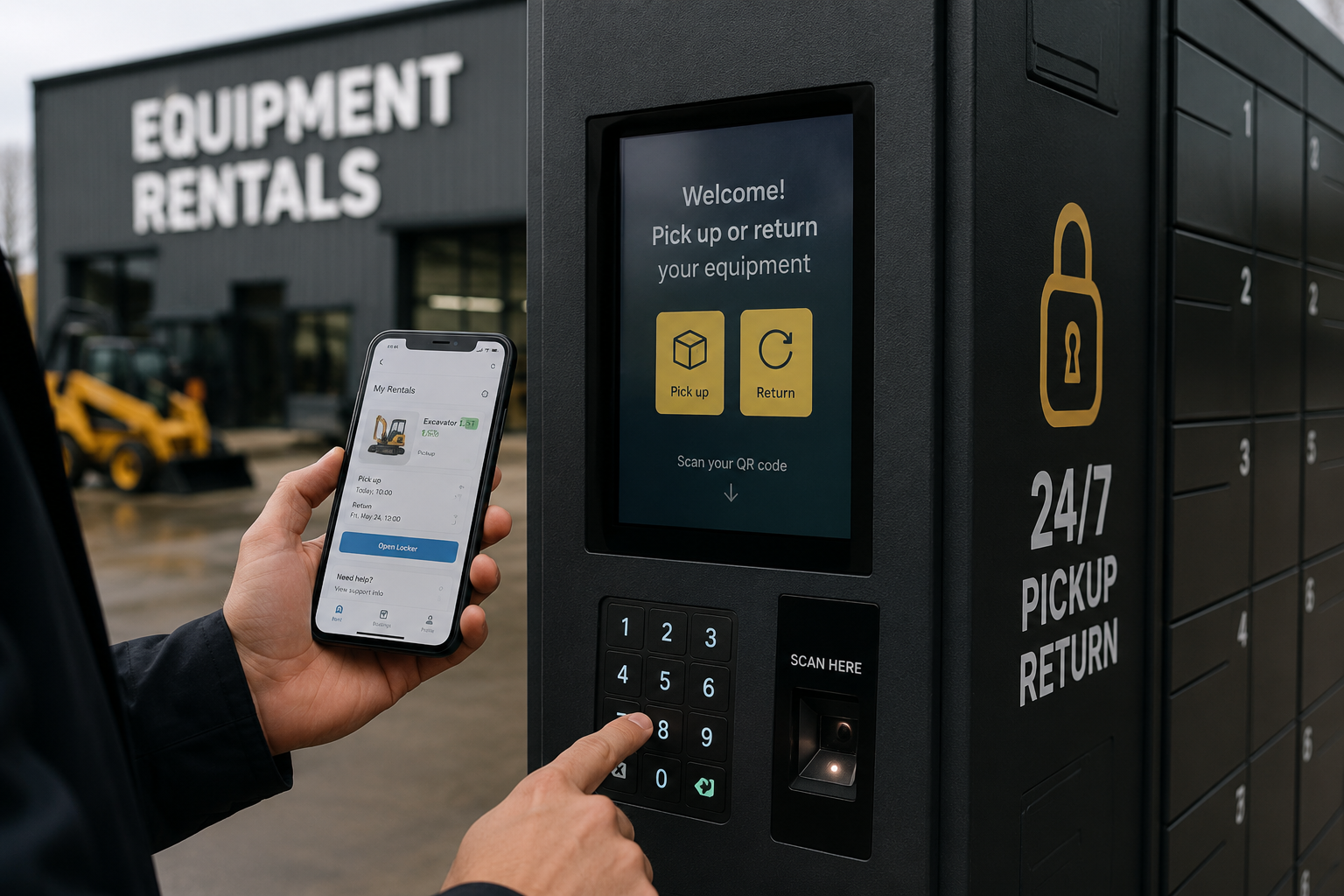
- Automated access and lock systems
- Subscription-style billing for long-term tenants
This shift toward self-service storage software is largely why small, independent self-storage operators can now compete with larger chains — the overhead of a 24/7 staffed front desk simply isn’t necessary anymore.
Furniture Rental Essentials
Furniture rental serves a specific, recurring set of needs: corporate events, staging for home sales, temporary housing, and short-term relocations. A well-run furniture rental operation typically stocks pieces that are durable, easy to clean, and quick to deliver and collect — sofas, dining sets, and basic office furniture tend to move fastest.
Storage Space for Rent
Storage space rental deserves its own mention because it behaves differently from most other categories on this list — demand is less seasonal and churn is lower. The operators who do best focus on:
- 24/7 self-service access rather than staffed hours
- Transparent online pricing and instant booking
- Automated late-payment and access-lock workflows
Profitable Things to Rent
Construction Equipment Rentals
Construction equipment rental is one of the largest rental categories globally, and it’s dominated by regional and family-run businesses rather than big-box chains. Items in steady demand include excavators, generators, concrete mixers, and scaffolding. Because this equipment is expensive to buy outright, contractors and DIY homeowners alike default to renting — which is part of why the segment shows up consistently in industry sizing reports from firms like IBISWorld.
Car and Vehicle Rentals
Car rentals remain one of the most consistently demanded rental categories, spanning business travel, tourism, and short-term replacement vehicles. What’s changed recently is the rise of car subscription models — a hybrid between traditional rental and leasing that gives renters flexibility without a long-term commitment. McKinsey’s research on this shift is worth reading directly if you’re considering this niche (see Sources below); it outlines both the growth potential and the operational complexity involved.
Portable Restroom Rentals for Events
Portable restroom rental is a less glamorous but consistently in-demand category tied to festivals, construction sites, and outdoor events. Success here depends more on logistics and maintenance reliability than on marketing — repeat corporate and event-planner clients are the backbone of this business.
Party and Event Rentals
Bounce House and Inflatable Rentals
Inflatable and bounce house rentals are a popular entry point for new rental entrepreneurs because the upfront investment per unit is relatively low compared to vehicles or heavy equipment, and demand is driven by predictable, recurring events — birthdays, school functions, and community gatherings.
Tent Rentals for Outdoor Events
Tent rental is a cornerstone of the events industry, supporting weddings, corporate functions, and festivals. Because tents vary widely in size and setup complexity, operators who offer a clear range of options — and make it easy to compare and book them online — tend to convert more inquiries into bookings.
Party Rental Essentials
Beyond tents and inflatables, a broader party and event rental catalog — tables, chairs, linens, dinnerware, sound systems, and lighting — lets operators become a one-stop shop for event planners, which increases average order value and repeat business.
Comparing Rental Categories
Every category on this list behaves differently in terms of upfront investment, competition, and how quickly you can automate the booking process. Here’s a general comparison to help narrow down where to start:
| Rental category | Typical startup cost | Demand pattern | Ease of automation | Competitive intensity |
|---|---|---|---|---|
| Construction equipment | High | Steady, B2B | Moderate | Moderate (regional) |
| Car / vehicle rental | High | Steady, mixed B2C/B2B | High (keyless access) | High |
| Self-storage units | High (real estate) | Steady, low seasonality | High (smart locks) | Moderate |
| Tents & event equipment | Moderate | Seasonal, event-driven | Moderate | Moderate |
| Bounce houses / inflatables | Low–Moderate | Seasonal, event-driven | Moderate | Low–Moderate |
| Furniture rental | Moderate | Steady, corporate + residential | Moderate | Low |
| Portable restrooms | Moderate | Event & construction-driven | Low–Moderate | Low |
Cost and competition levels are directional, not fixed figures — they vary significantly by region and market saturation.
Profitable Rental Business Ideas
Best Rental Business Ideas for Beginners
If you’re weighing options, it’s worth reading a broader roundup like 49 rental business ideas or a framework for choosing the right rental niche before committing capital to inventory. The categories with the lowest barrier to entry — bounce houses, party equipment, and tool rental — are usually the best place for beginners to test demand before scaling into vehicles or heavy equipment.
Growing Your Rental Business Effectively
Once a rental idea is validated, growth typically comes from increasing utilization of existing inventory before adding more of it. That means better visibility (SEO, local listings), easier booking, and flexible pricing — including short-term, long-term, and subscription options side by side. Sharefox’s inventory and rental management system is one example of how operators track utilization across a growing catalog without adding administrative headcount.
Ways to Rent and Maximize Income
Many operators find that offering a mix of rental models — one-off short-term rentals, longer-term leases, and subscriptions — attracts a wider customer base than sticking to a single format. Subscription rental software in particular has opened up recurring-revenue models in categories (like car and equipment rental) that used to be purely transactional.

 All in one platform