Skip to main content


Moving house or hauling a boat, a load of construction debris, or a car across the country all come down to the same logistics question: what’s the right trailer, and where do you rent it? A wide range of trailer rental options now exists to make this easier, and the businesses behind them increasingly rely on digital rental platforms — like Sharefox’s trailer rental software — to offer instant online booking instead of a phone call and a paper contract.
This guide walks through how trailer rental works today, what actually drives the price you’re quoted, and how to pick the right trailer, hitch, and rental company for the job.
Understanding Trailer Rental
What Is a Trailer Rental?
A trailer rental means temporarily leasing a trailer for a set period so you can haul goods without owning the equipment outright. Traditionally that meant calling a local yard during business hours. That’s changing: modern rental businesses increasingly offer self-service booking and flexible, duration-based pricing through platforms built specifically for equipment and vehicle rental, covering both everyday consumers and recurring B2B accounts.
Types of Trailers Available for Rent
Rental yards typically stock a handful of trailer families, and choosing the right one comes down to what you’re hauling and how far.
| Trailer Type | General Weight Range | Best For | Hitch Class (General) |
|---|---|---|---|
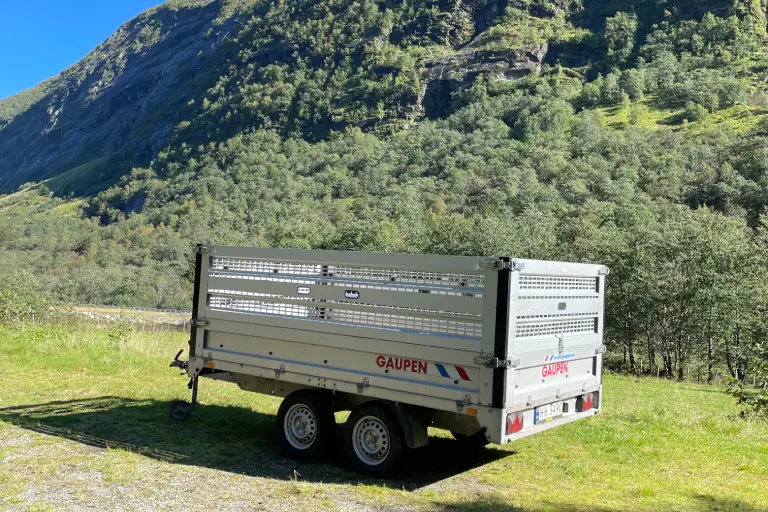
| Utility Trailer | Light | General cargo, yard debris, small furniture | Light-duty |
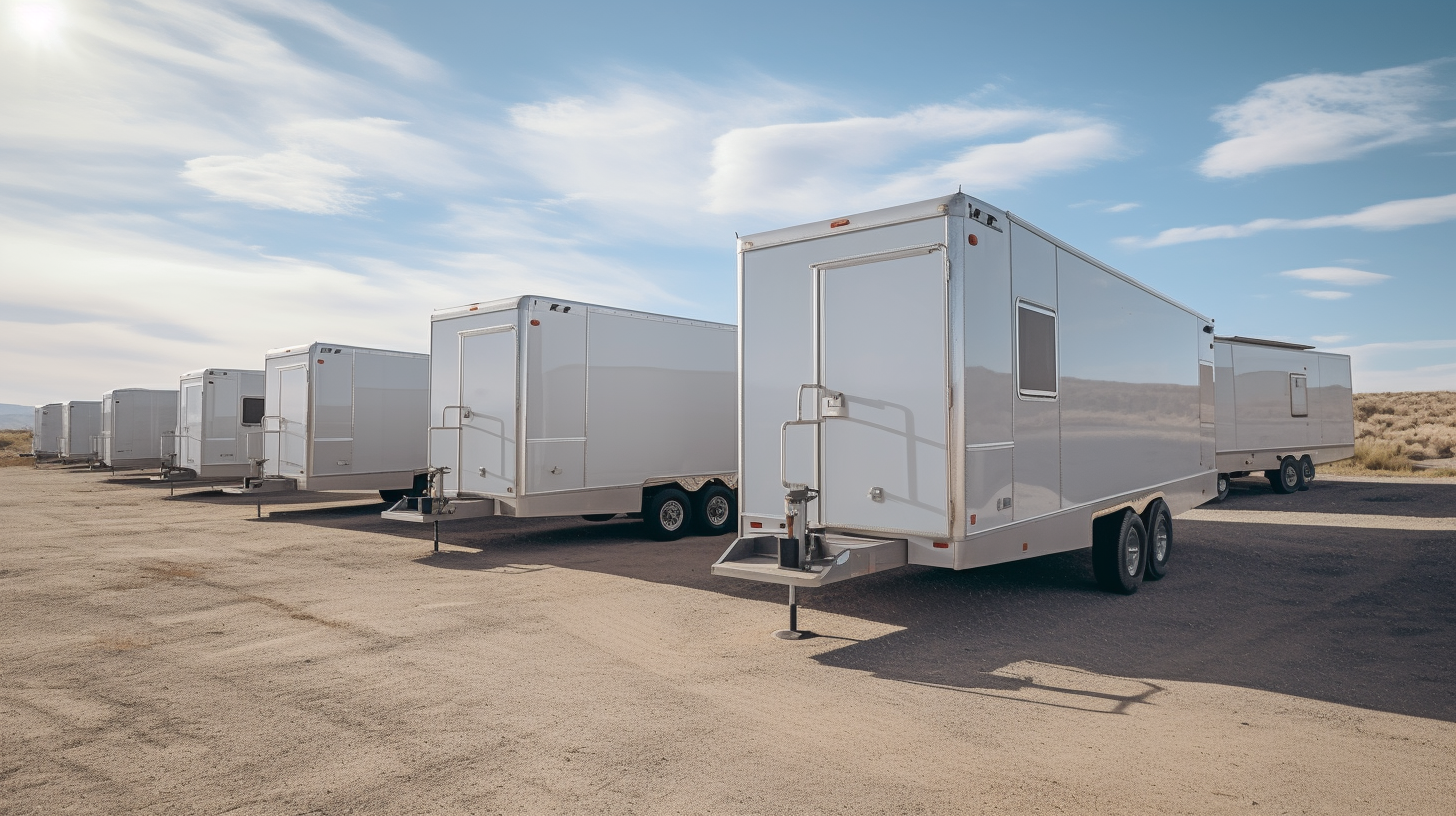
| Enclosed Cargo Trailer | Light to Medium | Weatherproof or secure goods, full household moves | Medium-duty |
| Car Trailer / Car Carrier | Medium to Heavy | Transporting a vehicle with all four wheels off the ground | Medium- to heavy-duty |
| Tow Dolly | Light | Short single-vehicle moves on a budget | Light- to medium-duty |
| Dump / Heavy Utility Trailer | Heavy | Construction debris, dump trailer rentals, heavy equipment | Heavy-duty |
How to Choose the Right Trailer for Your Needs
Start by weighing everything you plan to haul, including the trailer’s own weight — not just the cargo. Then check your tow vehicle’s rated towing capacity against that combined figure; going over it isn’t just risky, in many places it’s also a legal liability issue. Distance, road conditions, and cargo type (open vs. enclosed) round out the decision. If you’re unsure how the numbers stack up for your situation, Sharefox’s ROI and rental calculators give rental businesses — and by extension their customers — a clearer picture of cost versus capacity before booking.
How Trailer Rental Companies Operate Today
From Phone Bookings to Self-Service Platforms
The biggest shift in the trailer rental industry over the past few years isn’t the trailers themselves — it’s how they’re booked. Rental businesses that once relied entirely on staff-run counters are moving toward self-service rental systems that let customers reserve, pay, and even unlock a trailer without waiting for someone to be on-site. This matters for both sides: renters get 24/7 access, and rental businesses can serve more customers without proportionally more staff.
“The rentals that go wrong almost always go wrong before the trailer leaves the yard — the wrong hitch class, no weight distribution, or nobody walking through a pre-trip check,” notes one fleet-operations trainer who audits vehicle rental businesses for a living. “The businesses that catch that at booking time, not at pickup, have far fewer roadside incidents.”
Rental Costs and Pricing Structures
Pricing for a trailer rental usually comes down to a few concrete factors rather than a flat day rate:
Coverage
Damage/liability insurance
Usage Limits
Mileage or distance caps
Equipment
Add-ons like a hitch, straps, or a spare tire
Duration
Hourly, daily, weekly, or seasonal pricing tiers
Businesses running on flexible, duration-based pricing engines can often quote more precisely than flat-rate competitors, which is one reason profitability in trailer rental has improved for operators who’ve moved off manual spreadsheets. As a renter, always ask for a full quote in writing before you sign — insurance and mileage terms are where surprise charges tend to hide.
Customer Reviews and Experiences
Reviews are one of the fastest ways to gauge a rental company’s reliability: how straightforward the booking process is, how well-maintained the trailers are, and how responsive support is when something goes wrong mid-rental. Independent review sites and Google Business Profiles are generally more reliable than testimonials on a company’s own site, since they aren’t curated by the business itself.
Moving Trailer Rental Options
Benefits of Using a Moving Trailer
A moving trailer, towed behind your own vehicle, skips the need to rent (and drive) a separate box truck. That gives you more control over timing and route, and it’s usually the cheaper option for a move that doesn’t fill a full truck. Operators comparing the best trailers for moving and general rental use generally point to enclosed cargo trailers as the middle ground between an open utility trailer and a full truck rental.
How to Use a Trailer for Moving
Match the trailer to the job first — an enclosed cargo trailer for weather protection or higher-value items, an open utility trailer for bulkier, less fragile loads. Load heavier items low and toward the front (over the axle), distribute weight evenly side to side, and secure everything with rated straps. Confirm your hitch and towing capacity cover the trailer’s weight plus your cargo before you leave the yard, not after.
Tips for Hauling with a Trailer
Run a pre-trip check every time: tire pressure on both vehicle and trailer, working lights, and a secure hitch connection. While driving, give yourself longer braking distances and wider turning radius than you would without a trailer attached. If you’re new to towing, practicing reversing in an empty lot before your actual trip makes a noticeable difference in confidence and control.
Truck and Car Trailer Rentals
When to Consider a Truck Instead of a Trailer
If your move exceeds what even a large moving trailer can carry, or your vehicle simply isn’t rated to tow safely, a truck rental from a national provider is usually the more practical route than pushing a trailer setup past its limits.
Choosing Between Car Trailers and Car Carriers
For vehicle transport specifically, a car trailer or car carrier lifts all four wheels of the towed vehicle off the road, which minimizes wear on the towed car. A tow dolly only lifts the front wheels — lighter, cheaper, but only suitable for shorter distances and specific drivetrains.
Understanding Hitch Requirements
Hitch class has to match both your tow vehicle’s rating and the trailer’s loaded weight — mismatching them is one of the most common (and most preventable) causes of towing incidents. Rental businesses covering heavier categories, including dump trailer rentals, typically require proof of an adequate hitch class before releasing equipment. Always confirm your vehicle’s hitch class and tongue weight rating before booking a trailer near the top of what your vehicle can handle.
Conclusion
Summary
Picking the right trailer rental comes down to three things: matching trailer type and weight capacity to your load, confirming your vehicle and hitch can handle it, and choosing a rental company with transparent pricing and solid reviews. Businesses that run on modern, self-service booking systems tend to make that last part easier — clearer quotes up front, fewer surprises at pickup.
Final Tips on Trailer Selection
Calculate total cargo weight first, then work backward to the trailer and hitch class that safely covers it. Decide whether an enclosed trailer’s added protection is worth the extra cost for your load, or whether an open utility trailer or tow dolly is sufficient.
Next Steps
If you’re evaluating a trailer rental for personal use, compare a few local operators on pricing structure and reviews before booking. If you run a trailer rental business and you’re still taking bookings by phone, it’s worth seeing what a self-service booking system does for both your customer experience and your after-hours revenue.
 All in one platform