Skip to main content


Choosing the right trailers is one of the highest-leverage decisions a rental operator makes. Buy the wrong mix and you’ll carry idle assets and thin margins; buy the right mix and every trailer earns its keep. This guide walks through how to pick trailers strategically, structure the business around them, and run the operation efficiently — from fleet composition to the software that keeps bookings, inventory, and invoicing in one place.
Understanding the Trailer Rental Business
Overview of the Trailer Rental Industry
The trailer rental industry is expanding as both individuals and businesses look for flexible, pay-as-you-go transport instead of buying equipment they’ll use only occasionally. Construction crews, landscapers, movers, and weekend DIYers all draw from the same rental pool, which is part of why the industry has stayed resilient even as broader equipment markets cycle up and down.
Digital rental commerce platforms have accelerated this shift. Sharefox, for example, gives rental companies a complete system for managing and scaling trailer and equipment operations — turning what used to be phone calls, spreadsheets, and paper contracts into a single, self-service workflow.
Benefits of Starting a Trailer Rental Business
A trailer rental business has a relatively low barrier to entry compared with other equipment categories, and demand is steady across seasons if your mix is diversified (dump trailers for construction, utility trailers for movers, cargo trailers for events). Modern rental management platforms compound that advantage by:
- Cutting manual admin and reducing human error in bookings and invoicing
- Increasing utilization and revenue per asset through better scheduling visibility
- Letting customers book and check out online, without a staffed desk
- Consolidating inventory, contracts, and payments into one system
The result is a business that scales without your admin overhead scaling at the same rate.
Key Considerations for Renting Trailers
Before you buy a single trailer, get the operational foundation right:
- Register your business and secure the required business license
- Obtain commercial insurance, including general liability coverage — the U.S. Small Business Administration has a clear overview of what most rental operators need
- Draft a business plan covering your target market, fleet mix, and financial projections
- Set up accounting, payment, and ID-verification integrations before you take your first booking, not after
Sharefox’s multiCommerce approach also lets you blend renting, selling, and subscribing under one catalog — useful if you later want to sell off aging trailers or offer subscription access to regular commercial customers.
“The businesses that scale fastest aren’t the ones with the biggest fleet on day one — they’re the ones that know exactly which three or four trailer types their local market actually needs, and build outward from there.” — composite insight from Sharefox rental operator interviews
Types of Trailers for Your Rental Fleet
Flatbed Trailers: Features and Uses
Flatbed trailers are a foundational asset for almost any rental fleet. With an open deck and no sides or roof, they’re built for oversized or awkwardly shaped loads — construction materials, machinery, or vehicles on a car hauler. Because they serve both individual and commercial customers, flatbeds tend to have some of the highest utilization rates in a mixed fleet.
Dump Trailers: Advantages for Renters
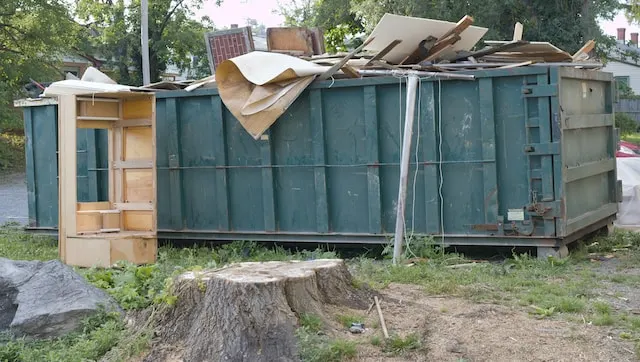
Dump trailers earn their place through sheer efficiency: a hydraulic lift means customers can unload sand, gravel, debris, or landscaping material without manual labor. That makes them a magnet for construction, renovation, and landscaping customers — segments that tend to rent repeatedly across a project rather than just once. For a deeper look at what these trailers involve day to day, see renting dump trailers: what you need to know.
Diverse Fleet: Meeting Local Market Needs
No single trailer type carries a rental business. Beyond flatbeds and dump trailers, most operators round out the fleet with:
- Utility trailers for general hauling
- Enclosed trailers for secure transport of goods
- Equipment trailers for heavier machinery
The right mix depends entirely on local demand, so treat market research as an input to your buying decisions, not an afterthought. It’s also worth weighing whether some trailer types are better rented out short-term versus sold outright as your fleet matures — our breakdown of the pros and cons of renting and selling trailers covers that trade-off in detail.
Trailer Type Comparison
| Trailer Type | Best For | Typical Customer | Maintenance Load | Fleet Utilization* |
|---|---|---|---|---|
| Flatbed | Oversized/irregular cargo, vehicle hauling | Mixed individual + commercial | Low–Medium | High |
| Dump | Sand, gravel, debris, landscaping | Construction, landscaping | Medium (hydraulics) | High (seasonal peaks) |
| Utility | General hauling, moving | Individuals, small business | Low | Medium |
| Enclosed | Secure transport of goods, tools | Commercial, tradespeople | Low–Medium | Medium |
| Equipment | Heavy machinery transport | Construction, industrial | Medium–High | Medium |
*Utilization is a directional guide based on typical rental patterns, not a guarantee — your local market and pricing will shift these figures.
Starting a Trailer Rental Business
Developing a Business Plan
A business plan forces you to answer the hard questions before you’ve spent money: who is your customer, what’s your fleet mix, what does the market charge, and how much capital do you need. At minimum, cover your mission, market analysis, target audience, marketing strategy, and financial projections. Sharefox’s guide on how to create a business plan for a rental business walks through each section with rental-specific examples.
Register Your Business and Legal Considerations
Before you take your first booking, register the business, obtain an EIN, secure your license, and put commercial insurance — including general liability — in place. Rental and leasing agreements carry their own legal nuances, so it’s worth having a lawyer review your standard rental contract once rather than discovering a gap after an incident. Our essential insurance guide for rental businesses is a good starting checklist, and Investopedia’s explainer on general liability insurance is a solid neutral reference if you want the underlying mechanics.
Marketing Strategy to Attract Customers
Start with your target audience, then build messaging around the specific problem your fleet solves for them. Local SEO, social media, and online classifieds tend to outperform broad-spectrum advertising for trailer rentals because most demand is hyper-local. Competitive, transparent pricing and a smooth booking experience do more for repeat business than any single campaign — see our notes on effective pricing strategies for rental businesses.
Fleet Management and Streamlining Operations
Best Practices for Fleet Management
Growth, operational efficiency, and customer service pull in different directions if you’re managing them manually. A unified system for booking, inventory, and invoicing removes a lot of that tension — it reduces manual admin, cuts down on double-bookings and billing errors, and increases the utilization and revenue you get per trailer. Integrations with accounting and payment tools, plus automated digital check-in/out, also make compliance and reconciliation far less painful at scale.
Streamlining Rental Processes
An all-in-one rental commerce platform simplifies everything from the initial booking to ongoing inventory tracking. Self-service check-in/out — powered by integrations with solutions like Sharebox and Inlet — lets you support subscriptions, short-term, and long-term rentals side by side without adding staff. Sharefox’s self-service rentals page details how this works for trailer and vehicle fleets specifically.
Managing Rental Income and Hidden Costs
Profitability in trailer rental comes down to keeping utilization high while keeping hidden costs — maintenance surprises, billing errors, insurance gaps — in check. Robust accounting and payment integrations catch a lot of these before they become losses. If you want a sense of realistic margins before you commit capital, our analysis of how profitable a trailer rental business really is breaks down the numbers.
Building a Local Reputation and Customer Base
Importance of Customer Service in Trailer Rentals
Online self-service — the ability to book and return a trailer independently — has become a baseline expectation, not a differentiator. What still sets operators apart is how the exceptions are handled: a fast response to a damaged trailer, clear communication on availability, and no surprise fees. That’s where local reputation is actually built.
Leveraging Local Market Trends
Trailer rental businesses are often family-run or regional operations, which is an advantage: you understand the local construction calendar, event season, and moving patterns better than a national competitor could. Layer in automation and recurring revenue models (subscriptions for regular commercial renters) and you get both local trust and operational efficiency working together.
Building Relationships with Local Businesses
Referral relationships with construction firms, landscapers, and event planners compound over time — they’re often more cost-effective than paid acquisition. Digital agencies and integration partners also look for reliable software providers with solid APIs, so a trustworthy tech stack indirectly supports these business relationships too. When you’re ready to see the platform in action, you can book a demo to walk through fleet setup for your specific mix of trailers.



 All in one platform