Skip to main content


In today’s fast-paced world, the car rental industry is constantly evolving, and companies that still rely on spreadsheets, phone bookings, or disconnected tools are the ones feeling it most. Car rental reservation software has become the operational backbone that lets rental businesses run tighter, more profitable fleets while giving customers the self-service experience they now expect by default. This article breaks down how these systems work, what to look for, and where the industry is heading — so you can make an informed decision, not just a fast one.

Understanding Car Rental Reservation Systems
To fully grasp the transformative power of car rental reservation software, it helps to understand its core components and how they fit together. These systems are built to simplify complex, moving-part operations — vehicles in transit, contracts, payments, and customer communication — into something a small team can run confidently.
What Is Car Rental Software?
Car rental software is a digital system that manages the full lifecycle of a rental business — from the moment a customer searches for a car to the moment it’s returned and invoiced. It typically combines a public-facing car rental booking software layer with back-office tools for vehicle tracking, contracts, damage inspection, and accounting. Rather than juggling a calendar, a payment processor, and a separate CRM, rental companies use one connected platform to handle bookings, availability, and customer records in real time.
The Importance of a Reservation System
A dependable reservation system is the cornerstone of any car rental operation, big or small. It gives customers a self-service way to check vehicle availability and book a rental car online, any time of day, without a phone call. For the business, it prevents the two things that quietly erode margin: overbooking (renting the same car twice) and idle inventory (cars sitting unbooked because availability wasn’t visible online). Our own guide to car rental software walks through how these systems are typically structured for different fleet sizes.
Key Features of Modern Car Rental Software
Modern platforms bundle a set of features that used to require several separate tools:
- Online booking and real-time availability calendars
- Fleet tracking with telematics or GPS integration
- Digital contracts, e-signatures, and ID verification
- Automated invoicing and accounting software integration
- Damage inspection and check-in/check-out tools
- CRM features for repeat-customer management
Together, these turn car rental management software into a single source of truth for the business — one dashboard instead of five browser tabs.
Benefits of Implementing Rental Software Solutions
Streamlining the Rental Process
Automating the booking-to-return workflow removes a lot of the manual back-and-forth that eats up staff time. Instead of confirming availability by phone, checking a spreadsheet, and typing a paper contract into an accounting tool, the whole sequence — reservation, payment, contract, handover — happens inside one system. That reduces both workload and the kind of small data-entry errors that cause disputes later.
Automating Fleet Management
This is where the “fleet management” half of the equation comes in. With vehicle tracking and telematics integration, rental companies get real-time visibility into where each car is, when it’s due for service, and whether it’s actually available or just looks available on paper. Our vehicle rental fleet management guide goes deeper into how tracking and maintenance scheduling reduce downtime across a fleet.
“The businesses that get the most out of rental software aren’t the ones with the most features switched on — they’re the ones that use fleet data to make weekly decisions: which cars to retire, which locations need more inventory, and where utilization is actually going.” — Asgeir Helland, Rental Software Expert, Sharefox
Enhancing Customer Experience Through Online Booking
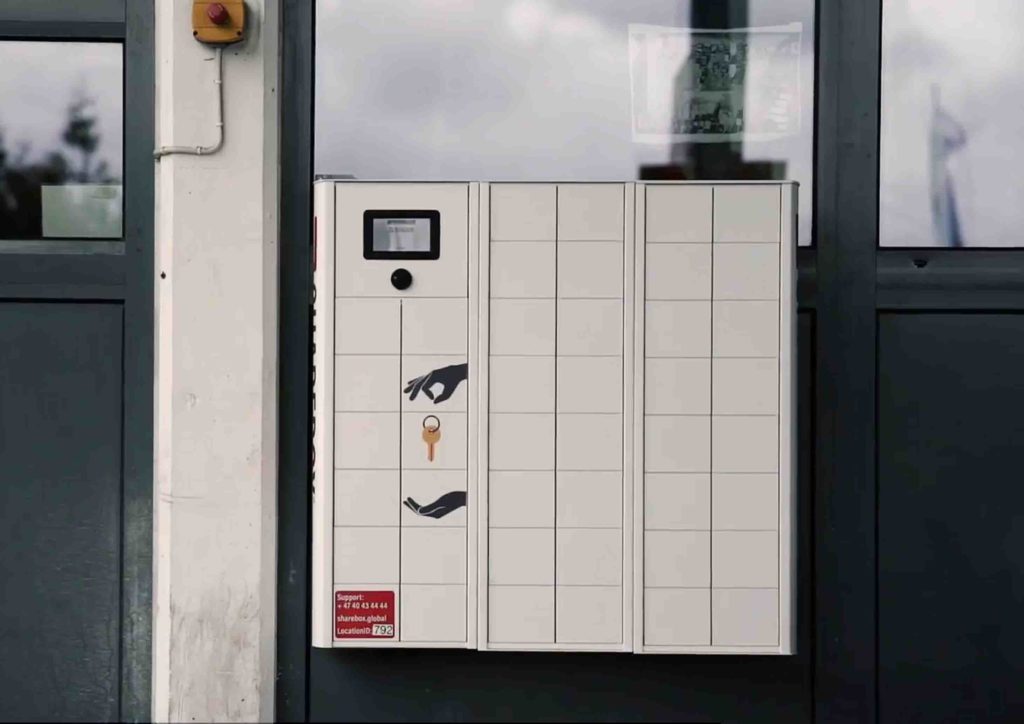
Self-service booking is no longer a nice-to-have — it’s the baseline expectation. Customers want to check availability, book a rental car, and manage or cancel a reservation from their phone, without waiting for a callback. Rental businesses that combine this with self-service, keyless pickup go a step further, letting customers collect a car outside staffed hours entirely.

Choosing the Best Car Rental Management Software
Top Features to Look For
When evaluating car rental software, prioritize features that map to your actual daily operations rather than a long checklist:
- A booking system built for car rental specifically (not a generic appointment tool)
- Fleet and vehicle tracking with maintenance alerts
- Native or connected accounting integration
- CRM and repeat-customer tools
- Reporting that shows utilization, not just revenue
Integrating With Existing Systems
Integration is often the deciding factor between software that gets adopted and software that gets abandoned after three months. The right platform should connect cleanly with your accounting software, payment provider, and any hardware you already use — smart locks, GPS trackers, or key management systems. Sharefox’s own integrations page is a useful reference point for what “connected” should look like in practice.
Evaluating Rental Software Solutions
Beyond feature lists, a proper evaluation should weigh:
| What to Evaluate | Why It Matters | Question to Ask a Vendor |
|---|---|---|
| Ease of use | Staff and customers both touch this daily | Can a new employee book a rental unassisted on day one? |
| Scalability | Fleets grow, locations multiply | Does pricing/performance hold up as your fleet grows? |
| Integration depth | Avoids data silos | Does it connect to your accounting and payment tools natively? |
| Support quality | Downtime costs bookings | What’s the average response time, and in what time zone? |
| Reporting | Drives fleet decisions | Can you see utilization by vehicle, not just total revenue? |
A quick way to sanity-check the financial case before you commit is to run the numbers through a rental ROI calculator, rather than relying on a vendor’s sales estimate alone.
The Future of Car Rental Business
Trends in the Car Rental Industry
The car rental industry keeps shifting toward digital-first, self-service operations. Customers increasingly compare a rental company’s booking experience to Amazon or Uber, not to other rental companies — which raises the bar considerably. Software that supports instant online booking, mobile check-in, and transparent pricing is quickly becoming the norm rather than the differentiator. Our breakdown of what software leading car rental companies actually use shows how larger players are already adapting.
The Role of Car Sharing and Subscriptions in Fleet Management
Car sharing and vehicle subscriptions are increasingly part of the fleet strategy for rental companies, not a separate business line. Renting the same vehicle for shorter, on-demand periods — or as a recurring subscription — improves utilization on cars that would otherwise sit idle between traditional multi-day rentals. Companies exploring this model can find a practical starting point in the car subscription business guide.
Innovations in Reservation Systems
Reservation software keeps adding capability: dynamic pricing that adjusts to demand, tighter mobile booking flows, and — more recently — visibility into how AI-driven search tools surface rental businesses to prospective customers. These shifts don’t replace the fundamentals of a good reservation system; they build on top of a platform that already gets availability, contracts, and payments right.
Case Studies of Successful Rental Companies
How Software Solutions Transformed Operations
Rental companies that move from manual, phone-and-spreadsheet processes to a connected reservation platform consistently report the same pattern: fewer double-bookings, faster staff onboarding, and clearer visibility into which vehicles are actually earning their keep. The gains tend to show up first in admin hours saved, and later in improved fleet utilization once managers start acting on the reporting.
Lessons Learned From Leading Rental Companies
A few lessons come up repeatedly among businesses that have gone through this transition:
- Start with the booking experience — it’s the first thing customers judge you on.
- Don’t bolt tracking on later; build it in from day one to catch maintenance issues early.
- Pick software with real accounting integration, not just an export button.
- Reporting only helps if someone on the team actually reviews it weekly.
Impact on the Overall Rental Business
The broader impact of adopting proper reservation software isn’t just operational — it’s competitive. Businesses that reduce admin overhead and remove booking friction free up time and budget to compete on service and price, rather than just keeping the lights on. For companies weighing whether the investment pays off, it’s worth reading how profitable a car rental business actually is with and without this kind of software in place, before deciding on a platform. If you want to see this in practice, you can start a free trial or book a demo to walk through it with your own fleet data.

 All in one platform