Skip to main content



A scratched bumper nobody logged. A dashboard warning light no one caught before the keys changed hands. A dispute over “pre-existing damage” that eats up an afternoon and a customer relationship. For fleet managers and car rental operators, these aren’t edge cases — they’re the daily cost of an inspection process that still leans on memory, a paper checklist, and a rushed walk-around.
Inspection tools exist to close that gap. Done well, they turn a vague “the car looked fine” into a timestamped, photographed, defensible record — before, during, and after every rental. This guide breaks down the tools, the people who use them, and the technology now reshaping how rental operators protect their vehicles, their margins, and their customers.
Understanding inspection tools in fleet management
Inspection tools are the instruments — physical and digital — that let a rental operator verify a vehicle’s condition and roadworthiness at each handover. Their job is simple to state and hard to execute consistently: catch a defect before it becomes a liability, a safety incident, or a billing dispute.
Types of inspection tools used in fleet management
A modern fleet inspection toolkit typically spans three layers:
- Physical diagnostic tools — tire tread gauges, fluid dipsticks, OBD-II code readers, brake and light testers.
- Visual documentation tools — inspection cameras, 360° photo capture, damage-mapping apps.
- Digital rental and inspection platforms — the software layer that ties bookings, ID verification, condition reports, and payments together so nothing falls through the cracks.
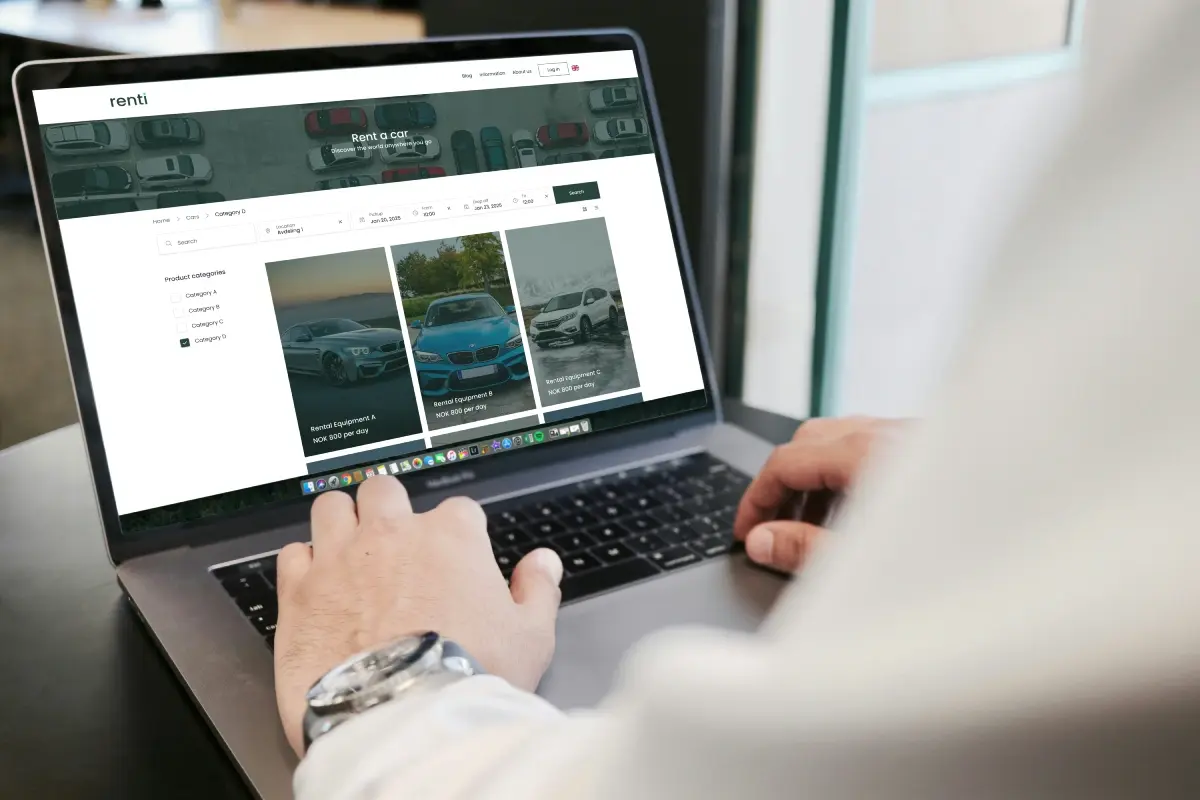
That third layer is where fleet operators are seeing the biggest operational shift. Rental management platforms such as Sharefox are built specifically to standardize this process across car, vehicle, and mobility fleets:
| Sharefox platform area | What it covers |
|---|---|
| Operator types | Vehicle, equipment, tool, and self-storage rental businesses |
| Core modules | Booking and inventory management, subscription services |
| Rental capabilities | Short and long-term rental, plus self-service check-in/out |
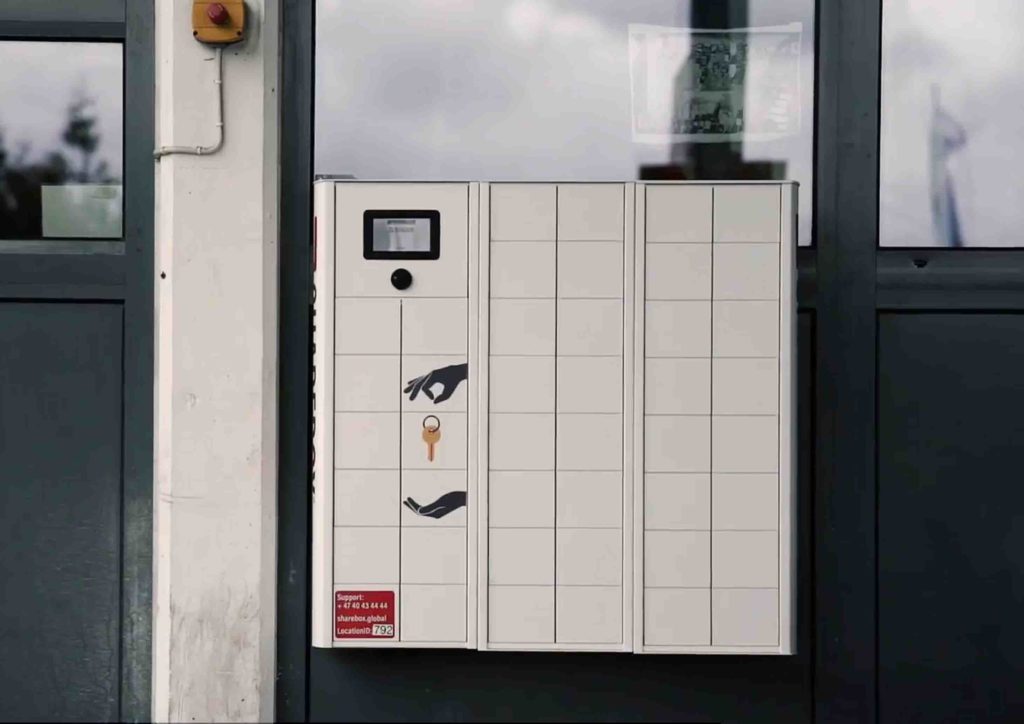
| Key integrations | Sharebox and Inlet smart-lock hardware, payments and accounting |
Systems like this don’t replace the physical tools an inspector carries — they give those findings a permanent, searchable home.
Why inspection equipment matters for vehicle safety
For mobility managers balancing customer experience, compliance, and operational efficiency, inspection equipment is the mechanism that makes all three possible at once. Automating check-in/out with digital tools — and pairing it with ID verification and integrated payments — strips out manual admin and the human error that comes with it.
The payoff shows up in three places: hazards and defects get caught earlier, vehicles turn around faster between rentals, and the digital handover experience itself signals a modern, trustworthy brand to the customer standing at the counter or scanning a QR code at the curb.
Choosing the right inspection tool for your fleet
The right choice depends less on brand names and more on fit: does the tool support self-service without sacrificing thoroughness? A good inspection workflow should let customers complete parts of the check independently — building convenience and trust — while still capturing the data your team needs. Platforms with built-in booking, payments, and accounting reduce the number of disconnected systems an inspector has to reconcile, which is often where issues get missed in the first place.
The role of inspectors in fleet management
Qualifications and skills of a fleet inspector
A capable fleet inspector combines mechanical knowledge with process discipline. They understand vehicle systems, safety regulations, and how to operate the inspection tools available to them — but their real value is consistency: applying the same rigorous standard to the fifth inspection of the day as to the first. According to the U.S. Bureau of Labor Statistics, most automotive service and inspection roles require a mix of formal training and hands-on certification, reflecting how specialized this work has become (see Sources below).
Daily responsibilities of a vehicle inspector
Day to day, inspectors are the ones executing the check-in/out process — increasingly a digital one that lets customers book and return vehicles with minimal staff involvement. That means verifying ID, confirming payment, and running through a condition check that’s fast enough not to create a queue, but thorough enough to catch a defect before the next customer drives away. Sharefox’s guide on fleet management for vehicle rental walks through how this workflow is typically structured.
How inspectors affect vehicle reliability
“The fleets that perform best aren’t the ones with the newest cars — they’re the ones where every handover is documented the same way, every time. That consistency is what actually prevents costly disputes and keeps vehicles road-ready.” — Asgeir Helland, Sharefox
Reliable inspection habits compound. A fleet inspected thoroughly and consistently develops fewer surprise breakdowns, shorter idle time between rentals, and a service reputation that customers notice — especially when courtesy or loaner vehicles are involved, where trust matters even more (see Sharefox’s guide to courtesy car management).
Home inspection tools and their relevance
Common home inspection tools and their uses
Home inspectors rely on a different but philosophically similar toolkit:
| Tool | Purpose |
|---|---|
| Moisture meter | Detects leaks and water damage |
| Electrical tester | Checks circuits for proper function |
| Infrared camera / thermometer | Identifies temperature anomalies (energy loss, hidden problems) |
Comparing home inspection tools to vehicle inspection tools
| Inspection type | Specific tool applications |
|---|---|
| Home inspection | Moisture meters for leak detection, infrared cameras for thermal anomalies in structures |
| Vehicle inspection | Mechanical components, fluid levels, tire condition, and automotive-specific digital diagnostics |
Both disciplines lean on visual inspection — often supplemented by cameras — and both demand attention to hazards and structural integrity, even though the object being inspected couldn’t be more different.
Where home inspection tools cross over into fleet management
A few tools travel well between the two worlds. An infrared camera built for spotting insulation gaps in a house can just as easily flag an overheating component in a larger fleet vehicle or a maintenance bay. A moisture meter designed for home inspections can catch a leak in a garage or storage facility before it damages parked vehicles or equipment. For operators who also manage self-storage assets alongside their fleet, this crossover is worth building into a broader facility maintenance routine.
Essential personal protective equipment (PPE) for inspectors
PPE required for vehicle inspections
Inspectors need PPE suited to the specific hazards of a vehicle bay: safety glasses or goggles against debris, work gloves against cuts and chemical exposure, sturdy work boots, high-visibility vests in busy lots, and — where fumes or airborne particles are a factor — a properly fitted respirator. OSHA’s PPE standards outline the baseline requirements employers should be working from (see Sources below).
Why safety gear matters for inspectors
Correctly used PPE isn’t a compliance checkbox — it’s what lets an inspector focus fully on the vehicle in front of them instead of the risk around them. That focus is what actually catches defects before they become injuries or breakdowns.
Best practices for using PPE
PPE only protects when it’s in good condition and worn correctly, every time. That means routine checks for wear or damage, prompt replacement when needed, and treating PPE maintenance as part of the inspection process itself, not an afterthought.

Advanced inspection tools and technology
Inspection cameras: enhancing vehicle assessment
Flexible-probe inspection cameras with high-resolution imaging let inspectors see into engine bays, chassis components, and other hard-to-reach areas without disassembly — cutting inspection time while improving accuracy. This is the same principle Sharefox applies at the software layer: giving inspectors a clear, documented view of condition at every handover, whether the fleet is cars, motorcycles, or motorhomes.
Electrical testers in fleet maintenance
Multimeters and circuit testers let inspectors measure voltage, resistance, and current — catching faulty wiring, failing sensors, or battery issues before they strand a customer. Regular electrical testing is a core part of a proactive maintenance strategy rather than a reactive one.
Where inspection tools in vehicle management are headed
AI, machine learning, and IoT sensors are steadily moving fleet inspection from a point-in-time check to continuous, predictive monitoring — flagging likely failures before a vehicle is even due for its next rental. Platforms like Sharefox are building toward that future today, combining self-service booking, ID verification, and payments into one system so operators of any size can run a tighter, safer inspection process. If you’re ready to see how that works for your fleet, you can book a demo or explore pricing.

 All in one platform