Skip to main content



Starting a real estate business without significant capital might sound like a contradiction — real estate is, after all, one of the most capital-intensive industries in the world. But the business of real estate and the ownership of real estate are two very different things. You don’t need to buy property to build a real estate business; you need a license, a network, and a plan. This guide walks through exactly how to do that, step by step, with realistic timelines and no false promises.
“The agents who make it without capital aren’t the ones who wait for a big break — they’re the ones who treat their early months like an apprenticeship, not a payday.” — a veteran real estate broker mentoring new agents in a mid-size brokerage
Understanding the Real Estate Business
Overview of the Real Estate Industry
The real estate industry covers the purchase, sale, management, and development of real property, and it remains one of the largest contributors to most national economies. For a new entrepreneur, the entry point isn’t ownership — it’s service: helping others buy, sell, lease, or manage property. Understanding the dynamics of your local market — inventory levels, average days-on-market, typical commission splits — is what separates a durable business from a short-lived side hustle.
Types of Real Estate Businesses
There isn’t one path into this industry. You can become a real estate agent working residential or commercial sales, a property manager overseeing rentals on behalf of owners, or an investor working deals such as wholesaling or lease-options that require negotiation skill rather than cash. Each model has a different capital requirement, a different timeline to first income, and a different day-to-day rhythm — which is why picking the right one matters more than hustling harder at the wrong one.
Key Terms and Concepts
Before going further, it helps to be fluent in the vocabulary: brokerage (the licensed business a real estate agent operates under), leasing (renting out property on behalf of an owner), and fair market value (what a property would sell for under normal conditions). If you’re specifically drawn to the rental side of the business rather than sales, it’s also worth understanding how rental property companies are structured — the operating model overlaps more with real estate than most new entrepreneurs expect.
Business Ideas for Starting a Real Estate Business
Creative Strategies with No Initial Investment
Most people assume real estate requires a large capital reserve. In practice, the businesses inside real estate that scale fastest with no money are service-based: referral partnerships, transaction coordination, virtual assistance for agents, or lease-only property management. If you’re still deciding on a niche, it’s worth reviewing a broader list of low-capital business ideas — many of the same bootstrapping principles that work in equipment and property rental apply directly to real estate services.
Leveraging Partnerships and Collaborations
Partnering with an established agent or broker is often the fastest way in. You take on tasks — open houses, lead follow-up, listing photography coordination — that free up a senior agent’s time, and in exchange you learn the local market, build your network, and often earn a referral fee or split. This is functionally an apprenticeship with income potential, and it requires no capital beyond your time.
Utilizing Online Platforms and Technology
A professional website, a Google Business Profile, and a presence on listing sites cost little to nothing and do the heavy lifting of client acquisition. A free-tier CRM keeps your leads organized without a software budget. If you want a structured breakdown of channel-by-channel tactics, this marketing strategy guide — written for asset-based businesses but equally applicable to real estate services — covers the sequencing of paid vs. organic channels well.
Creating a Business Plan
Defining Your Business Model
A clear business model is non-negotiable, even (especially) with minimal startup costs. Decide upfront which transactions you’ll pursue and how you’ll get paid:
| Business Model | Typical Startup Capital | Time to First Income | Core Skill Required | Best Fit For |
|---|---|---|---|---|
| Real Estate Agent (residential) | Low — license fees only | Several months to first closing | Sales & negotiation | People who want licensed, commission-based income fast |
| Property Manager | Low–medium — insurance, minor tooling | A shorter runway (fees can start on signing) | Operations & organization | Detail-oriented operators who prefer recurring income |
| Investor (wholesaling / assignment) | Near-zero — contract-based, no purchase required | Varies deal by deal | Deal-sourcing & negotiation | Networkers comfortable with uncertainty |
| Broker Referral Partner | Near-zero | Often the fastest path to first income | Relationship-building | New entrants leveraging an established agent’s client base |
Setting Goals and Objectives
Set milestones that reflect the model you chose above: your first signed client, your first closed transaction, your first repeat referral. Long-term, that might mean expanding into multifamily property management or growing into a full-service brokerage — but the short-term milestones are what actually keep a no-capital business afloat in its early stages.
Budgeting and Financial Planning
Even a low-capital business has real costs: license fees, exam fees, MLS access, basic marketing materials, and errors & omissions insurance. Map these against expected referral fees or first commissions so you know your break-even point before you start. If you want a step-by-step budgeting framework, the U.S. Small Business Administration’s business plan guide (linked in Sources below) is a solid, free starting point, and this downloadable step-by-step guide walks through the same sequencing for asset-light service businesses.
Becoming a Real Estate Agent
Necessary Qualifications and Licenses
Licensing is the one cost you cannot avoid. In most U.S. states, the path looks like this:
- Complete state-approved pre-licensing coursework.
- Pass the state licensing examination.
- Affiliate with a licensed sponsoring broker (required in nearly every state before you can practice).
Requirements vary meaningfully by state and country, so confirm the specifics with your local real estate commission before budgeting your timeline.
Building Your Network
In real estate, your network functions as your pipeline. Local real estate associations, community events, and even social platforms are where referrals actually originate. This is the one area where a no-money strategy can outperform a well-funded one — relationships compound, and they’re free to build.
Marketing Yourself Effectively
A distinct personal brand — a niche, a tone, a specific promise to clients — beats generic “full-service agent” positioning every time in a saturated local market. A consistent, low-cost newsletter is one of the most underused tools here: it keeps past clients warm for repeat business and referrals without any ad spend, similar to the approach outlined in this email marketing playbook.
Exploring Brokerage Options
Understanding Brokerage Types
Brokerages range from traditional full-service firms with heavy training and support (and correspondingly lower commission splits) to independent or virtual brokerages with minimal overhead and higher splits but less hand-holding. For a new agent with no capital cushion, the training and lead-support of a traditional brokerage often outweighs the lower commission split in the early going.
Choosing the Right Brokerage for You
Evaluate reputation, training quality, commission structure, and whether the brokerage actively supports new agents with leads. This decision affects your income more than almost any other choice you’ll make when starting out, so treat brokerage selection with the same rigor you’d apply to picking a business partner — because that’s effectively what it is.
Negotiating Commission Structures
Standard splits exist, but they are not fixed. New agents with a strong early-days plan, a niche specialty, or an existing referral pipeline often have more negotiating leverage than they assume. Ask directly about the path from a new-agent split to a more favorable one, and get the milestones in writing.
Utilizing Newsletters and Online Marketing
Creating an Engaging Newsletter
A simple, consistent newsletter — market updates, new listings, a property investment tip — keeps you top-of-mind without ongoing spend. It’s one of the highest-ROI, lowest-cost tools available to a new agent, and it directly supports repeat business and referrals.
Building an Online Presence
A basic, search-optimized website functions as a 24/7 storefront. If you’re unfamiliar with the fundamentals of ranking a small business site locally, this SEO primer covers the keyword and structure basics that apply just as well to a solo real estate practice as to any local service business. Pair that with directory listings (Google Business Profile, Zillow, Realtor.com) to widen discoverability without ad spend.
Using Social Media for Promotion
Instagram, Facebook, and LinkedIn let you showcase listings, share market commentary, and build a recognizable brand at zero media cost — only time. Consistency matters far more than production value here; a regular market update filmed on a phone will outperform a polished post published only rarely.

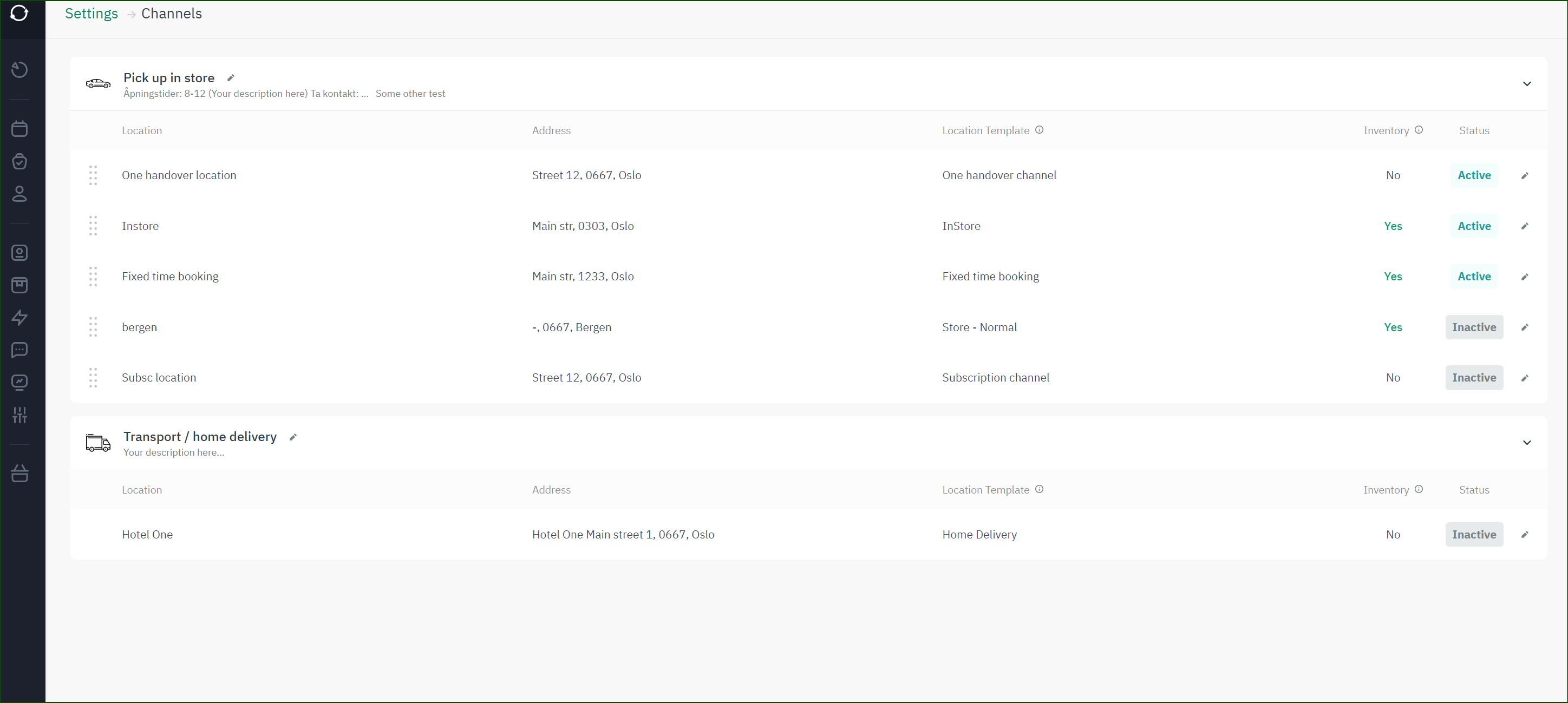
 All in one platform