Skip to main content


In today’s dynamic market, optimizing operations and enhancing customer experience are paramount for any self-storage business. This article explains how a robust rental and subscription management system can revolutionize your self-storage facility — driving efficiency, profitability, and customer satisfaction through automation and strategic resource management.

Understanding Self Storage and Its Benefits
What Is Self Storage?
Self storage refers to facilities that rent out individual units to consumers and businesses, providing secure space for anything from household goods to business inventory and important documents. According to the Self Storage Association (SSA), the industry has grown into a multi-billion-dollar sector precisely because it solves a simple, recurring problem: people and businesses regularly need more space than they have.
A rental and subscription management system like Sharefox gives operators the digital infrastructure to manage these unit rentals end-to-end — from the first search to booking, access, billing, and eventual move-out — without manual admin at every step.
Benefits of Using Self Storage Units
For a modern self-storage or property manager focused on growth, the appeal of the self-storage model comes down to a few durable advantages:
- Recurring revenue through consistent, renewing leases rather than one-off transactions.
- 24/7 self-service access, which customers increasingly expect and operators can now deliver without staffing every hour.
- Operational leverage — the ability to automate booking, invoicing, and access so one team can run more units, or more sites, without proportional headcount growth.
A positive customer experience and a strong digital presence are central to expanding reach and securing more long-term renters.
Finding Self Storage Units Near You
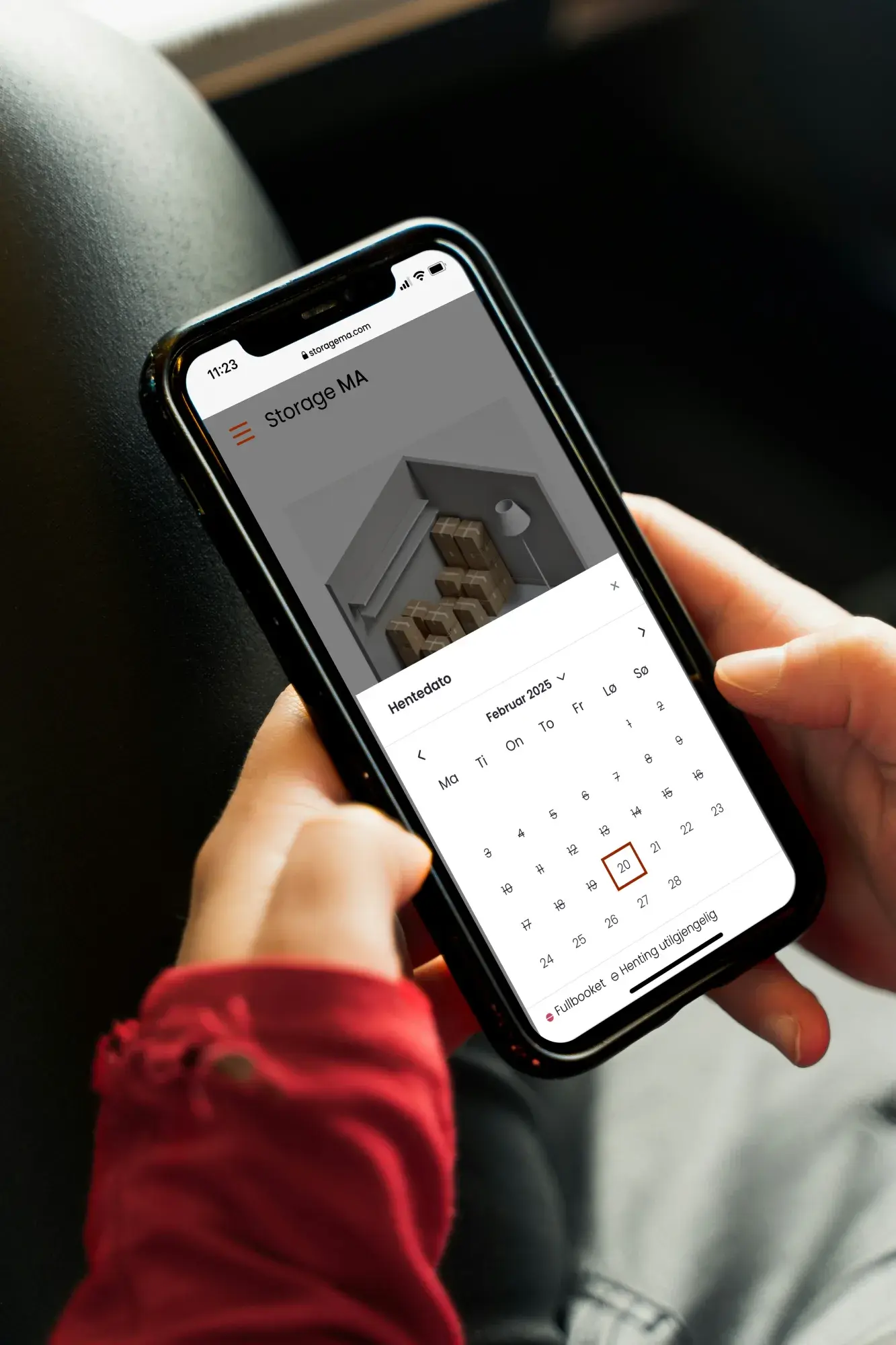
The process of finding self storage units has been transformed by digital platforms. With systems like Sharefox’s self-service storage software, customers can search, compare, and book available space in minutes rather than calling a facility during office hours. This supports a range of use cases:
- Personal storage
- Business and inventory storage
- Vehicle, RV, and boat storage
Letting customers book and manage their own unit — with minimal friction — has become a baseline amenity rather than a nice-to-have.
Choosing the Right Storage Unit
Different Unit Sizes and Types
Selecting the right storage unit is a genuinely important decision for the customer, and operators need a diverse range of options to meet different needs — from a small locker for documents to a large climate-controlled unit for sensitive goods. A platform that manages this catalog cleanly, with accurate availability and pricing, directly affects conversion and customer satisfaction.
Using a Size Guide for Your Storage Needs
A clear, visual size guide is one of the highest-leverage, lowest-cost improvements a facility can make to its website. It should show real dimensions and typical contents for each unit size, so customers can self-select the right space instead of guessing. Done well, this reduces both under-renting (belongings don’t fit) and over-renting (customers pay for space they don’t need) — both of which show up later as complaints or churn.
Evaluating Storage Space Options
Customers weigh more than square footage. Security, accessibility, and climate control all factor into the decision, alongside contract flexibility — month-to-month leases versus fixed terms, for example. Transparent, detailed listings that clearly describe these features build trust before a customer ever picks up the phone, which matters both for conversions and for how facilities are perceived in reviews and local search.
Implementing Rental and Subscription Management Systems
Features of an Effective Management System
An effective system — such as Sharefox’s rental booking software — should give self-storage operators a single platform covering both consumer (B2C) and business (B2B) customers. In practice, that means:
- Self-service booking and check-in/out
- Flexible pricing and billing for both one-off and recurring rentals
- Integrations for accounting, payments, and ID verification
- Support for multiple rental models — subscriptions, short-term, and long-term — within one system
- Reporting and analytics operators can actually act on
The goal isn’t just “more features” — it’s fewer separate tools and less manual reconciliation between booking, invoicing, and access control.
Automation Benefits for Storage Facilities
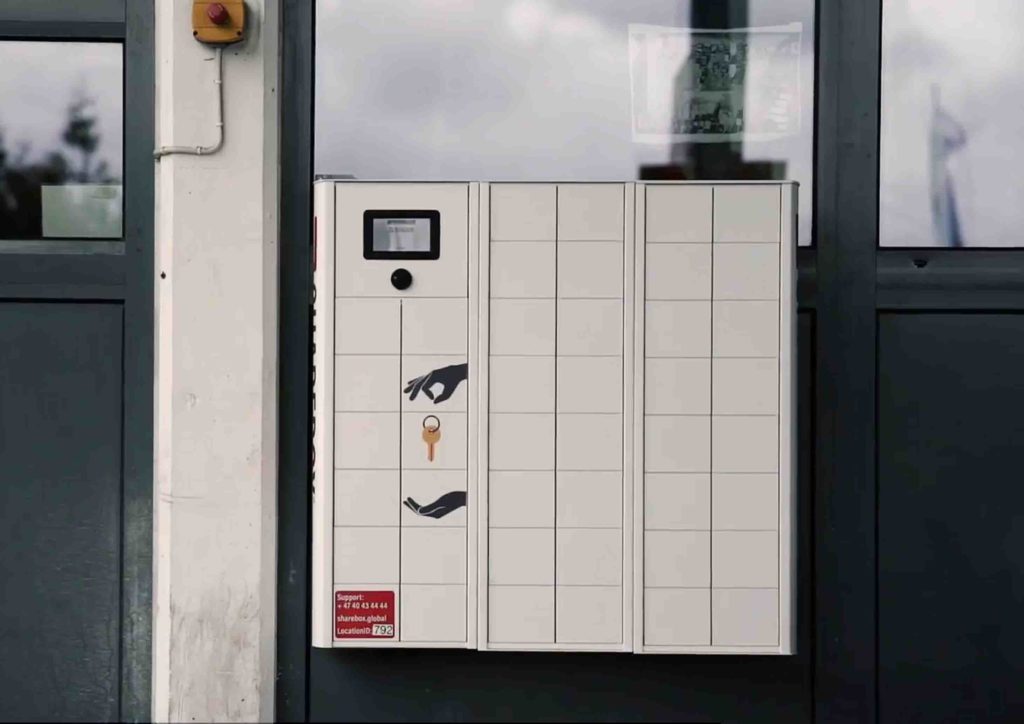
Automation changes the operating model of a self-storage business more than almost any other investment. Automating online booking, payment, and access/lock systems lets a facility reduce its dependence on staff or a physical reception desk. That, in turn, lets operators expand into new sites with far less administrative overhead per location, while still managing subscriptions and long-term agreements consistently across all of them.
“The facilities that scale fastest aren’t the ones with the most staff — they’re the ones where a customer can rent a unit, get their access code, and move in without anyone from the team getting involved at all.” — Self-storage operator, on adopting self-service rental software
Case Study: Digitizing Operations at a Real Self-Storage Facility
Opbevaring.nu, a self-storage operator running on Sharefox, illustrates what this looks like in practice. By moving booking, contracts, and access management onto a single self-service platform, the facility is able to let customers reserve a unit, sign the rental agreement, and get access — all online, without requiring on-site staff for routine rentals. It’s a concrete example of the automation-and-convenience trend playing out for an operator of exactly this kind, rather than a theoretical benefit.

Optimizing Your Self-Storage Operations
Strategies for Efficiency in Storage Facilities
To optimize operations, a self-storage or property manager should focus on integrating booking, inventory, and invoicing into a single, cohesive system — minimizing manual admin and human error. Done right, this lets a customer move into their unit without the manager needing to deviate from their schedule at all: the system, not a person, handles the handoff.
Marketing Techniques to Attract Nearby Customers
Attracting customers requires highlighting the things they actually search for: convenience, accessibility, and specific amenities. Showcasing available unit sizes, climate-controlled options, and security features through local search and paid channels helps potential renters find a facility. Emphasizing 24/7 access, month-to-month flexibility, and a frictionless online booking flow positions a facility as the easier choice versus a competitor that still requires a phone call.
Utilizing Customer Feedback for Continuous Improvement
Continuous improvement depends on actually using the feedback customers give — about unit size accuracy, climate control performance, and how easy the rental process was. That feedback loop should shape which storage offers get promoted and which operational gaps get fixed first, rather than being collected and left unread.
Traditional vs. Automated Self-Storage Management
The table below summarizes the practical difference between running a facility manually and running it on a rental and subscription management platform.
| Operational Area | Traditional / Manual Management | Automated Rental & Subscription System |
|---|---|---|
| Booking | Phone or in-person only; office hours limited | 24/7 online booking and instant confirmation |
| Access & entry | Physical key handoff, on-site staff required | Automated digital locks, remote access management |
| Billing | Manual invoicing, chasing late payments | Automated recurring billing and payment retries |
| Contract types | Usually fixed-term leases only | Mix of subscriptions, short-term, and long-term in one system |
| Staffing model | Staff needed at each site during opening hours | Centralized team can support multiple sites remotely |
| Scaling to new sites | High administrative overhead per new location | Marginal overhead; same system, new inventory |
| Reporting | Manual spreadsheets, delayed visibility | Real-time occupancy and revenue analytics |
Future Trends in Self Storage
Technological Advancements in Storage Solutions
Technology continues to reshape self-storage, with self-service check-in/out, automated access and lock systems, and online-first booking becoming the expected baseline rather than a differentiator. The direction of travel is clear: more of the rental lifecycle moves online, and less of it requires a person on-site.
Nationwide Trends in Self-Storage Demand
Industry data from the Self Storage Association and market researchers such as IBISWorld consistently point to steady demand growth as urbanization continues and lifestyles change. Customers increasingly look for facilities offering flexible, month-to-month terms, a range of unit sizes, and climate control — available near where they live or work.
Adapting to Changing Customer Needs in Storage Space
Operators are increasingly moving toward subscription-based or hybrid rental models, prioritizing a strong digital presence and a frictionless customer experience. Convenience — letting customers manage everything online, from search to lease to move-out — is now the baseline expectation, not a differentiator. Facilities that invest in a proper rental and subscription management system are the ones best positioned to meet that expectation at scale.

 All in one platform