Skip to main content


Buying rental management software is one of those decisions that quietly determines how the next five years of your business will feel — smooth and scalable, or held together with spreadsheets and sticky notes. The rental industry has moved fast: customers now expect the same self-service convenience they get from e-commerce, while operators need a system that handles bookings, inventory, invoicing, and compliance without adding headcount.
This guide walks through what actually matters when evaluating rental software, based on how leading platforms like Sharefox’s all-in-one rental commerce platform are built, and on how experienced rental operators describe their own buying process.
“The businesses that win in rental aren’t the ones with the most assets — they’re the ones that make renting effortless for the customer and boring (in the best way) for the operator.” — a sentiment echoed across multiple rental-industry operator interviews and consistent with McKinsey’s findings on subscription and access-based business models (see Sources below).
Understanding Rental Management Software
What Is Rental Software?
Rental software, sometimes called rental management software, is a specialized digital platform built to run and optimize the day-to-day operations of a rental business. Instead of juggling spreadsheets, paper contracts, and a patchwork of apps, operators use one system to handle bookings, inventory, pricing, invoicing, and customer communication.
Sharefox is one example of a comprehensive digital rental commerce platform built for both B2C and B2B rental operations. It combines self-service booking, flexible pricing, and full ecosystem integrations into a single rental management system — the kind of setup that turns a multi-step manual process into a few clicks.
Types of Rental Management Software
Not every rental business looks the same, and neither does the software built for it. Broadly, rental software solutions fall into a few categories based on the assets and rental models they support:
- Equipment, tools, vehicle, and self-storage rental operators
- Subscription, short-term, and long-term rental models, including hybrid setups that mix rental with sales and service bookings
Platforms designed for this range of use cases — such as Sharefox’s rental software for construction, vehicle, and outdoor equipment operators — centralize otherwise fragmented workflows, which matters most once a business starts operating across multiple sites or asset types.
Benefits of Using Rental Software Solutions
The core benefit of rental software is consolidation: booking, inventory management, and invoicing move into a single system, cutting down manual admin and the human error that comes with it. Beyond that, modern platforms typically offer:
- Seamless integration with accounting and payment solutions
- Automated check-in/check-out with digital tools
- Independent booking and returns for customers, with no staff intervention required
- Online booking and payment for self-storage units, with automated access and lock control
The net effect is faster turnaround, less idle inventory, and a more modern customer-facing brand. Done well, it also means a business can open new locations without a proportional increase in administrative overhead — a genuinely different growth curve than the manual-process alternative.
Manual Process vs. Rental Software: A Quick Comparison
| Task | Manual / Spreadsheet Approach | Dedicated Rental Software |
|---|---|---|
| Booking management | Phone calls, email, shared calendars | Real-time online self-service booking |
| Inventory tracking | Manual counts, static spreadsheets | Live asset and inventory tracking |
| Invoicing & payments | Manually generated invoices, delayed collection | Automated invoicing with payment integrations |
| Check-in / check-out | Staff-dependent, in-person only | Digital, self-service, 24/7 |
| Multi-site expansion | Heavy admin overhead per new site | Centralized system scales across locations |
| Reporting & analytics | Manual exports, delayed insight | Real-time dashboards and utilization data |
This isn’t a case against spreadsheets for a brand-new, single-location operation — plenty of businesses start there. It’s a picture of where the ceiling is, and how quickly a manual process starts costing more in staff time than the software would in subscription fees.
Key Features of Rental Software
Asset Management Capabilities
Effective asset management is central to a profitable rental business. Rental software should give a clear, real-time view of an entire fleet — equipment, tools, vehicles, or self-storage units — including where each asset is, when it’s due back, and whether it needs maintenance. This kind of booking and inventory management reduces downtime and helps operators plan proactively instead of reactively.
Customer Management and CRM Integration
Repeat business in rental depends on how easy the experience is, not just how good the product is. Strong rental software centralizes customer data and interactions, and increasingly includes features like ID verification and self-service check-in/out. Automating these steps reduces administrative load while giving customers more flexibility — a combination that tends to show up directly in retention numbers.
Invoicing and Payment Processing
Rental software should consolidate invoicing into one system and support advanced pricing configurations for different rental models — daily, subscription, or long-term. Integrations with accounting and payment providers (for example, Sharefox’s integrations with Visma and Nets) keep billing accurate and speed up collection, which matters directly for cash flow.
Choosing the Right Rental Software
Assessing Your Business Needs
Different roles inside a rental business tend to prioritize different things:
- A rental operator usually wants a unified system to simplify booking, inventory, and invoicing, and to reduce manual admin.
- A mobility manager often prioritizes customer experience, compliance, and automating check-in/out.
- A self-storage or property manager typically cares most about 24/7 self-service, automated access control, and recurring revenue.
Identifying which of these describes your situation — or which combination does — is the real starting point before looking at any vendor.
Evaluating Software Solutions
When comparing vendors, look past the feature list and check whether the platform is actually built for your growth stage. Sharefox, for instance, positions itself for the SMB and mid-market segment, with a focus on ecosystem integrations — accounting, payments, and ID verification — including named integrations like Visma, Nets, and Criipto. That level of specificity (naming actual integration partners, rather than “seamless integrations” as a vague claim) is a reasonable signal of a platform that’s been built out rather than just marketed.
Understanding Rental Intelligence and Analytics
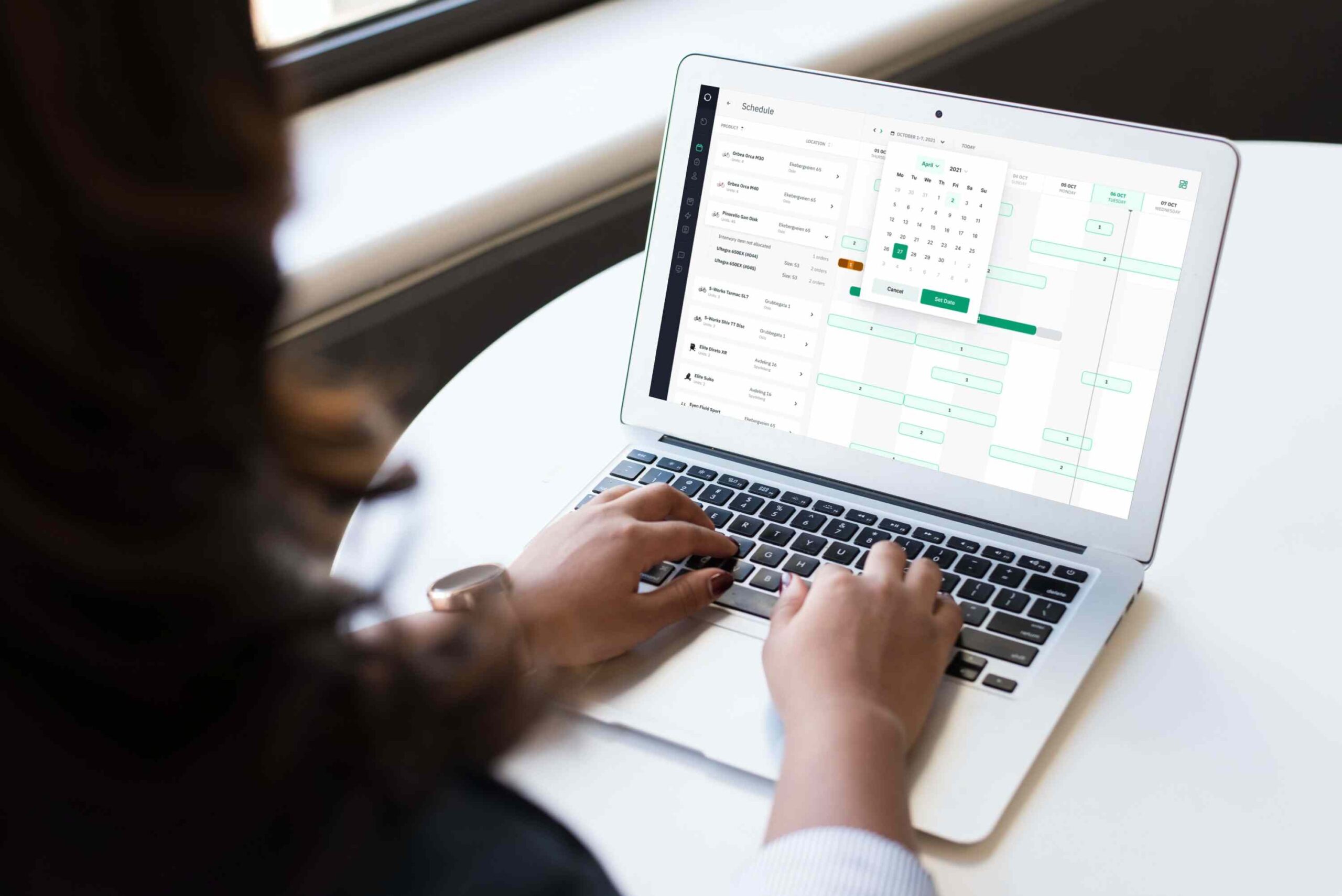
A rental platform’s dashboard should do more than display numbers — it should help you act on them. Look for analytics that track asset utilization, revenue per asset, and customer behavior over time. This is where a rental booking and inventory system earns its cost: not in the booking itself, but in the pricing and inventory decisions the data makes possible afterward.
Streamlining Rental Operations
Automating Processes with Rental Management Software
Automation is where rental software pays for itself fastest. Self-service check-in/out — enabled through smart-lock or digital-access integrations — removes staff from the most repetitive part of the rental cycle, cutting both labor cost and the chance of manual error.
Integrating with Accounting and Other Tools
A rental platform is only as useful as the systems it connects to. Look for direct integrations with accounting software, payment gateways, and identity verification tools, since these are the connections that determine how much manual reconciliation your team still has to do each month. According to industry analysis of subscription and access-based business models, integration depth is one of the clearest differentiators between platforms that scale smoothly and those that create new administrative bottlenecks as they grow.
Creating a Dashboard for Rental Management
A well-designed dashboard should give you, at a glance, the state of your inventory, your customer activity, and your financial performance. This is the layer that turns rental software from “a booking tool” into an actual management system — the difference between reacting to problems and seeing them coming.
Growing Your Rental Business
Leveraging Technology to Build Rental Success
Sustainable growth in rental increasingly comes down to how much of the operational load technology can absorb. A platform built to scale across equipment, vehicle, and self-storage operations lets a business add locations or asset categories without a matching increase in back-office staff — arguably the single biggest lever for margin as a rental business grows.
Utilizing Heavy Equipment Management Features
Heavy equipment and construction rentals carry their own complexity — higher asset values, stricter maintenance schedules, and often more regulatory requirements. Specialized management features for these categories help ensure utilization stays high and downtime stays low, which is where the returns on heavy equipment tend to concentrate.
Tracking Rental History for Better Decision Making
Every booking, return, and customer interaction is a data point. Over time, that history lets you spot demand trends, adjust pricing with more confidence, and anticipate seasonal fluctuations rather than react to them. Businesses that treat rental history as a strategic asset — not just a records requirement — tend to make faster, better-supported pricing and inventory decisions.




 All in one platform