Skip to main content



The American Rental Association (ARA) is one of the most influential forces shaping the equipment and event rental industry in North America. For any rental business that wants to grow sustainably, understanding what the ARA does — and pairing that knowledge with the right rental software — isn’t just a nice-to-have. It’s becoming a baseline requirement for staying competitive.
This guide walks through what the ARA actually is, why it matters, and how modern rental management platforms help members turn ARA resources into real operational advantages.
Understanding the American Rental Association (ARA)
Overview of the ARA
The ARA is a large international trade association built around one goal: representing the interests of the equipment and event rental industry. It brings together two overlapping groups:
- Owners of equipment and event rental businesses across North America and beyond.
- Manufacturers and suppliers of the machinery, tools, and event equipment those businesses rent out.
That dual membership base is what gives the ARA its weight — it sits at the intersection of supply and demand for the entire rental economy.
Why the ARA matters to rental businesses
Trade associations only earn their relevance by solving problems members can’t solve alone, and the ARA does this in a few concrete ways:
- Networking — direct access to peers, suppliers, and manufacturers who shape pricing, availability, and product innovation.
- Market intelligence — benchmarking data, trend reports, and regulatory updates that individual operators rarely have the resources to compile themselves.
- Workforce and safety education — including specialized training such as safe tenting practices for the event rental segment.
For an independent rental company competing against larger, better-resourced operators, this kind of shared infrastructure can meaningfully close the gap.
Key initiatives of the ARA
A few programs anchor the association’s work:
- The ARA Show — the industry’s flagship trade show, connecting rental store owners with manufacturers and suppliers under one roof.
- The ARA Foundation — a charitable arm focused on attracting new talent into the industry and supporting career development for job seekers.
- Education and certification programs — covering everything from operational best practices to safety-critical topics like tenting and rigging.
Advancing the equipment and event rental industry
Current trends in equipment rental
The equipment rental sector is shifting toward more specialized inventory and more flexible rental terms, driven by both professional contractors and a growing DIY customer base. Rental companies that want to keep up need to run leaner operations — updating inventory, adjusting pricing, and managing utilization in near real time rather than on a quarterly cycle.
Innovation in event rental services
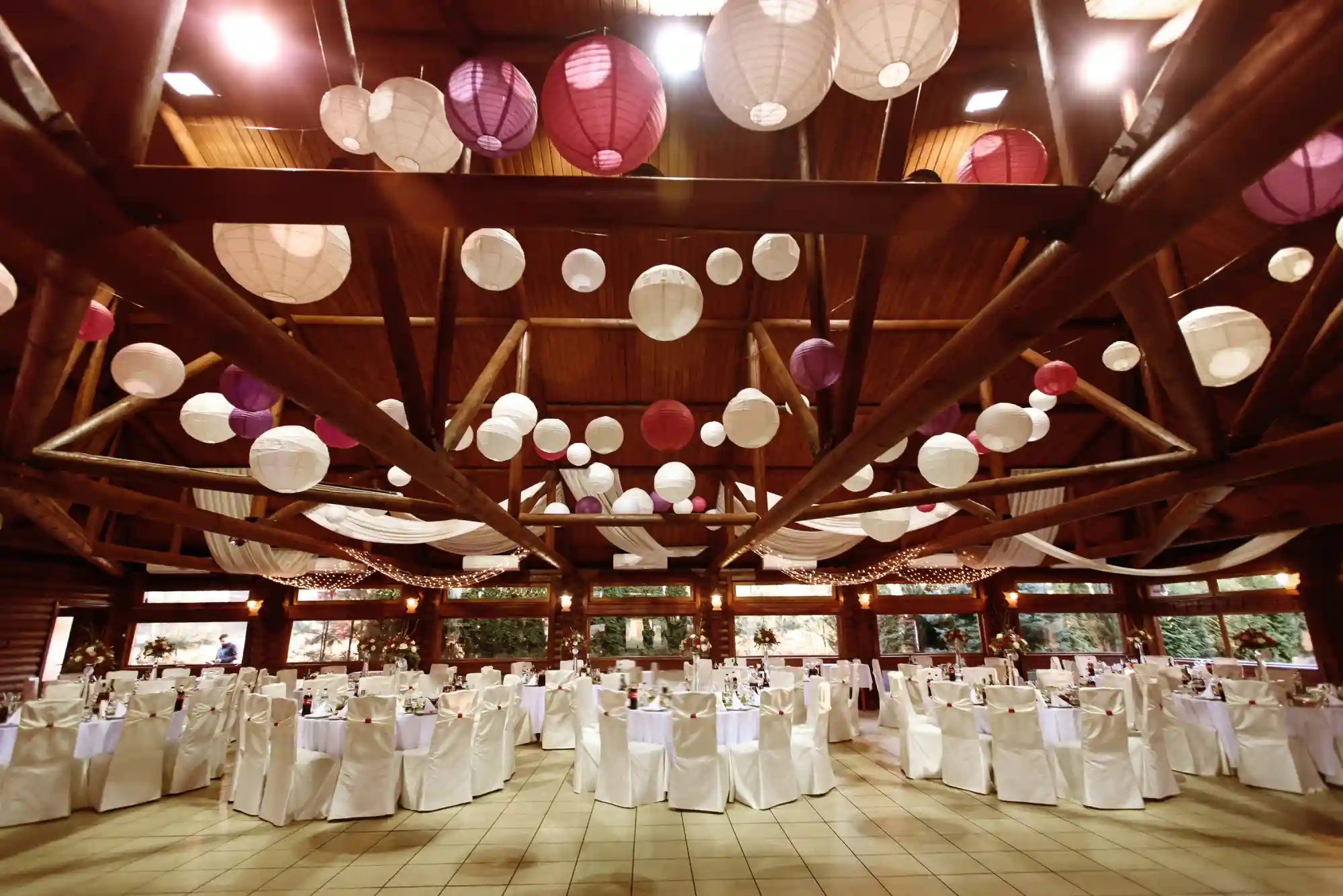
Event rental has its own momentum: advanced AV setups, more sophisticated tenting solutions, and increasingly tailored packages for weddings, corporate events, and public gatherings. The common thread across these innovations is that they raise customer expectations for a smooth booking experience — which puts pressure on the back-end systems handling availability, contracts, and payments.
Challenges facing the rental industry
Growth comes with friction. Rental operators — whether in heavy equipment or event services — are dealing with:
- More complex logistics as fleets and inventories grow.
- A tightening labor market and the need for skilled workforce development.
- Intense local and regional competition.
- Evolving regulatory and insurance requirements.
This is exactly where ARA membership pays off: access to peer networks and educational resources gives operators a faster path to solving problems others have already worked through.
Utilizing rental software for success
Benefits of rental software
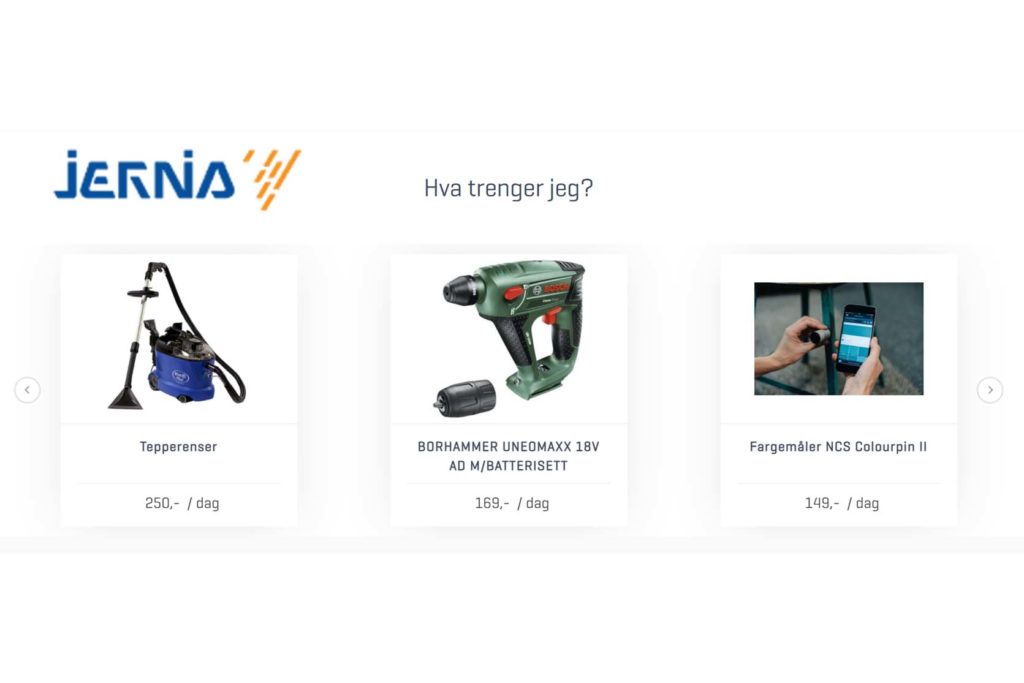
For ARA members trying to scale, rental management software is one of the highest-leverage investments available. A digital rental commerce platform like Sharefox lets a business run and scale both equipment and vehicle rental operations — covering B2C and B2B customers through self-service booking and flexible pricing.
In practical terms, this means:
- Fewer manual admin tasks and less human error in booking, inventory, and invoicing.
- One integrated system instead of spreadsheets, paper contracts, and disconnected point-of-sale tools.
- Higher utilization and revenue per asset, because availability and pricing update automatically.
“The businesses that grow fastest in this industry aren’t necessarily the ones with the biggest fleets — they’re the ones that remove friction from every booking, so customers can self-serve instead of waiting on a phone call.” — Asgeir Helland, rental technology expert at Sharefox
Key features to look for in rental software
Not all rental platforms are built for the same scale of ambition. When evaluating options, ARA members should look for:
- Booking and inventory management as the core, non-negotiable modules.
- Self-service check-in/check-out, ideally supported by hardware integrations such as smart lockers or keyless access.
- Support for multiple rental models — short-term, long-term, subscription-based rentals, and even sales alongside rentals (a MultiCommerce approach for hybrid businesses).
- Payment and accounting integrations that plug into your existing finance stack rather than replacing it.
- ID verification and compliance tooling, particularly important for higher-value equipment and vehicle rentals.
- Pricing configuration and analytics, so rates and availability adjust to real demand instead of static rate cards.
If you’re mapping this against a specific fleet type, Sharefox’s equipment rental software, construction rental software, and event rental software pages break down the feature set by vertical.
Manual processes vs. modern rental software
The table below illustrates the practical difference between running a rental operation on spreadsheets and phone bookings versus a purpose-built platform.
| Operational area | Manual / spreadsheet-based process | Modern rental software (e.g., Sharefox) |
|---|---|---|
| Booking intake | Phone, email, or in-person only | 24/7 self-service booking, B2C and B2B |
| Inventory visibility | Updated manually, prone to double-bookings | Real-time availability across all channels |
| Pricing | Static rate cards | Dynamic, rule-based pricing by season/demand |
| Payments & invoicing | Manual entry into accounting software | Integrated with providers like Visma and Nets |
| Customer verification | Manual ID checks | Automated ID verification (e.g., via Criipto) |
| Reporting | Ad hoc, retrospective | Continuous analytics on utilization and revenue |
Case studies of successful implementations
Across the ARA membership base, companies that have adopted structured rental software tend to report the same pattern: faster bookings, fewer inventory errors, and better visibility into which assets are actually profitable. Sharefox’s own case studies — spanning tool rental, trailer rental, and vehicle rental businesses — show how integrating accounting, payments, and analytics into one system supports more confident, data-backed decisions rather than gut-feel pricing.
The ARA Show: a platform for networking and learning
Highlights from the ARA Show
The ARA Show is the association’s flagship event and a genuine cross-section of the industry — rental business owners, manufacturers, and suppliers all in one venue, comparing notes on where the market is heading.
Networking opportunities at the ARA Show
The real value of the show is often in the hallway conversations, not just the exhibition floor: direct access to manufacturers and suppliers, and peer-to-peer discussion about what’s actually working operationally across North America.
Workshops and seminars at the ARA Show
Beyond the floor, the ARA Show runs a full program of sessions — operational best practices for equipment rental, strategies for event rental services, and safety-critical topics like tenting. These sessions are typically led by practitioners, not just vendors, which is part of why they carry weight with attendees.
Career opportunities within the ARA
Career paths in the equipment rental sector
The rental sector offers a genuinely wide range of career paths — from technicians specializing in heavy machinery to customer-facing roles managing complex rental logistics. The ARA actively works to connect this talent pool with member businesses.
Training and development through the ARA Foundation
The ARA Foundation funds training resources, scholarships, and education programs designed to build a skilled labor pool for the industry — an investment that benefits member businesses directly by widening the hiring funnel.
Building a career in the rental industry
Whether someone is an aspiring technician, a seasoned operations manager, or an entrepreneur, the combination of ARA resources — networking, education, specialized training — provides a structured path for professional growth inside a growing industry.

 All in one platform