Skip to main content


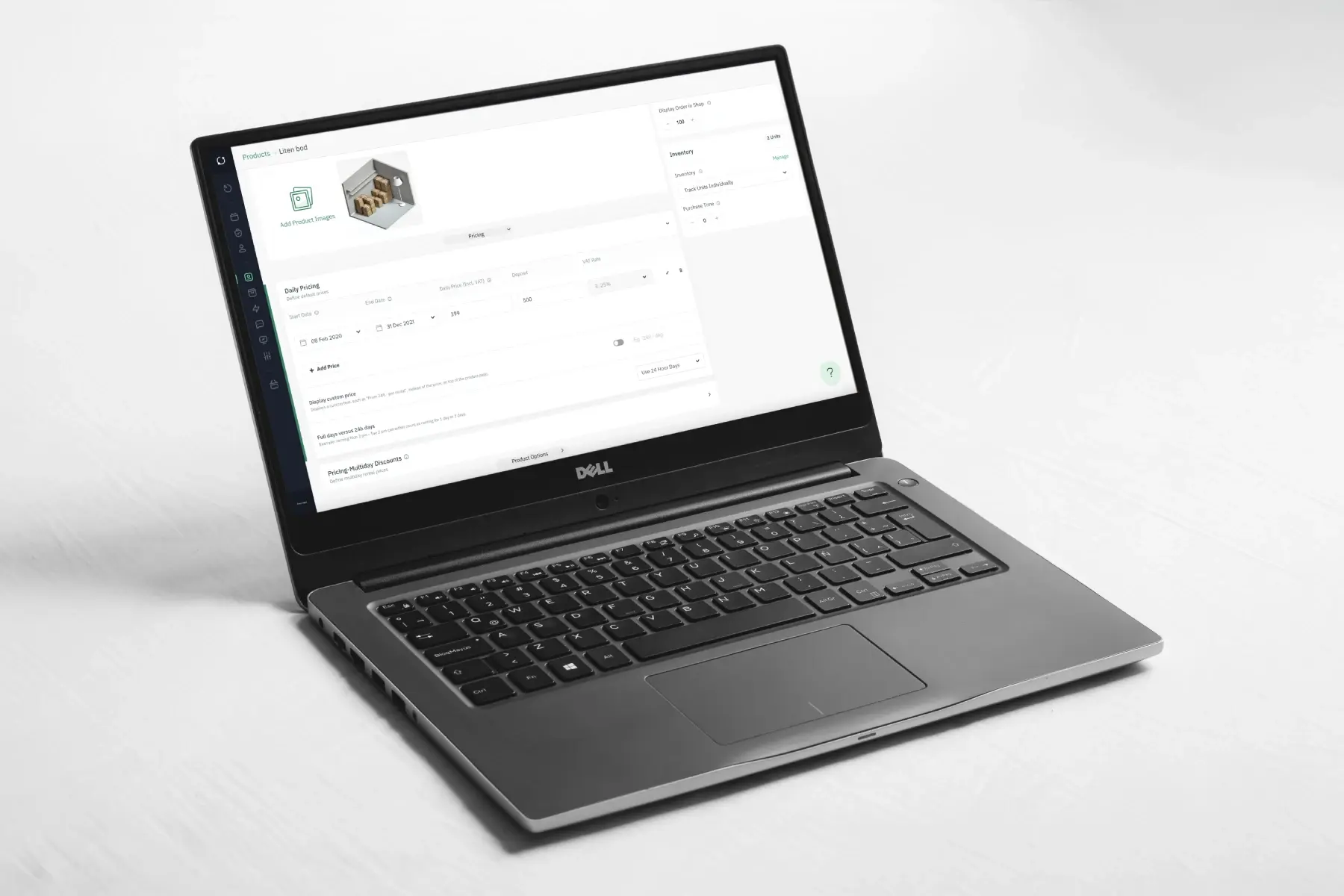
Self storage management software is changing how storage operators run their facilities, replacing spreadsheets, phone bookings, and manual gate access with a single, connected system. For any operator starting a self storage business or looking to modernize an existing site, understanding what this software actually does — and doesn’t do — is the first step toward choosing the right platform.
“The facilities that grow fastest aren’t the ones with the most units — they’re the ones where a tenant can rent, pay, and unlock a door without ever calling the office.” — a Sharefox self-storage customer, on switching from manual check-in to automated rental software
Understanding Self Storage Management Software
Definition and Features
Self storage management software is an all-in-one rental commerce platform built specifically for self-storage operators. Rather than stitching together separate tools for bookings, payments, and access control, it centralizes the core workflows of running a facility in one system. The main functional modules typically include:
- Booking and inventory management — every unit is tracked and bookable in real time, so operators always know what’s available.
- Advanced pricing configuration — tools for dynamic, demand-based pricing across unit types and locations. See our guide to self storage revenue management and dynamic pricing for a closer look at this.
- Analytics and automation — real-time reporting and automated billing, reminders, and access provisioning, explored in more depth in our breakdown of self storage software features.
Why Self-Storage Software Matters
For operators and property managers running self-storage, mini-warehouse, or modular storage sites, this software has become close to essential rather than optional. According to the Self Storage Association (SSA), the industry has grown steadily on the back of exactly this kind of operational efficiency — facilities that reduce manual overhead can run leaner teams and scale into new sites faster.
The shift toward 24/7 self-service is central to that shift: tenants manage leases, payments, and unit access on their own schedule, which both improves the tenant experience and cuts down on staffing costs. Combined with recurring-revenue billing and a strong digital presence — covered in our self storage marketing guide — this is what makes modern self-storage software foundational to sustainable growth.
Types of Management Software
Not all rental management software is built the same way. For self-storage specifically, an all-in-one rental commerce platform tends to outperform narrower, single-purpose tools because it avoids the integration gaps that come from bolting separate systems together.
| Business Type | What the Software Needs to Handle |
|---|---|
| Self-storage rental operators | Unit booking, recurring billing, remote access control, lease documentation |
| Equipment, tool, and vehicle rental businesses | Short-term reservations, asset scheduling, damage/deposit handling |
A platform built to serve both use cases — rather than one retrofitted from generic property management software — tends to integrate payment processing, tenant communication, and facility management more cleanly, without requiring third-party plug-ins to fill the gaps. For a side-by-side look at how different providers stack up, see our comparison of self storage software companies.
Key Functions of Self Storage Management Software
Facility Management Capabilities
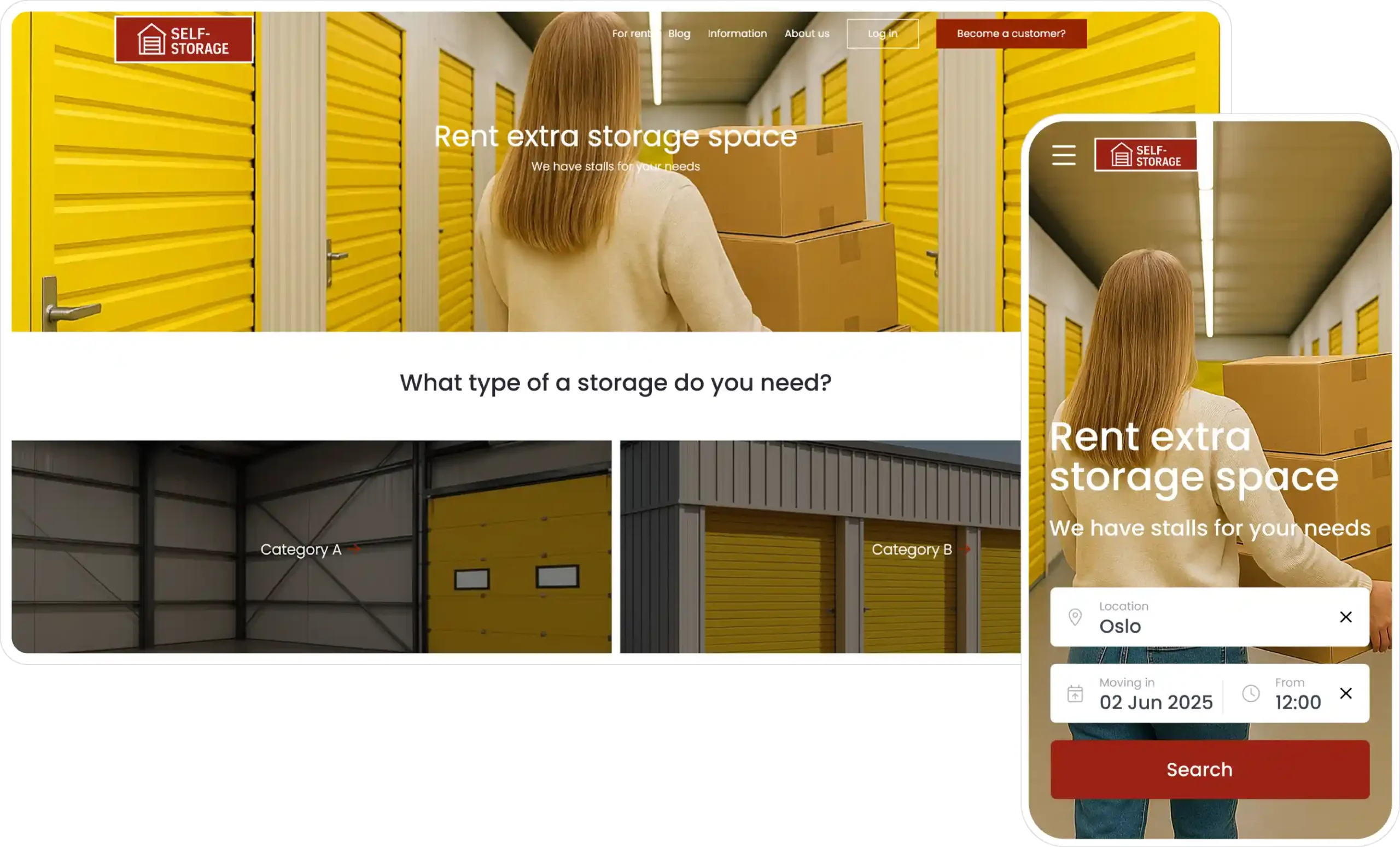
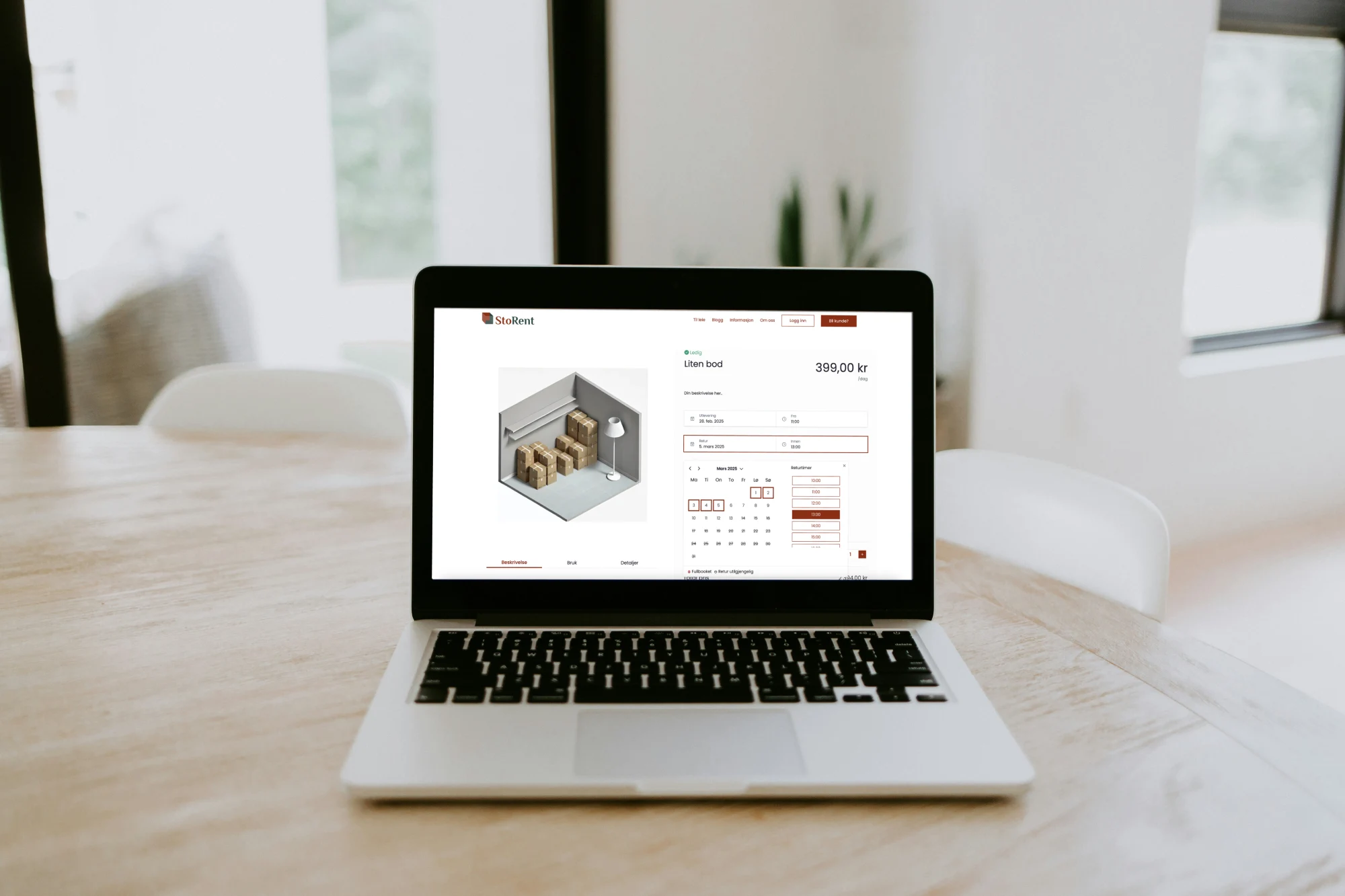
Modern management software lets operators offer online booking and payment for storage units, giving tenants the self-service flexibility they now expect. It also automates access and lock systems — a shift covered in detail in our guide to self storage gate software and access control — which reduces reliance on staff or a physical reception desk. In practice, this is what lets a facility expand to new sites without proportionally growing its admin team.
Payment Processing Features
Reliable payment processing is one of the clearest reasons operators adopt dedicated software. It should support multiple online payment options, handle recurring subscriptions and long-term rental agreements automatically, and reconcile transactions without manual entry. Our detailed walkthrough of self storage payment processing covers how automated billing directly affects cash flow and late-payment rates.
Lease Management and Documentation
Good self-storage software centralizes lease and tenant documentation from move-in through renewal or termination. This reduces administrative overhead and gives managers full visibility into agreement status across every unit. For a deeper look at this side of operations, see our guide on self storage tenant management software.
Benefits for Self Storage Operators
Streamlining Operations
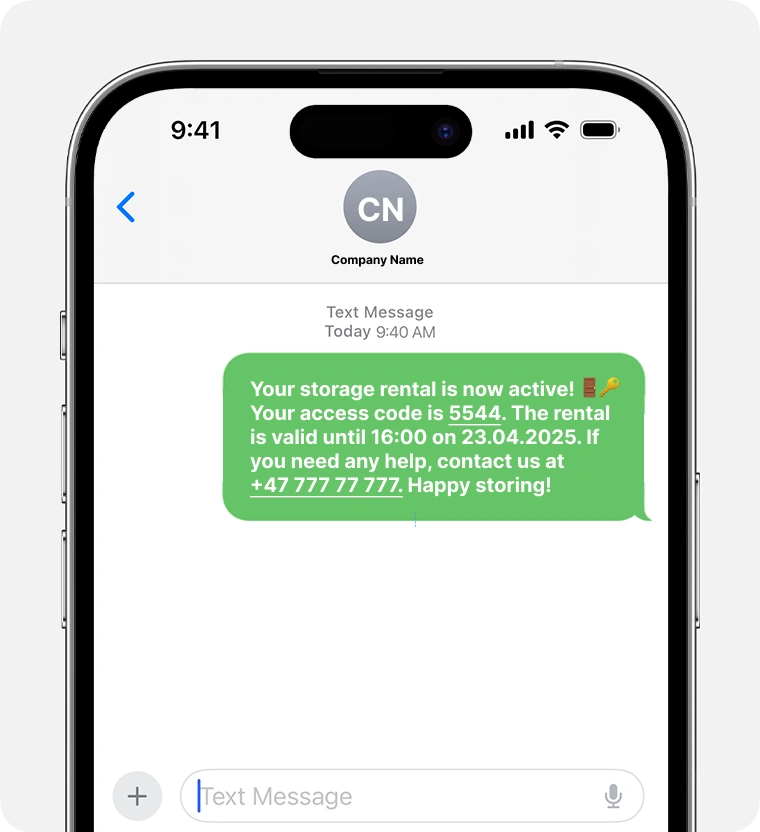
Automating access, billing, and communication is what lets a self-storage business expand into new sites with minimal added administrative burden. Tenants move in without needing to coordinate with a manager’s schedule, which is the core promise of self storage automation: fewer manual touchpoints, more consistent execution.
Enhancing Customer Experience
Letting tenants handle booking, payments, and access entirely online removes friction at every step of the rental relationship. This kind of self-service convenience, paired with a strong digital presence, is increasingly what tenants compare facilities on — not just price or location.
Data Management and Reporting
Real-time analytics give operators the data they need to act, rather than react. Integrated reporting typically tracks:
Comprehensive reporting is what turns day-to-day operations data into decisions about pricing, marketing spend, and expansion.
Choosing the Best Self Storage Software
Evaluating Software Platforms
When evaluating providers, look for robust APIs, dependable integrations, transparent pricing, and clear partner models — these are also the things digital agencies and integration partners screen for when recommending a platform to a client. Our guide to choosing the right self storage software and software pricing breakdown both walk through this evaluation in more detail.
All-in-One Solutions vs. Specialized Tools
An all-in-one rental commerce platform — one built to serve self-storage as well as adjacent categories like equipment, tools, and vehicle rental — tends to integrate payments, tenant communication, and facility management more cleanly than a set of specialized point tools stitched together after the fact. Sharefox is one example of this model, built to serve self-storage operators without limiting the platform to that single vertical.
Cloud-Based vs. On-Premise Options
This is one of the more consequential decisions an operator makes, since it affects cost, scalability, and how (and from where) the facility can be managed.
Our full comparison of cloud-based vs on-premise self storage software breaks down the cost and security trade-offs in more depth. In most cases, cloud-based platforms are the more efficient choice for operators managing multiple sites or planning to expand.
Future Trends in Self Storage Management
Innovations in Facility Management Software
Expect continued movement toward more sophisticated access control and predictive maintenance scheduling, reducing the number of issues that require an on-site visit at all.
Integration with CRM Systems
Coordinating CRM, access control, and payment processing across separate systems is a common pain point for multi-site operators. Tighter native integration between these systems — rather than manual syncing — is one of the clearer trends shaping the next generation of self-storage platforms.
Where the Market Is Heading
Industry data from IBISWorld’s Self-Storage Facilities market research and Statista’s self-storage industry statistics both point to continued consolidation around software-driven, self-service operating models. The direction is consistent: less manual intervention, more automation, and tighter integration between the systems operators already rely on. Explore Sharefox’s own approach on our self-storage software page.
 All in one platform