Skip to main content


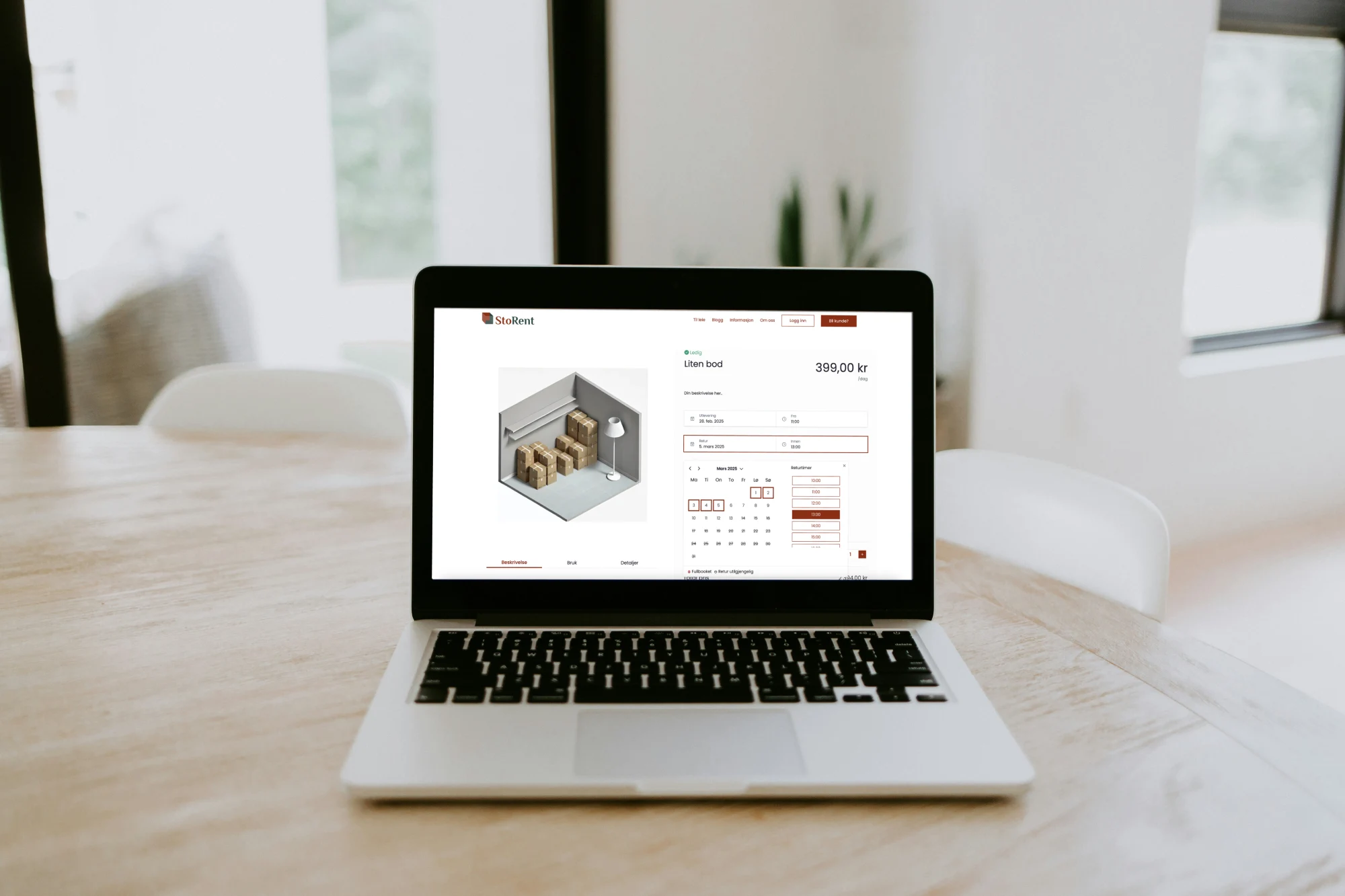
The self-storage industry has changed shape fast. Tenants now expect to rent a unit the way they book a hotel room — online, in minutes, without ever speaking to staff. Meeting that expectation without burning out your team comes down to one decision: which self storage software you run your facility on.
We work with self-storage operators every day who are migrating off spreadsheets, legacy gate systems, or software that simply wasn’t built for how the industry operates now. Below is the framework we’d use ourselves if we were choosing a platform from scratch — what actually matters, what’s marketing noise, and how to test before you commit.
Understanding Self Storage Management Software
What Is Self Storage Software?
Self storage software is a digital rental commerce platform built to run the full lifecycle of a storage rental — from the first online search to move-out — for both individual renters (B2C) and business tenants (B2B). At its core, it’s self storage management software that combines booking, billing, access control, and reporting into one system, rather than forcing you to stitch together five separate tools.
Benefits of Self Storage Management Solutions
A good management platform pays for itself in two ways. First, it cuts the need for full-time reception staff by letting tenants book, pay, and access their unit independently. Second, it handles recurring billing and long-term agreements automatically, which stabilizes cash flow and removes the manual invoicing that eats up a manager’s week. If you’re unclear on what these systems actually do day-to-day, this breakdown of self storage management software is a good starting point.
Key Features of Effective Storage Management Software
Not every feature matters equally. In our experience, the ones that consistently separate a good system from a frustrating one are:
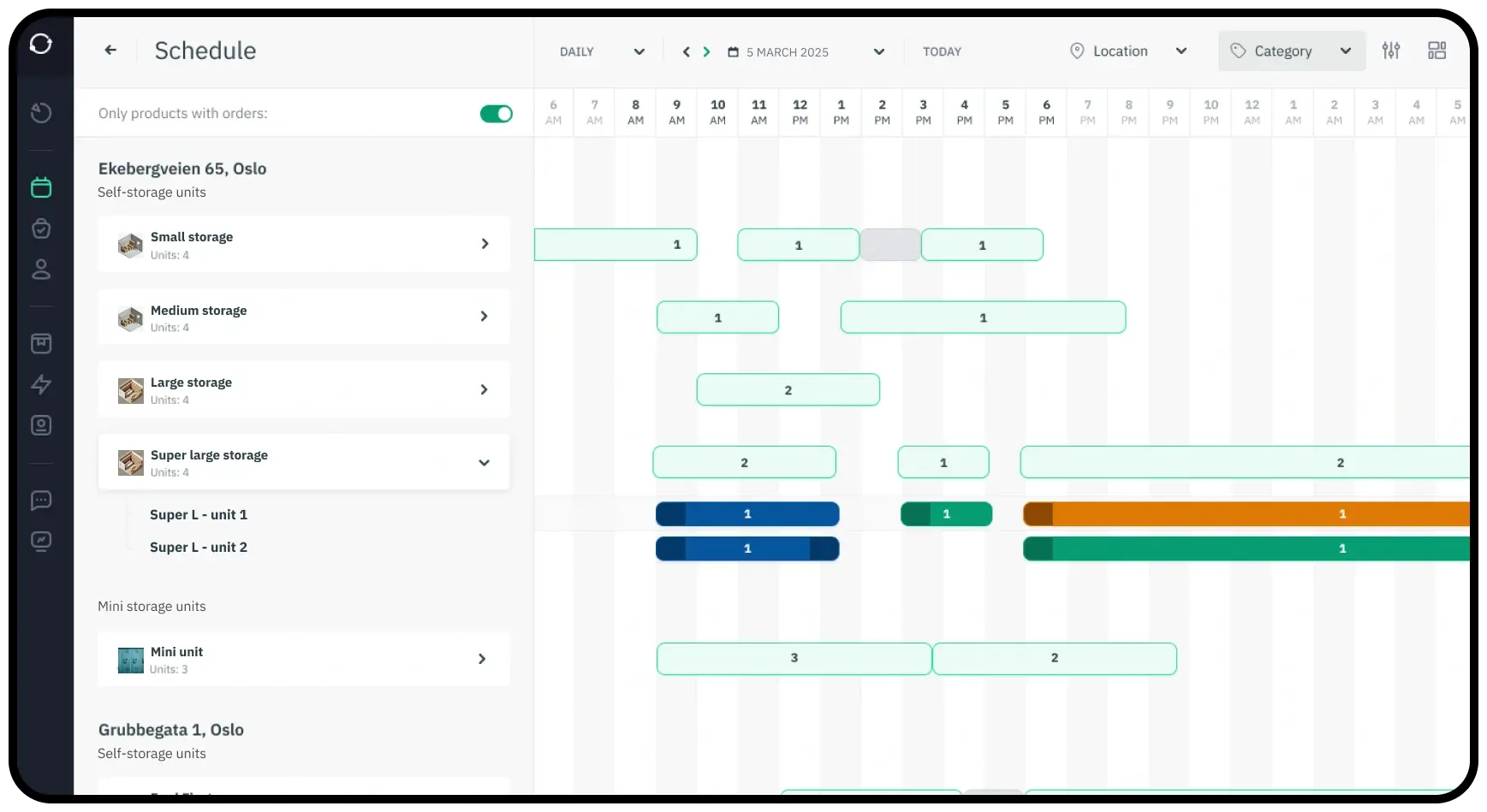
- Online booking and inventory management — tenants should be able to see unit availability and reserve one without a phone call.
- Self-service check-in/out, usually via smart lock or PIN code integrations, which is what actually removes the need for a staffed front desk.
- Flexible rental models — subscriptions, short-term, and long-term contracts, plus the ability to sell add-on services (insurance, boxes, locks) at checkout.
For a deeper breakdown of these, see our full feature guide for self storage software.
Identifying Your Business Needs
Assessing the Size of Your Facility
Scale changes what “the right software” means. A single-site operator mostly needs reliable booking and billing. A multi-site portfolio needs centralized reporting, role-based access for staff across locations, and pricing that can flex by market. Look for software that’s genuinely built for the SMB and mid-market segment — not an enterprise tool with a simplified skin, and not a hobbyist tool that will cap your growth in 18 months.
Determining Essential Management Tools
At minimum, your shortlist should support:
- Online booking and payment, including recurring billing
- Automated access and lock integrations
- Multi-site setup that doesn’t require a new configuration from scratch every time you open a location
The goal is reducing dependence on physical staff while keeping the admin overhead of adding new sites as close to zero as possible — this is where a lot of operators get stuck coordinating separate CRM, access control, and payment systems instead of one connected platform.
Evaluating Marketing Solutions for Self Storage Operators
Software that stops at “booking and billing” leaves growth on the table. The stronger platforms also help with lead generation, automated tenant communication, and visibility in local search — because a self storage facility with a weak digital presence loses bookings to the one down the road with better online reviews and a faster checkout. If marketing is a gap for you, this guide to marketing a self storage facility is worth reading alongside your software shortlist.
Comparing Leading Self Storage Software Platforms
Overview of Best Self Storage Software Options
Sharefox is built as an all-in-one rental commerce platform for self storage — supporting both B2C and B2B tenants with self-service booking, flexible pricing, and full ecosystem integrations across accounting, payment processing, and ID verification. If you want a side-by-side look at how different platforms stack up on these points, we’ve compared the leading options here.
Cloud-Based vs. On-Premise Software Solutions
This is usually the first real fork in the decision. Here’s how the two approaches compare on the factors operators actually care about:
| Factor | Cloud-Based Software | On-Premise Software |
|---|---|---|
| Accessibility | Manage from anywhere, any device, in real time | Typically tied to on-site hardware or a local network |
| Setup cost | Low upfront cost, subscription-based | High upfront investment in servers and licensing |
| Maintenance | Handled by the vendor, automatic updates | Requires in-house or contracted IT support |
| Scaling to new sites | Add a new location in days | Often needs new hardware and setup per site |
| Data & integrations | Real-time sync with payments, access control, accounting | Integrations are usually slower and more limited |
| Best fit for | Operators planning to grow or run multiple sites | Operators with strict on-site data requirements and existing IT infrastructure |
For most growing operators, cloud-based self storage automation wins on flexibility and speed — but if your facility has specific data residency or infrastructure requirements, on-premise still has a place.
Case Studies: Successful Implementation of Self Storage Software
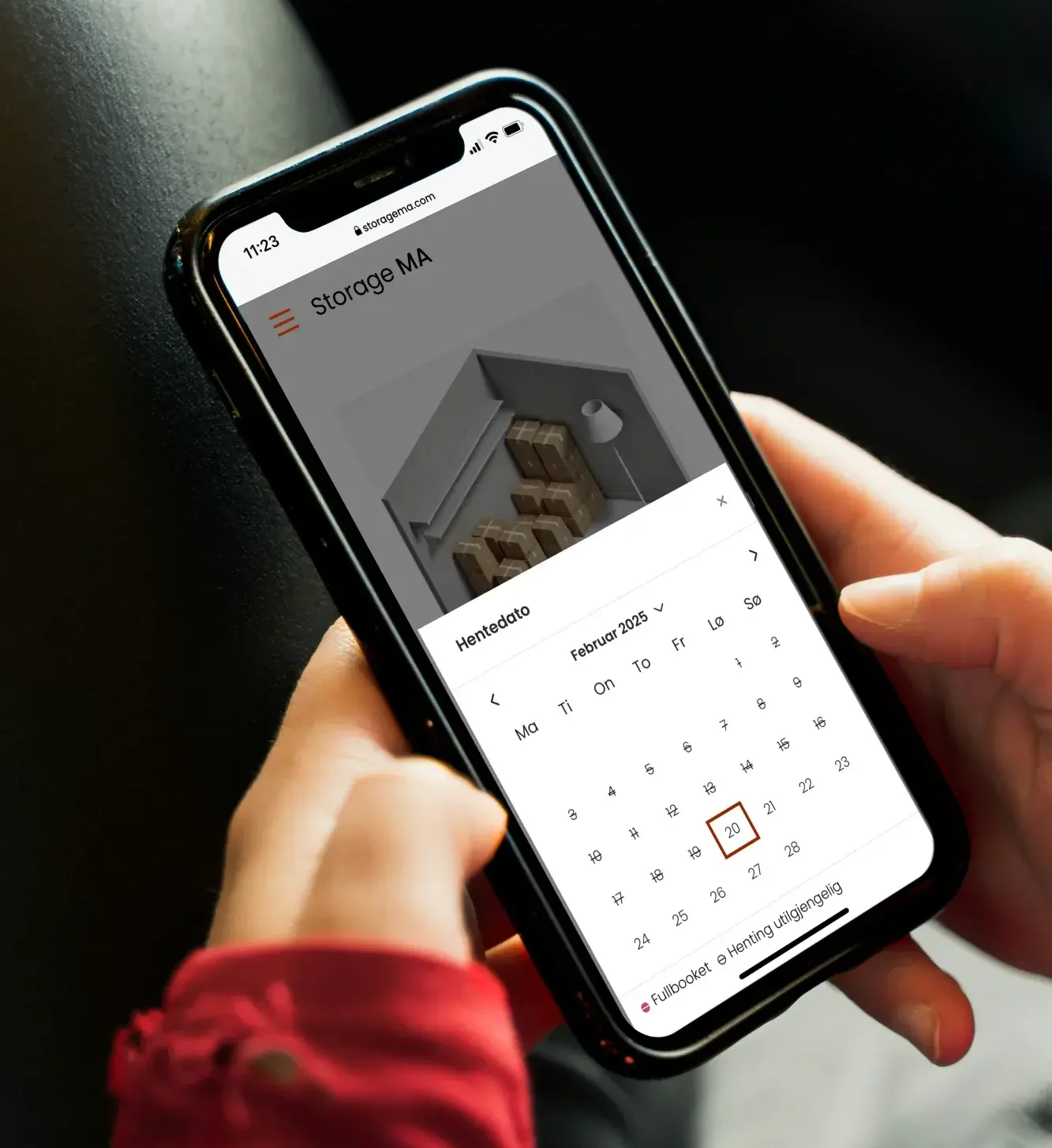
Real deployments tell you more than a features page. Opbevaring.nu in Denmark is a useful example: a fully digital self storage facility built around online booking, ID verification, and automated 24/7 access — with no reception desk required.
“The operators seeing the biggest gains from digital self storage are the ones who removed friction at every step — booking, payment, and access — not just one of them.” — Industry perspective on self storage digitization
Choosing the Right Storage Management Platform
Factors to Consider When Selecting Software
Operators moving toward subscription-based or hybrid rental models should prioritize automation, 24/7 self-service, and predictable recurring revenue over flashy extras. The strongest platforms make it easier to manage tenant communication, lease terms, and facility operations without juggling separate CRM, access control, and payment tools — and they make managing subscriptions and recurring rentals close to effortless.
How to Test and Evaluate Software Solutions
Don’t decide from a sales deck. Run a free trial or demo and specifically test:
- How tenant communication and lease management actually work day-to-day
- Whether checkout and payment processing feels smooth from the tenant’s side, not just the admin side
- How the pricing structure scales as you add units or sites
A platform can look complete in a demo and still fall apart under real tenant traffic — hands-on testing is the only way to catch that before you’re locked into a contract.
Customer Support and Training Resources
Support quality matters more after go-live than before. Look for real-time chat, phone, and email support, plus onboarding materials — tutorials, webinars, and documentation — that let your team get comfortable with the system quickly rather than learning it by trial and error during business hours.
Future Trends in Self Storage Management
The Role of AI in Self Storage Operations
AI is starting to show up in self storage in practical ways: analyzing occupancy patterns, adjusting pricing dynamically based on demand, and strengthening security through smarter access control and surveillance integrations. The operators paying attention to this now will have a pricing and efficiency edge as it becomes standard.
Emerging Features in Self Storage Software
Expect deeper accounting integrations, more payment options out of the box, dynamic pricing, and predictive tools for lease renewals to become baseline expectations rather than premium add-ons over the next few years.
Preparing for the Future of the Self Storage Business
The operators best positioned for what’s next are investing now in flexible, cloud-based software that keeps adding integrations and updates — rather than a static system they’ll have to replace in three years. If you’re earlier in the journey, this guide to starting a self storage business is a solid companion piece to this one.
 All in one platform