Skip to main content


The subscription economy isn’t new — but the businesses succeeding in it today look very different from the ones that tried this five years ago. Recurring revenue is still the goal, but customers now expect frictionless self-service, transparent pricing, and the ability to pause, swap, or cancel without calling anyone. Get that right, and a subscription model becomes one of the most durable ways to build predictable revenue and long-term customer relationships. Get it wrong, and churn quietly eats every gain.
This guide walks through what actually matters when launching a subscription-based service: the model itself, how to price it, which payment and operational systems to have in place before day one, and how to keep subscribers once you’ve won them.
Understanding the Subscription Business Model
What Is a Subscription?
A subscription is an agreement where a customer gets ongoing access to a product or service in exchange for recurring payments — weekly, monthly, or annually — rather than a single upfront transaction. That structure changes the relationship: instead of optimizing for one sale, you’re optimizing for retention, usage, and lifetime value.
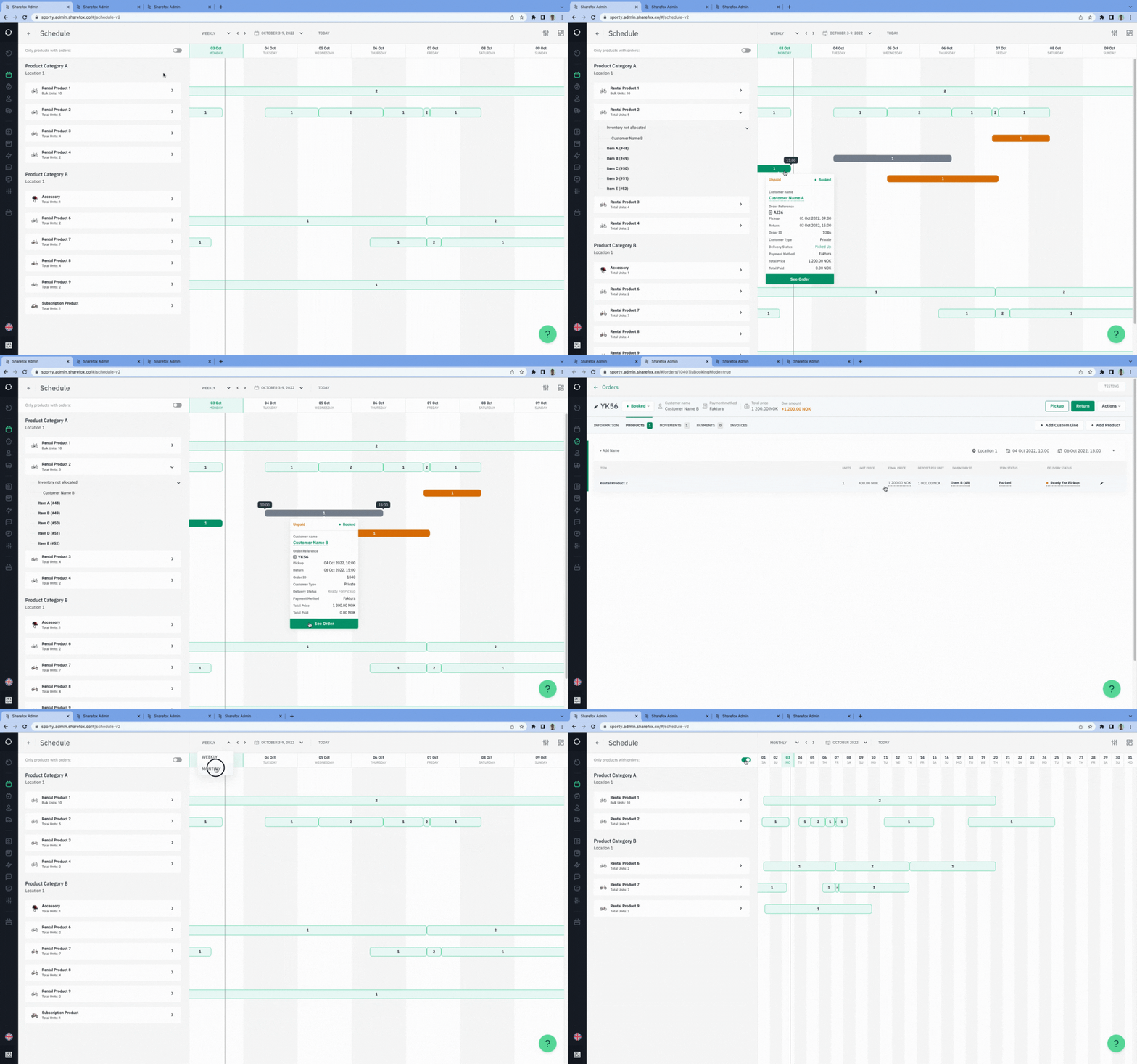
Rental and subscription overlap more than most people realize. A subscription rental software platform, for instance, is built specifically to manage the “open-ended” agreements that sit between a short-term rental and a full purchase — access that continues until the customer chooses to stop.
What Subscription Means for a Modern Business
For most businesses, “going subscription” is really a strategic shift, not just a billing change. It means prioritizing automation, 24/7 self-service, and a customer experience that doesn’t depend on someone picking up the phone. Entrepreneurs moving into subscription or hybrid rental models tend to care about three things above all else: fewer manual touchpoints, dependable recurring billing, and a digital presence that can scale without proportionally scaling headcount.
Types of Subscription Businesses
The subscription model adapts to almost any category:
- Product subscriptions — physical goods delivered or made available on a recurring basis (equipment, tools, vehicles, self-storage units)
- Digital subscriptions — SaaS and content platforms billed on a recurring cycle
- Membership models — exclusive access, tiered pricing, or community-based value
- Hybrid rent/sell/subscribe models — the fastest-growing category, where a single business offers rentals, one-off sales, and subscriptions side by side
That hybrid flexibility is increasingly the norm rather than the exception. A growing share of rental operators, for example, now run vehicle subscription programs alongside traditional short-term rentals, using the same inventory and back-office system for both.
Starting a Subscription Business
Key Steps to Launch Your Subscription Service
Before you take a single payment, get the operational foundation right. For self-storage and property operators specifically, the priority is usually the same: offer online booking and payment for units, and automate access and lock systems so the business doesn’t depend on someone staffing a physical desk. That single change lets a business expand into new locations with minimal added administration.
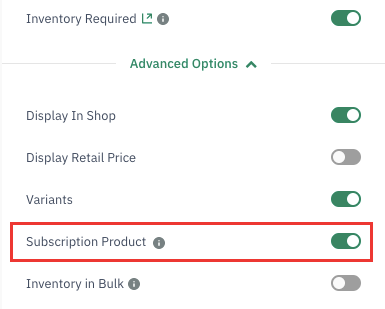
Underneath all of it, subscription management software is what makes recurring billing reliable rather than a source of monthly manual reconciliation. Before launch, confirm your platform can handle:
- Recurring billing that runs without manual intervention
- Failed-payment retries and dunning management
- Mid-cycle upgrades, downgrades, and pauses
- Self-service cancellation (required in most markets under consumer protection rules)
- Reporting that shows churn and revenue trends in real time
Identifying Your Target Subscribers
Knowing who you’re building for shapes every decision that follows — pricing, onboarding flow, and which integrations actually matter.
Rental Operator
Efficient recurring payments across equipment and machinery rentals
Mobility Manager
Customer experience and operational efficiency across vehicle fleets
Self-Storage or Property Manager
Automation and 24/7 self-service to protect recurring revenue
Digital Agency / Integration Partner
Robust APIs and a dependable tech partner for their own clients
Choosing the Right Pricing Strategy
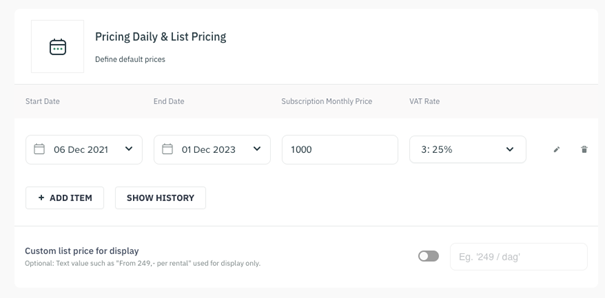
Pricing is the single highest-leverage decision in a subscription launch — it’s easier to build a good product on the wrong price than a great product on a confusing one. A flexible subscription management setup should let you configure tiers, discounts, and payment options without a developer, so you can test pricing against real customer segments instead of guessing once and living with it.
A quick way to sanity-check a pricing model: if you can’t explain your tiers in one sentence, your customers can’t either — and confusing pricing is one of the most common, and most fixable, causes of early subscription churn.
Payment Models for Subscription Services
Overview of Different Payment Models
There’s no single “correct” way to charge for a subscription — the right model depends on the product, the customer, and how predictable usage is. Here’s how the common options compare:
| Payment Model | How It Works | Best For | Trade-off |
|---|---|---|---|
| Flat-rate recurring | Fixed price, fixed billing period | Predictable-use products, SaaS, storage units | Simple to manage, but can undercharge heavy users |
| Tiered / usage-based | Price scales with usage or feature access | Equipment rental, fleets with variable demand | Matches value to price, but adds billing complexity |
| Pay-as-you-go with subscription discount | Base rate discounted for a recurring commitment | Rental-to-subscription hybrids | Flexible for customers, harder to forecast revenue |
| Freemium / hybrid | Free or low-cost entry tier, paid upgrade path | Digital products, membership models | Strong acquisition, but requires disciplined conversion tracking |
Different roles inside a rental business tend to prioritize different pieces of the payment stack: mobility managers lean toward integrating ID verification for security and a smoother checkout, while self-storage and property managers focus on making online booking and payment for units completely self-service.
Integrating Payment Solutions
Reliable recurring billing depends on the payment infrastructure behind it, not just the pricing page. Sharefox, for instance, supports integrations with established payment providers like Nets, giving operators a flexible framework for different payment models without building custom billing logic from scratch. For rental operators, connecting payments cleanly into existing accounting workflows is usually the difference between a subscription program that scales and one that generates a spreadsheet full of manual reconciliation work every month.
Managing Subscriber Payments
Once payments are integrated, the ongoing job is keeping them running without intervention: catching failed cards before they become failed renewals, automating receipts, and giving subscribers a self-service way to update billing details. Self-storage operator Parkdressen is a useful real-world example — a clothing and outerwear rental business that layered subscription billing onto its existing rental operations rather than building a separate system for it, which meant one dashboard instead of two.
Scaling Your Subscription Business
Strategies for Growth
Scaling a subscription business shouldn’t mean scaling your admin team at the same rate. The businesses that grow smoothly tend to share one trait: they invest early in systems that let them add customers, locations, or product lines without adding proportional overhead. Rental operators typically focus on increasing utilization and revenue per asset; self-storage and property managers focus on expanding into new sites with minimal added administration. Both goals point to the same underlying requirement — a platform, like self-storage software built for automated access and billing, that can absorb growth without breaking.
If you’re specifically exploring vehicle or mobility subscriptions as a growth line, it’s worth reading how operators are structuring car subscription programs alongside traditional rentals — many are finding it’s a lower-risk way to test recurring revenue before committing fully.
Retention Techniques for Subscribers
Acquiring a subscriber is only half the job — retaining them is where the recurring-revenue math actually pays off. According to McKinsey’s research on subscription e-commerce, low-friction cancellation and clear value communication are consistently cited as top retention drivers, which runs somewhat counter to the instinct to make cancellation harder (see Sources below). Practically, that means:
- Automating renewal reminders and service updates instead of relying on manual outreach
- Making self-service changes (pause, downgrade, skip a cycle) easy to find
- Tracking early churn signals — like missed logins or reduced usage — before the cancellation happens, not after
Measuring Success and Adjusting Your Model
Subscription businesses live or die by a small set of metrics: monthly recurring revenue, churn rate, and customer lifetime value. Rental operators generally aim to consolidate booking, inventory, and invoicing into one system specifically so these numbers are visible without manual pulling and cross-referencing. If you want a rough sense of what a subscription model could return before building it out fully, running the numbers through a rental ROI calculator is a reasonable first pass — and if the model looks viable, booking a demo with a platform built for recurring billing is a faster next step than building the infrastructure from scratch.



 All in one platform