Skip to main content


Unlock the full potential of your manufacturing operations by embracing the discipline of plant asset management (PAM). Done well, PAM is not a spreadsheet of serial numbers — it’s a strategic framework for optimizing performance, ensuring reliability, and driving sustainable growth in an increasingly competitive landscape. Below, we break down what PAM actually involves, the evidence behind its ROI, how to evaluate software, and where the discipline is heading next.

Understanding Plant Asset Management
Definition of Plant Asset Management
Plant Asset Management, often shortened to PAM, is a strategic framework that integrates management systems and technologies to oversee the entire lifecycle of physical assets within a manufacturing plant — from procurement and installation through maintenance, repair, and eventual decommissioning. An effective plant asset management system aims to optimize asset health, minimize downtime, and improve overall operational efficiency, transforming how businesses manage critical infrastructure.
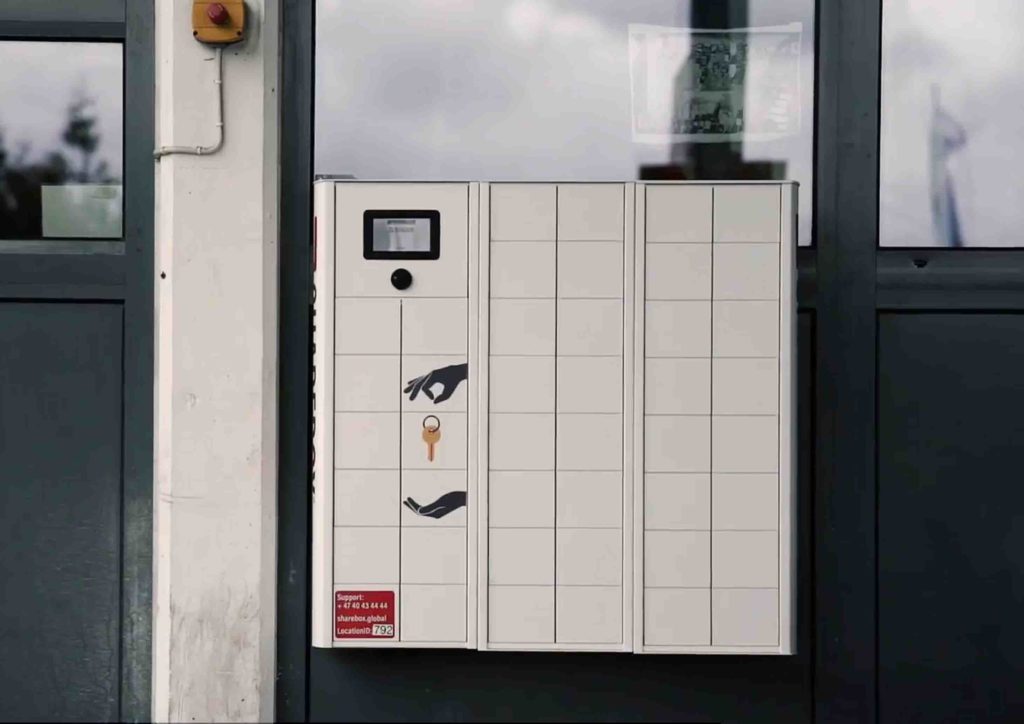
Digital rental and asset commerce platforms illustrate how far this thinking has moved beyond static spreadsheets. Sharefox, for example, is built to manage the full lifecycle of physical assets — booking, inventory tracking, condition status, and turnover — for both B2C and B2B operators. It’s a useful reference point for what a modern, digitally-native asset management system looks like in practice, even outside a traditional plant environment.
Why Plant Assets Matter to Manufacturing Profitability
Plant assets are the bedrock of any manufacturing operation, directly shaping production capacity, product quality, and ultimately profitability. Because these assets represent significant capital investment, their continuous, optimal performance is essential for meeting production targets and avoiding costly disruptions.
Independent research backs this up. Industry analysis has repeatedly linked unplanned downtime to major revenue loss across manufacturing sectors, and organizations that formalize maintenance and asset-tracking practices consistently report fewer breakdowns and more predictable output (see Sources below). By implementing robust PAM practices, manufacturers can extend asset lifespan, reduce unexpected breakdowns, and build a more stable production environment — outcomes that show up directly in financial performance.
Core Components of an Asset Management System
A comprehensive asset management system integrates several functional modules to streamline plant operations and protect asset health:
- Booking and inventory management — tracking the location, status, and availability of every asset in real time.
- Self-service check-in/out — reducing administrative overhead by letting operators or customers manage handovers independently, similar to the model used in self-service rental operations.
- Flexible commercial models — supporting subscriptions, short- and long-term use, and traditional sale or service bookings, sometimes called MultiCommerce flexibility for hybrid setups (Sharefox’s own subscription management tooling is one example of this in a rental context).
- Analytics and automation — using data from sensors and field devices to support predictive maintenance and lifecycle optimization.
For a closer look at how these building blocks translate into measurable savings, see our related breakdown of plant asset management benefits.
Benefits of Implementing a Plant Asset Management Solution
Enhancing Efficiency in Manufacturing Plants
Implementing a robust plant asset management solution is pivotal for any plant aiming to improve operational efficiency and profitability. By centralizing oversight of all assets, a good system helps teams streamline workflows, cut manual administration, and reduce human error. The goal isn’t complexity for its own sake — it’s simplifying operations for both the people running assets day-to-day and the customers or internal teams who depend on them, which in turn reduces downtime and increases utilization per asset.
Automation and Its Impact on Asset Management
Automation is a cornerstone of modern plant asset management. It enables seamless processes such as digital check-in/out, letting teams manage handovers with minimal manual intervention. This reduces administrative burden and improves consistency. A system’s ability to automate access control, billing, and communication further reduces human error and frees maintenance staff to focus on higher-value diagnostic work rather than paperwork.
Improving Asset Health Through Monitoring
Advanced PAM solutions bolster asset health through continuous, real-time monitoring. By deploying IoT sensors and field devices, these systems gather data on the performance and condition of assets as they operate. This flow of information enables predictive maintenance strategies — anticipating potential failures before they cause a stoppage. As the table below shows, that shift from reactive to predictive maintenance changes both the cost profile and the risk profile of running a plant.
Maintenance Strategy Comparison
| Maintenance approach | What triggers action | Typical downtime impact | Cost profile | Data requirement |
|---|---|---|---|---|
| Reactive | Equipment fails | High — unplanned, often production-stopping | Lower upfront cost, higher long-term repair/replacement cost | Minimal |
| Preventive | Fixed schedule (time or usage-based) | Moderate — planned but sometimes unnecessary | Predictable, but can over-service healthy assets | Low to moderate (usage logs) |
| Predictive (PAM-enabled) | Real-time condition data / sensor thresholds | Low — interventions timed before failure | Higher upfront investment in sensors/software, lower total cost of ownership over time | High (continuous sensor + analytics data) |
“The plants that get the most value out of asset management aren’t the ones with the most sensors — they’re the ones that actually act on the data before something breaks.” — Operations director, mid-sized industrial manufacturer, speaking on condition of anonymity about their maintenance transformation.
Choosing the Right Asset Management Software
Key Features to Look For
When evaluating asset management software, focus on features that genuinely empower plant operations rather than a long checklist of buzzwords:
- Self-service booking and check-in/out for faster asset turnover.
- Flexible pricing and commercial models that adapt to how your business actually operates (rental, subscription, or hybrid).
- Full ecosystem integrations — accounting, payments, and identity verification are common friction points; look for native connections rather than manual exports. Sharefox, for instance, documents its integrations with providers like Visma, Nets, and Criipto as part of its ecosystem approach.
- Booking and inventory management as a core, not an add-on module.
- Analytics and automation for operations, so you gain visibility into asset health rather than just asset location.
For sector-specific needs, it’s worth comparing how vendors handle heavier or higher-value equipment — see, for example, dedicated approaches to equipment rental software or heavy equipment management, which often surface the same underlying PAM capabilities in a different commercial wrapper.
Evaluating Different Asset Management Solutions
Evaluating solutions requires a clear-eyed comparison of scalability, ease of use, and support quality — not just a features list. Look for robust asset health monitoring and predictive maintenance capabilities, since these directly affect downtime and asset lifespan. A solution should integrate with your existing control systems and provide clear, actionable data rather than raw sensor noise. It’s also worth comparing how vendors handle asset tracking at scale; our guide to asset tracking for growing operations and this overview of CMMS-style maintenance software both dig into the tracking layer specifically. Cloud-based deployment tends to offer more flexibility for multi-site plants, though on-premise or hybrid deployment may suit facilities with strict data-residency requirements.
Integrating an AMS with Existing Systems
Integrating an asset management system (AMS) with existing enterprise systems is a critical step toward a unified, efficient operational environment. That typically means connections to accounting, payments, and identity verification platforms so financial transactions and compliance checks happen inside the workflow rather than around it. Just as importantly, integration should extend to control systems, field devices, and sensors — the layer that actually feeds real-time data into predictive maintenance models. Done well, this consolidates data from CRM, booking, and finance systems under one operational view instead of three disconnected ones.
The Role of Maintenance Teams in Asset Management
Collaboration Between Operations and Maintenance
Effective plant asset management depends on close collaboration between operations and maintenance teams. When these teams share data and objectives, they can proactively address issues using real-time sensor input rather than reacting after a stoppage. That collaboration is often the difference between a PAM rollout that delivers results and one that just adds another dashboard nobody checks.
Strategies for Effective Maintenance Management
Modern PAM emphasizes a shift from reactive to proactive maintenance — primarily preventive and predictive programs. Leveraging analytics and sensor data helps teams anticipate failures, reduce unplanned downtime, and extend asset lifecycle. Automation helps here too, ensuring maintenance tasks are scheduled and tracked rather than left to institutional memory.
Training and Development for Maintenance Teams
As IIoT and automation mature, maintenance personnel need ongoing training in sensor technology, predictive maintenance techniques, and the software itself. Teams that can interpret real-time data — not just react to alarms — get more value from every dollar spent on sensors and software. This is as much a people investment as a technology one, and it’s frequently the gap between plants that see strong PAM ROI and those that don’t.
Future Trends in Plant Asset Management
Market Growth
The plant asset management market continues to expand as manufacturers recognize its role in efficiency and profitability. Growth is driven by wider adoption of IIoT devices and increasingly sophisticated asset management software that enables more precise, predictive maintenance. As businesses look to reduce downtime and extend asset lifecycle, demand for robust PAM solutions keeps rising — a trend documented by multiple industry analysts (see Sources).
Innovations in Process Manufacturing
Advances in analytics, machine learning, and AI are reshaping what an asset management system can do — enabling predictive maintenance with greater accuracy by analyzing real-time sensor data from field devices. Specialized monitoring technologies (such as HART-protocol devices and process analyzers used in Yokogawa and similar instrumentation) add further precision, helping keep plant operations consistently optimized.
Industry 4.0’s Impact on Asset Management Systems
Industry 4.0 is reshaping asset management through intelligent automation and interconnected technologies. The convergence of IIoT, cloud platforms, and real-time analytics enables a new generation of solutions capable of predictive maintenance and comprehensive asset health monitoring — allowing manufacturers to optimize assets with more precision while reducing downtime and extending lifecycle. This digital shift strengthens the overall PAM strategy and supports sustained profitability in a competitive manufacturing landscape.
If you’re ready to see what a modern, integrated approach looks like in practice, you can explore Sharefox’s rental and asset software or book a demo to talk through your specific setup. You can also run the numbers yourself with our ROI calculator.

 All in one platform