Skip to main content



Running an equipment rental business without the right software is a bit like renting out heavy machinery without a maintenance log — things mostly work, until the one time they don’t. Double-bookings, spreadsheet errors, and manual invoicing don’t just cost time; they cost revenue and customer trust.
This guide breaks down what equipment rental software actually does, the features that separate a good platform from a great one, and how to evaluate whether a solution like Sharefox — a rental commerce platform built for SMB and mid-market equipment, tool, and heavy-machinery rental operators — is the right fit for your business.
“The businesses that win in equipment rental over the next five years won’t be the ones with the biggest fleets — they’ll be the ones with the best real-time visibility into how those fleets are actually being used.” — Sharefox Customer Success Team
What Is Equipment Rental Software?
Equipment rental software is a digital system that helps businesses manage the full lifecycle of a rental transaction: availability checking, online booking, contracts, payments, dispatch, returns, and reporting. A platform like Sharefox’s rental management system is built as an all-in-one rental commerce solution for both B2C and B2B rental operators, combining self-service booking, flexible pricing, and integrations with the other tools a rental business already relies on.
For an equipment rental business specifically, this typically means replacing spreadsheets and paper contracts with:
- A centralized, real-time inventory system
- Automated booking, dispatch, and check-in/out workflows
- Digital contracts, ID verification, and payment processing
- Reporting on utilization, damages, and revenue per asset
Why Rental Software Matters for Equipment Businesses
Manual administration is the single biggest hidden cost in equipment rental. Every phone-booked reservation, every paper contract, every reconciled spreadsheet is an opportunity for human error — and in an industry where a double-booked excavator can mean a stalled job site, that error has a real financial consequence.
Rental software addresses this by consolidating booking, inventory management, and invoicing into a single platform. For operators managing heavy equipment or construction machinery, this also means automated check-in/out, integrated ID verification, and payment processing — reducing the administrative load on staff while improving the customer experience.
How Rental Software Grows Revenue
Good rental software doesn’t just reduce friction — it directly supports growth by increasing asset utilization and revenue per asset. According to industry research on the broader equipment rental market, utilization rate remains one of the strongest predictors of rental company profitability (see Sources below). Software that gives operators real-time visibility into which assets are sitting idle — and which are consistently booked out — makes it possible to right-size a fleet, retire underperforming assets, and reinvest in equipment that’s actually in demand.
For businesses managing multiple locations, this same visibility supports faster, lower-overhead expansion, and simplifies the management of subscriptions or long-term rental agreements — an increasingly common revenue model in equipment and machinery rental.

Key Features to Look For
Real-Time Inventory Management
Accurate, real-time inventory is the foundation of a reliable rental operation. A platform like Sharefox’s booking and inventory management module consolidates an operator’s entire fleet into one system, minimizing overbooking and giving both staff and customers an accurate view of what’s actually available.
Automated Booking and Dispatch
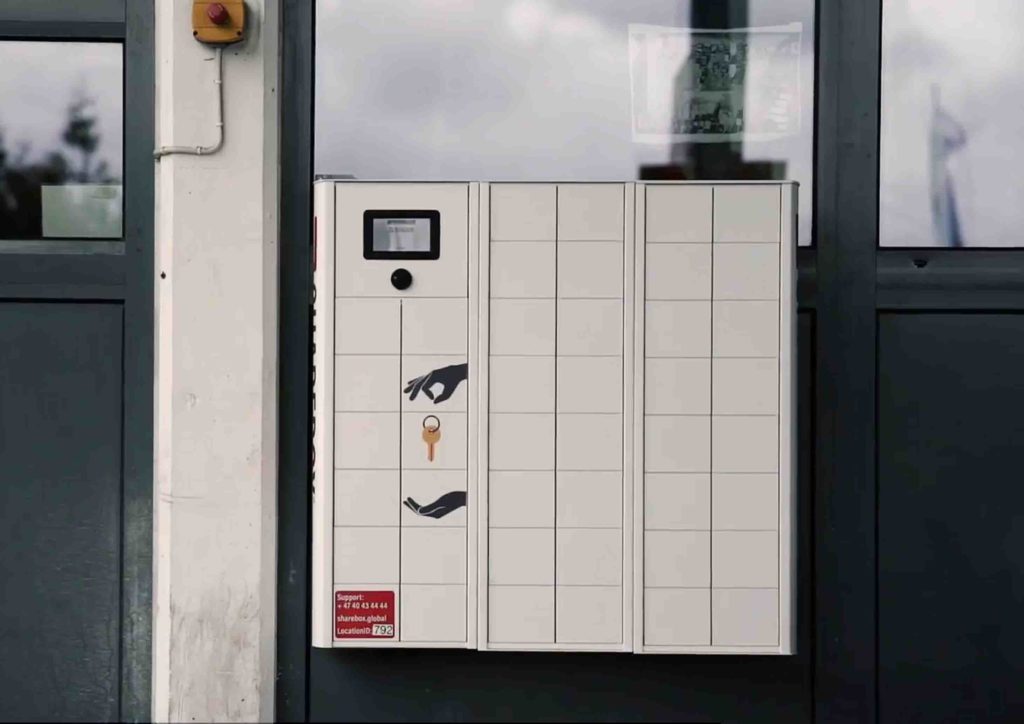
Self-service online booking removes the phone-tag that slows down traditional rental transactions. The best platforms extend this automation to check-in/out — through integrations with hardware like Sharebox and Inlet — so equipment can move in and out of a yard with minimal staff involvement.
Financial and Accounting Integrations
Top-tier equipment rental software connects directly to the financial tools a business already uses. Sharefox, for example, offers integrations with QuickBooks, Visma, Nets, and integrated ID verification — keeping invoicing accurate without manual data entry between systems.
What Separates Basic Rental Tools from a True Equipment Rental Platform
Not all “rental software” solves the same problem. Many equipment businesses start with a basic booking calendar or a generic scheduling tool, then outgrow it as their fleet and locations expand. The table below shows what typically changes as a business moves from manual/basic tools to a full equipment rental commerce platform like Sharefox.
| Capability | Manual / Spreadsheet Process | Basic Booking Tool | Sharefox (Full Rental Platform) |
|---|---|---|---|
| Inventory visibility | Manually updated, error-prone | Single-location, limited real-time sync | Real-time, multi-location |
| Booking | Phone/email, staff-dependent | Basic online calendar | Full self-service booking |
| Contracts & ID verification | Paper-based | Not included | Digital contracts + integrated ID verification |
| Accounting integration | Manual data entry | Rarely included | Native QuickBooks, Visma, Nets |
| Subscription/long-term rentals | Manually tracked | Not supported | Built-in support |
| Utilization reporting | None | Limited | Full analytics dashboard |
Table reflects general capability differences typically observed across the equipment rental software market, not a specific vendor-by-vendor claim.
Use our free ROI calculator to estimate the impact of moving from manual processes to a platform like Sharefox.
How to Choose the Right Platform for Your Business
Evaluate Your Actual Operational Needs
Many equipment rental operators come to software evaluation from outdated systems or manual spreadsheets. Start by mapping your current pain points: Is it booking? Inventory visibility across locations? Invoicing? A construction or heavy-equipment operator will prioritize different features than a tool-library or party-rental business, so match the platform to your specific vertical rather than choosing on brand recognition alone.

Weigh the Factors That Matter to Your Segment
- Independent rental operators typically prioritize efficiency and day-to-day operational control.
- Multi-location or fleet-heavy businesses need software that scales cleanly across sites without adding administrative overhead — see our guide on fleet management best practices for equipment rental.
- Growing businesses evaluating pricing models should review our breakdown of equipment rental pricing strategy before locking in a plan.
Test Before You Commit
Trial and demo periods exist for a reason. Before committing, test how the platform handles your actual booking volume, your inventory complexity, and your existing tool stack. You can book a live demo or read our step-by-step guide on how to start (or modernize) an equipment rental business for a broader operational checklist.
Maximizing the Value of Your Rental Software
Once implemented, the software’s value compounds over time. Automated dispatch and check-in reduce manual administration; consolidated dashboards give teams visibility across CRM, booking, and finance from one place; and built-in analytics help identify underutilized equipment before it becomes dead capital. Combined with rental protection and insurance options offered at the point of booking, a well-configured platform doesn’t just save admin time — it actively reduces business risk while improving the customer experience.

 All in one platform