Skip to main content


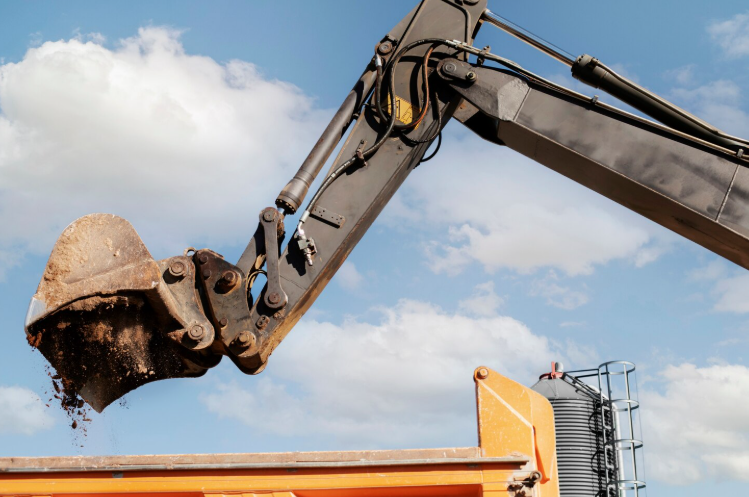
The demolition equipment rental market is experiencing significant growth, driven by a steady rise in construction and redevelopment projects worldwide and by the practical advantages of renting over purchasing heavy machinery outright. This market overview breaks down the forces behind that expansion, the challenges rental operators are navigating, and where the next wave of opportunity is likely to come from.
Overview of the Equipment Rental Market
Definition and Types of Equipment Rentals
The equipment rental market covers the leasing of machinery and tools for a defined period, giving contractors and demolition crews flexibility without tying up capital in assets that may sit idle between jobs. That flexibility is exactly why more rental businesses are moving away from spreadsheets and phone-based booking toward dedicated rental management software.
A modern all-in-one rental commerce platform built for equipment, tools, and vehicle operators typically needs to handle:
- Self-service booking for both B2B contractors and B2C customers
- Flexible pricing across hourly, daily, weekly, and long-term rental periods
- Integrations with accounting, payments, and ID verification tools
- Booking and inventory management, self-service check-in/out, and subscription options
Importance of the Equipment Rental Market
The equipment rental market is a load-bearing part of the construction industry, letting companies access the machinery a project needs without the capital outlay of buying it outright. For rental businesses on the supply side, growth depends on running lean: strong software, automation, and integrations that keep a diverse fleet — from general handling equipment to specialized demolition machinery — available exactly when and where a job needs it.
Market Size and Growth Trends
The global equipment rental market continues on a clear growth trajectory, with construction equipment rental in particular expanding as contractors favor flexible access to machinery over ownership. Independent market research from firms such as Grand View Research and Mordor Intelligence (see Sources below) consistently frames construction equipment rental as one of the faster-growing segments within the broader industrial rental economy, with demand concentrated in urban redevelopment, infrastructure, and — specifically — demolition and site-clearing work.
Key Drivers of Growth in the Construction Equipment Rental Market
Increased Construction Projects
The volume of construction and urban redevelopment projects globally is the primary driver behind demand in the construction equipment rental market. As cities densify and infrastructure ages out, demolition and site-prep work becomes a bigger share of the pipeline — and that work leans heavily on rented rather than owned machinery. Major providers like United Rentals, Sunbelt Rentals, and Herc Rentals have all scaled their demolition and construction machinery fleets in response to this sustained rental demand.
Cost-Effectiveness of Rental Services
Renting lets contractors avoid the upfront capital expense, ongoing maintenance, storage, and depreciation costs that come with owning specialized demolition equipment. For most rental businesses and their customers, that trade-off is now a straightforward budgeting decision rather than a close call:
| Consideration | Renting | Purchasing |
|---|---|---|
| Upfront cost | Low — pay per rental period | High — full capital outlay |
| Maintenance | Typically included or handled by rental provider | Owner’s ongoing responsibility |
| Storage & transport | Rental provider’s responsibility | Owner must arrange and fund |
| Depreciation risk | None — asset stays on provider’s books | Owner absorbs full depreciation |
| Access to newer models | Easy — swap between rentals | Requires reinvestment |
| Best suited for | Short/variable-duration or one-off demolition jobs | High, continuous utilization across many projects |
Advancements in Rental Equipment Technology
Digital rental platforms are changing what “renting” actually looks like day to day. A platform such as Sharefox’s tool and equipment rental software gives rental operators online self-service booking, automated check-in/out, and analytics that used to require a dedicated back-office team — while customers get 24/7 access without waiting on a phone call. The parallel rise of electric and lower-emission demolition equipment is adding another layer of technological change, as manufacturers and rental fleets both respond to tightening environmental expectations.
“The rental companies pulling ahead right now aren’t necessarily the ones with the biggest fleets — they’re the ones that made booking, check-in, and invoicing self-service. When a demolition contractor can reserve an excavator outside normal business hours and pick it up unattended whenever the job requires it, that operator has removed friction the competition still has.” — Asgeir Helland, rental technology expert
Market Segmentation of the Demolition Equipment Rental Market
Types of Rental Equipment
Demolition-adjacent rental fleets typically span several categories: excavators, dumpsters and debris-hauling equipment, general construction equipment, and material handling machinery. Rental operators managing this breadth of inventory need a system that can track availability, condition, and location across every category without manual reconciliation.
Regional Market Segmentation
Regional demand varies with local construction activity and regulation. Markets with aggressive urban renewal or infrastructure spending — parts of North America, the Gulf region, and fast-urbanizing Southeast Asia — tend to show the strongest demolition equipment rental growth, while mature markets show steadier, more replacement-driven demand.
Market Share of Leading Rental Companies
A small number of large players — United Rentals, Sunbelt Rentals, and Herc Rentals among them — hold a substantial share of the North American equipment rental market, backed by scale, fleet depth, and logistics infrastructure. Their continued investment in fleet modernization and digital booking sets a bar that smaller and mid-market rental operators increasingly have to match through software rather than fleet size alone.

Challenges Facing the Equipment Rental Market
Regulatory and Compliance Issues
Demolition equipment rental sits inside a dense web of safety, environmental, and jurisdiction-specific compliance requirements. Operators need clean, auditable records — of who rented what, when, and under what condition — to stay ahead of inspections and avoid disruption to rental services.
Competition Among Rental Companies
Competition among equipment rental businesses is intense, and much of it is now won or lost on operational visibility rather than price. Common pain points include fragmented booking tools, no real-time view of what’s out on rent versus available, and staff resistance to adopting new software during peak season. Digital agencies and integration partners serving this space often cite the same complaint: existing SaaS vendors offer limited technical support just when clients need fast turnarounds most.
Economic Factors Influencing Market Dynamics
Construction spending, interest rates, and broader economic growth all flow directly into demolition equipment rental demand. A strong construction pipeline lifts utilization and rental rates; a slowdown compresses both — which is exactly why flexible, usage-based rental (rather than ownership) has become the more resilient model for contractors weathering economic cycles.
Opportunities in the Demolition Equipment Rental Market
Emerging Markets and Growth Potential
Urbanization and infrastructure investment in emerging markets are opening real headroom for demolition and heavy equipment rental. Rental businesses in these regions are increasingly skipping the “buy fleet, build back office” phase entirely and starting with subscription-based or hybrid rental models built around automation and 24/7 self-service from day one.
Innovative Rental Services and Solutions
The clearest opportunity in this market is operational, not just commercial: rental businesses that adopt flexible, tiered pricing, self-service booking, and integrated payments can serve more demolition contractors with the same headcount. Booking and inventory management, self-service check-in/out, and support for short-, long-term, and subscription rentals side by side give operators room to serve very different customer types from one system.
Partnerships and Collaborations in the Industry
Digital agencies and IT consultancies serving construction and rental clients are actively looking for tech partners with solid APIs and reliable support — vendors they can build on without heavy custom development. These partnerships let rental businesses launch or modernize a booking experience quickly, which matters when a demolition-equipment client wants to be live before the next bidding season.
Future Trends in the Construction Equipment Rental Market
Impact of Sustainability and Green Construction
Sustainability pressure is pushing rental fleets — demolition equipment included — toward electric and lower-emission machinery. Rental businesses that expand their green equipment options early are positioning themselves to win the growing share of contracts that now carry environmental requirements.
Digital Transformation in Rental Services
Digital transformation in this market isn’t optional anymore. Rental operators are consolidating scattered tools into one rental inventory management system, automating check-in/out, and giving customers a self-service booking experience that matches what they expect from other industries.
Forecasting Market Size and Growth Potential
Independent market research points to continued, steady growth in construction and demolition equipment rental, underpinned by rising adoption of digital rental platforms and ongoing expansion from both major players and mid-market rental operators. For businesses in this space, the opportunity is less about predicting the exact growth number and more about being ready — with the software, fleet visibility, and pricing flexibility — to capture demand as it arrives.


 All in one platform