Skip to main content


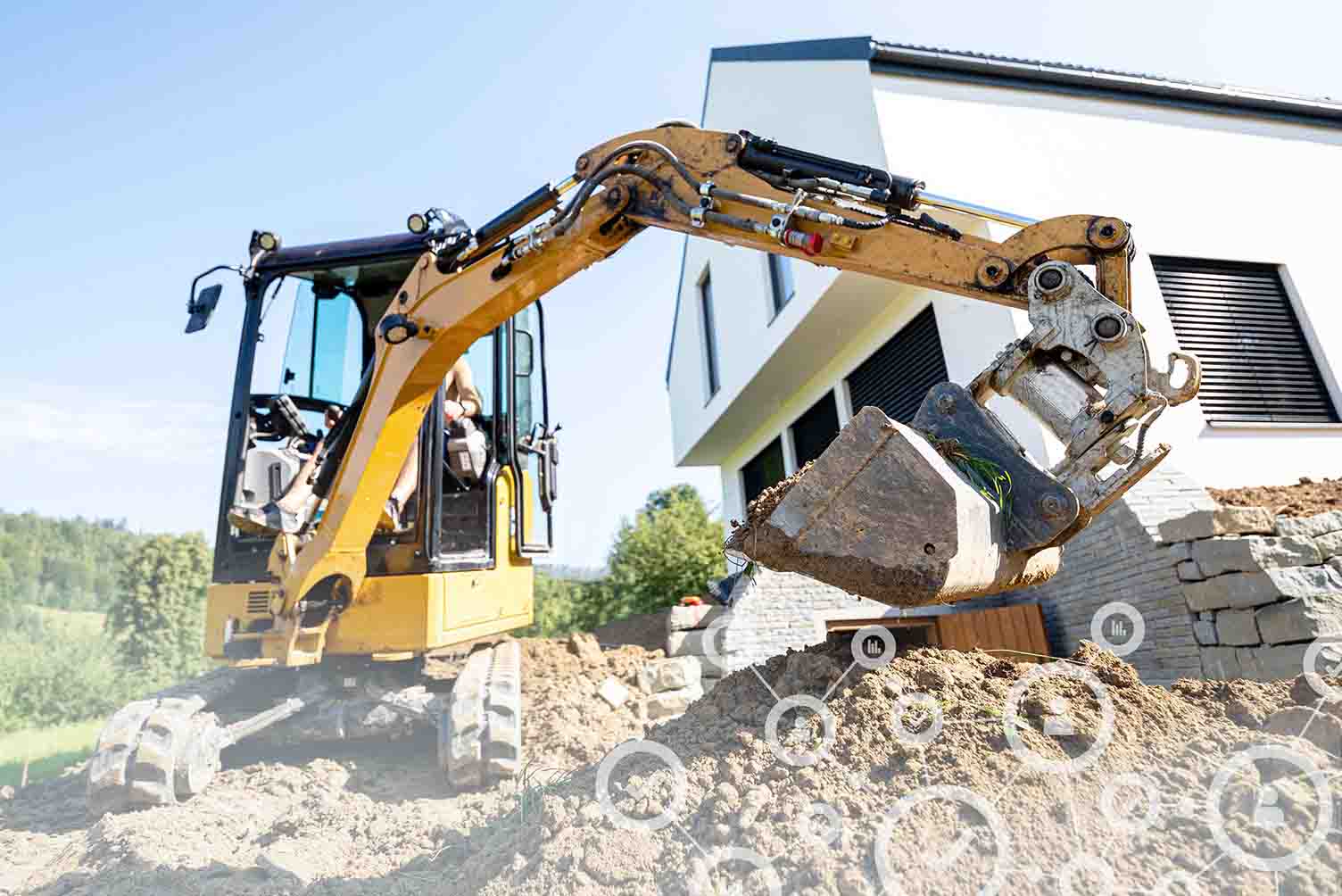
The equipment rental market has grown from a niche construction-site convenience into a mainstream way for businesses of every size to access machinery without tying up cash in ownership. If you’re a contractor with idle machines, a dealer looking to add a new revenue line, or an entrepreneur weighing whether to launch a rental business from scratch, the case for renting out machines, tools, and equipment has never been stronger.
This guide walks through four concrete reasons to get started, the equipment categories worth stocking, and how modern rental software makes running that business realistic — even for a small team.
The Benefits of Equipment Rental
1. Cost-Effective Solutions
Renting out equipment is a capital-efficient business model. Instead of one customer buying one machine and using it a fraction of the time, a rental fleet keeps that same machine working for dozens of customers across its lifetime — which is exactly why utilization, not ownership, is the metric that determines profitability in this industry.
A purpose-built equipment rental inventory management system removes the manual admin and human error that quietly erode margins in spreadsheet-run operations. The right platform helps you:
- Increase utilization and revenue per asset by showing exactly which machines are sitting idle and where demand is highest.
- Simplify booking, inventory, and invoicing within one comprehensive system, so quotes turn into paid, scheduled jobs in a few clicks.
“The businesses that win in equipment rental aren’t necessarily the ones with the biggest fleet — they’re the ones that know, in real time, which asset is making money and which one is sitting still.” — Asgeir Helland, Rental Industry Expert at Sharefox
Rent vs. buy — the trade-off your customers are weighing
This is precisely the trade-off your marketing should speak to: you’re not just renting out a machine, you’re selling away the risk and hassle of ownership.
2. Access to the Right Equipment
Giving customers access to the right equipment — without the burden of ownership — is the core value proposition of any rental business. A digital rental commerce platform lets you scale equipment and vehicle rental operations efficiently, with a complete rental management system that serves both B2C and B2B customers.
A well-run fleet can supply the machinery a jobsite actually needs, whether that’s:
- Heavy equipment like an excavator
- A specialized aerial work platform
- Construction machinery for short-notice projects
3. Flexibility and Convenience
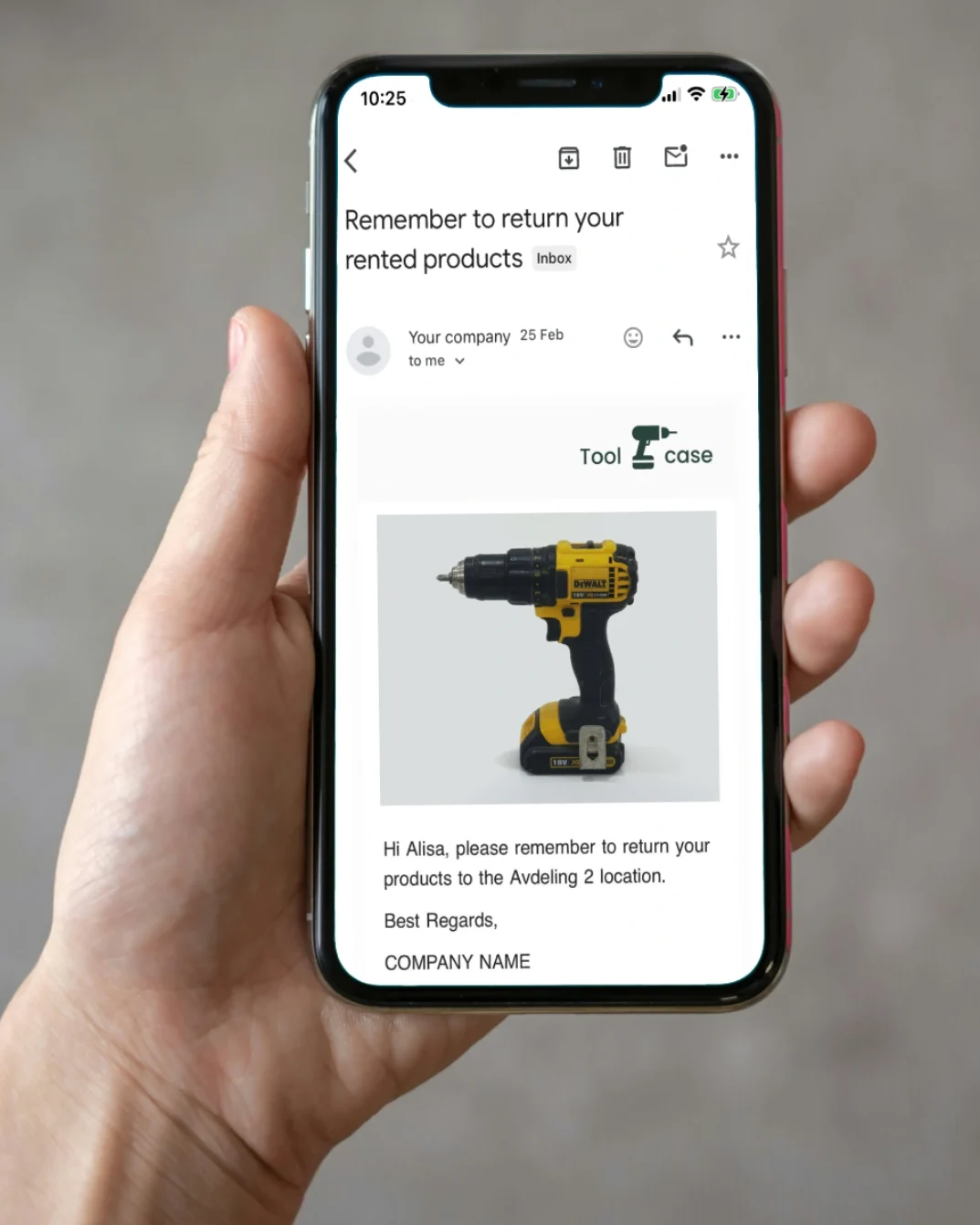
Flexibility is what turns a one-time renter into a repeat customer. Self-service booking, including automated check-in/check-out through smart-lock and payment integrations, lets customers reserve and collect equipment on their own schedule — including outside your office hours.
This flexible model supports everything from short-term rentals to long-term commitments, and hybrid combinations of both, such as:
- Power tool and pressure washer rentals for short-term needs
- Construction equipment rentals for long-term projects
Types of Rental Equipment
Aerial Work Platforms
Aerial work platforms are essential for any job requiring elevated access. A diverse fleet of aerial lifts — including scissor lifts and boom lifts — lets your customers reach height safely without buying equipment they’ll use only a few times a year. Because aerial platforms carry real operational risk, operators should also be familiar with recognized safety guidance, such as OSHA’s standards for aerial lift use (see Sources below), and build inspection routines into every turnaround.
Material Handling Equipment
Efficient material handling keeps a jobsite moving. Forklifts, telehandlers, and pallet jacks let businesses transport and manage heavy loads without owning a fleet outright. Tracking these assets properly — service intervals, location, condition — is where a dedicated inventory management system pays for itself, since a lost or poorly maintained forklift is a lost rental day.
Earthmoving and Compaction Tools
For construction and landscaping work, reliable earthmoving and compaction equipment is non-negotiable. A strong rental fleet includes excavators, skid steers, trenchers, and loaders, alongside compaction tools such as vibratory plates and rollers — covering everything from ground preparation to finishing work. If you’re weighing which of these categories to stock first, this guide to starting an equipment rental business breaks down demand by category and region.
How to Find the Right Equipment
Browsing Options for Rental Equipment
A well-organized rental storefront makes finding the right machine effortless — from an excavator or a forklift to a specialized power tool. Clear categorization (by job type, size, or vertical) reduces the number of support calls you get from customers unsure what to book, and it’s one of the fastest wins covered in Sharefox’s equipment rental pricing strategy guide.
Using Mobile Apps for Easy Access
Mobile-first booking means customers can browse, select, and manage rental dates from the jobsite, not just from a desktop. That convenience compounds: the easier it is to rebook, the more likely a one-time renter becomes a repeat one.
Creating an Account for Rentals
An online account gives customers self-service control over their own rentals — from checking availability to managing invoices — while giving operators a single source of truth on every booking. Sharefox is built specifically to let rental companies run and scale this kind of operation through automation rather than manual admin. You can see the platform in action by booking a demo or exploring current pricing.

 All in one platform