Skip to main content



Baisikeli is a B Corp?certified, socially responsible bicycle rental and workshop chain founded in Denmark in 2003. Two years of pandemic closures, a wave of new mobility competitors, and a noticeable dip in five?star Google reviews pushed the company to rethink how it rents out bikes — and to finally digitize a process that had barely changed in a decade. Here’s the full story of why they made the switch, and what it can teach other rental businesses considering the same move.
Why the rental market looked completely different after the pandemic
Almost two years of shutdowns gutted the rental industry, and when doors reopened, customer expectations had moved on without it. While shops were closed, consumers got comfortable ordering everything online — groceries, taxis, even the bike itself, if it was an electric scooter parked on a street corner.
“The rental market was completely gone for two years, and the pandemic and developments have changed the picture completely. First came the pandemic, then the share of electric scooters entered the market and floated in the streets of Copenhagen, and with that, people have gotten used to the fact that things are just smarter.” — Mikki Dall, Marketing Manager, Baisikeli
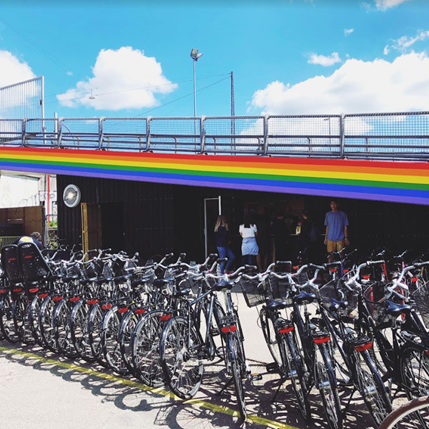
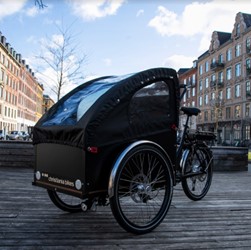
New micro?mobility players set the bar for what “renting” should feel like: open an app, unlock a bike, ride, pay automatically. Suddenly, a traditional bicycle rental business with paper registration forms and in?person pickup looked outdated by comparison — even though Baisikeli’s fleet, including premium cargo bikes from Christiania Bike and Nihola, was as good as ever.
The hidden cost of manual rental processes
Before digitizing, Baisikeli’s team spent hours every day on repetitive admin: answering the same emails about equipment availability, insurance, and cargo bike specs, while phones rang non?stop during the morning rush of pickups. Customers had to walk in, fill out a paper form, and wait to be handed a bike — a process that created bottlenecks precisely when demand was highest.
This is a familiar pattern across the rental industry more broadly, and one that’s well documented in Sharefox’s own analysis of technology trends shaping the rental industry. Manual, single-channel operations simply don’t scale once demand becomes seasonal and time-sensitive, which is exactly the shape of bike tourism.
The tipping point: declining Google reviews
The clearest business signal came from customer feedback. Baisikeli started seeing three- and four-star Google reviews instead of the five stars it was used to — not because of poor service or bad equipment, but because customers felt the wait to get a bike delivered took too long.
That’s a subtle but important distinction: the product (the bikes) hadn’t gotten worse. The process around it had fallen behind consumer expectations for speed and convenience — the same shift documented in broader research on why self-service makes renting as easy as online shopping.
Comparing the old process with the digitized one
| Step in the rental journey | Traditional (pre-digitization) | Digitized self-service model |
|---|---|---|
| Finding the store & options | Phone call or walk-in only | Online store with live availability |
| Checking terms, insurance, pricing | Explained manually by staff | Published on the booking page |
| Reserving a bike | Paper ledger / phone booking | Instant online booking with calendar |
| Payment | On-site, cash or card | Paid in advance online |
| Pickup | In-person, staffed | Self-service pickup, no staff required |
| Fleet visibility | Manual counts, easy to overbook | Real-time inventory tracking |
| Peak-season staffing load | High — every task is manual | Lower — routine tasks are automated |
The pattern above isn’t unique to bicycles — it shows up across equipment, vehicle, and outdoor gear rental categories wherever a business moves from manual booking to a self-service model.
What Baisikeli actually wanted from a new system
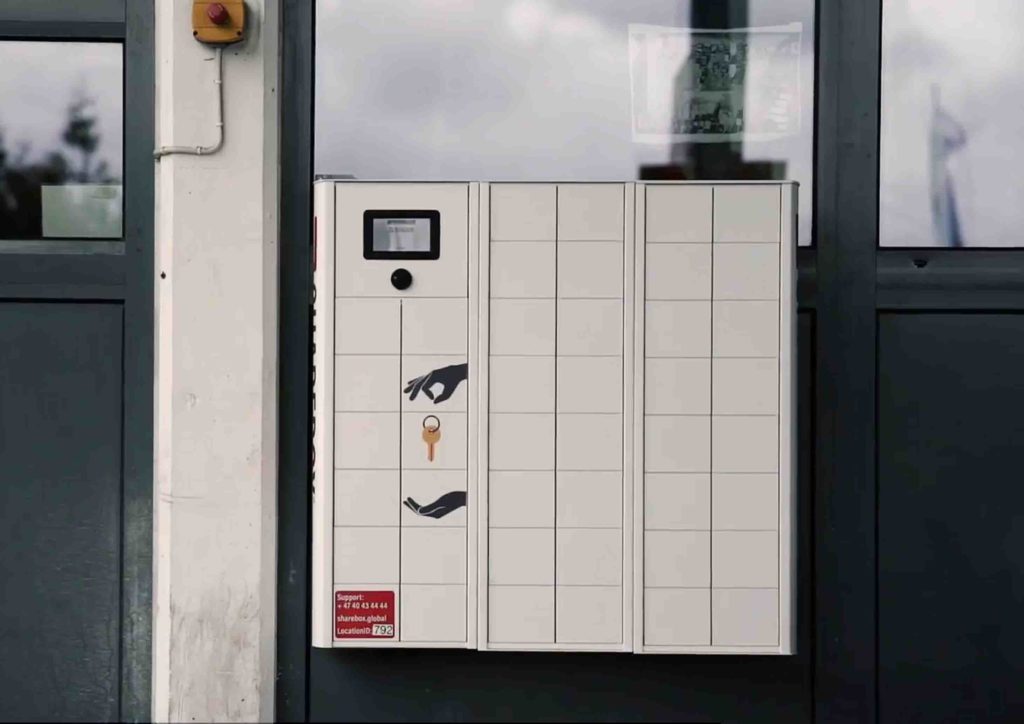
Dall described the “dream scenario” in very concrete terms: a customer should be able to find the store online, read the terms and insurance information themselves, order exactly the equipment needed, pay in advance, receive a confirmation and invoice by email, and pick up and return the bike without needing staff at all.
That checklist — booking, payment, contracts, and unattended pickup — maps closely to what modern rental booking software and self-service rental systems are built to handle, which is why Baisikeli evaluated its options against exactly those capabilities rather than starting from scratch.
Choosing Sharefox: flexibility over rigid workflows
Dall specifically pointed to flexibility as the deciding factor, along with the built-in upsell opportunity at checkout — letting customers add a helmet, child trailer, or upgrade to an e-bike while booking.
“It is a smart system where the customer does all the work themselves and the possibility of additional sales when choosing equipment is an important game changer for future income.” — Mikki Dall, Marketing Manager, Baisikeli
Because Baisikeli was still actively rethinking its business model — cheap daily rentals versus fewer, longer-term rentals — it needed a platform that wouldn’t lock it into one workflow. That’s a common requirement among growing rental operators, and it’s the same reasoning behind our guide on choosing the right rental software for a bike or outdoor equipment business.
Sustainability was part of the business case, not an afterthought
Baisikeli’s founding mission — collecting bicycles that would otherwise be scrapped in Denmark and getting them repaired and resold in parts of Africa where affordable transport is scarce — is inseparable from its B Corp certification. Digitizing operations didn’t dilute that mission; it reinforced it, by making the rental side of the business efficient enough to keep funding it. This mirrors a wider trend we track in our coverage of the circular economy in the rental industry: operational efficiency and sustainability tend to move together, not against each other.
The result: a business built for how customers already behave
Baisikeli’s season runs through October, and the company is still refining its new approach — but the direction is set. By closing the gap between what modern renters expect (speed, self-service, transparency) and what a “good old-fashioned bicycle business” could offer manually, Baisikeli positioned itself to compete with app-based mobility players without abandoning what made it distinctive: quality bikes, local expertise, and a genuine sustainability mission.
Rental businesses considering the same move can start by booking a demo to see how a self-service booking, payment, and inventory system compares to their current manual process — or read more about how Sharefox works for bicycle rental businesses specifically.

 All in one platform