Skip to main content


Retail is no longer just about selling products — it’s about giving customers access to them. Clothing, outdoor gear, tools, event equipment: more retail chains are adding rental as a second revenue line alongside sales, and the businesses that do it well are the ones that treat rental as a real operational discipline, not a side project bolted onto an e-commerce cart.
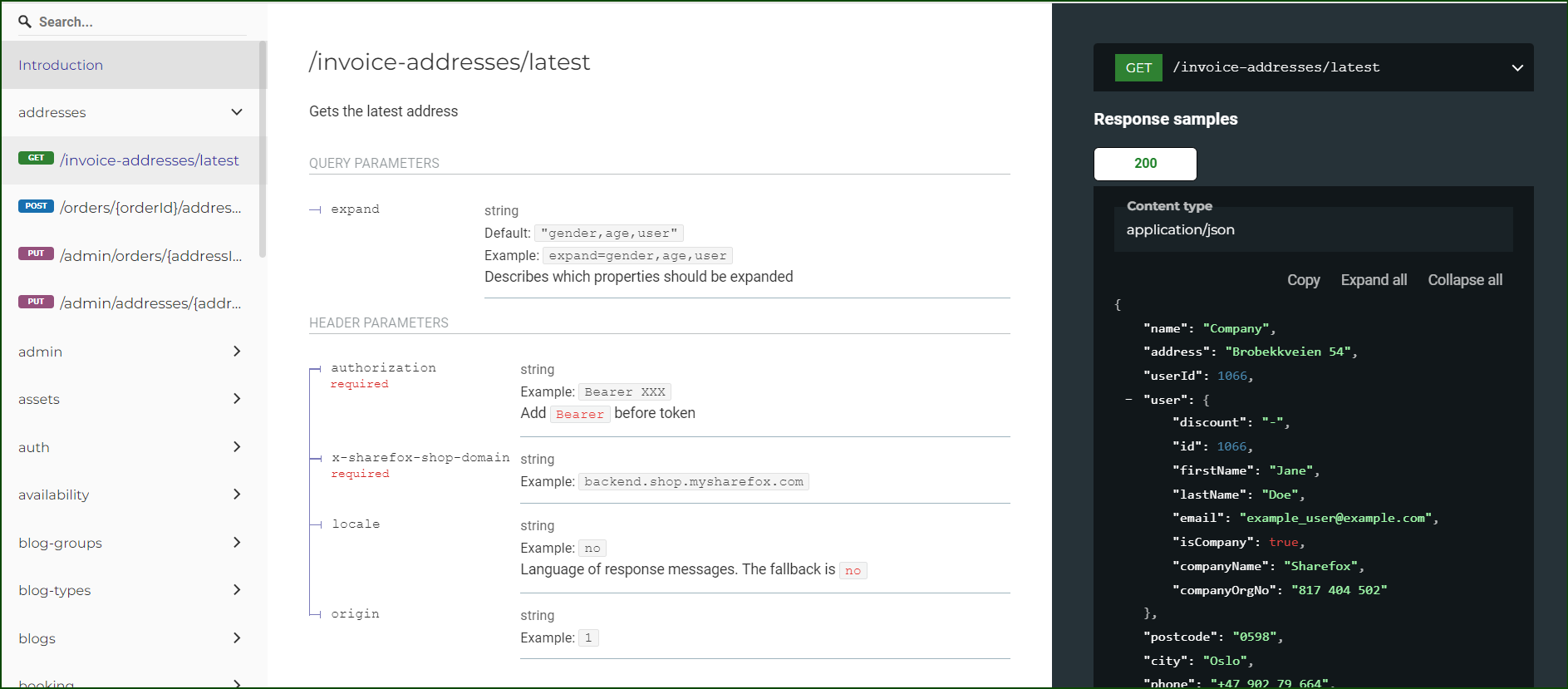
That’s where the Sharefox API comes in. It gives retail chains a way to plug proven rental infrastructure — booking, inventory, pricing, payments, and ID verification — directly into the systems they already run, instead of building all of it from scratch. This guide walks through what the API actually does, how to integrate it, and what retail chains realistically gain from using it.
Introduction to Sharefox API
The Sharefox API provides a gateway to a comprehensive digital rental commerce platform, designed to elevate the rental experience for both businesses and their customers. Understanding its core functionality is the first step to unlocking real operational value.
What is Sharefox?
Sharefox is a digital rental commerce platform built to help businesses run and scale equipment and vehicle rental operations. It’s a full rental management system — booking, pricing, inventory, payments, and ID verification in one place — designed to replace the patchwork of spreadsheets, phone bookings, and manual invoicing that many rental and retail operations still rely on.
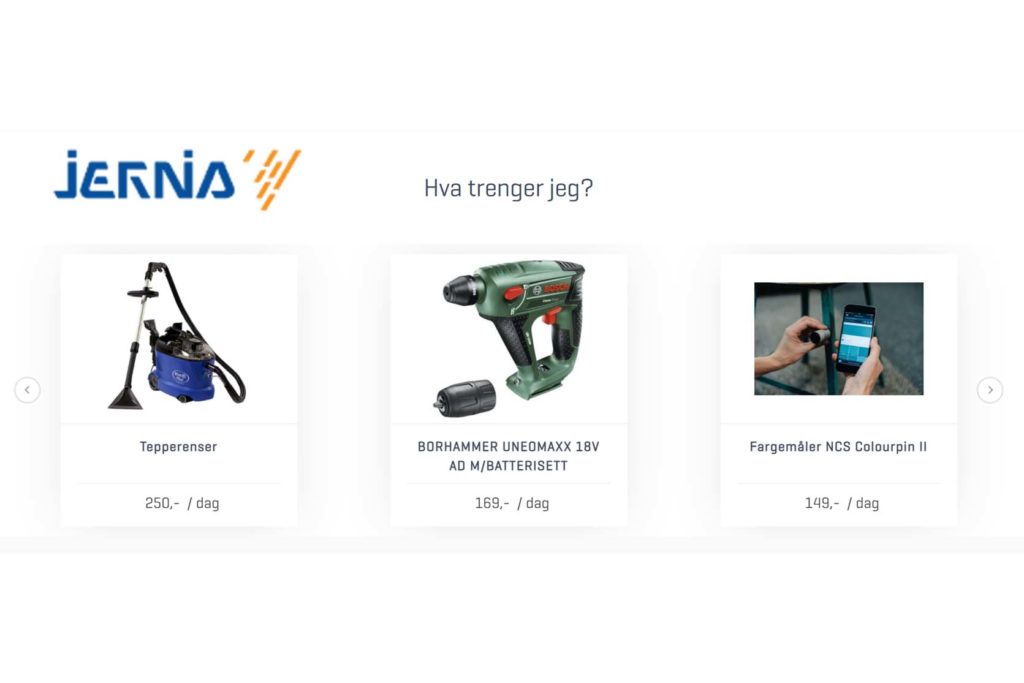
The platform is used across several verticals, including the retail enterprise segment, where chains add rental as a parallel revenue stream to their core retail business. You can see this in practice in Sharefox’s case study with Monter, a building-materials retail chain that added equipment rental to its existing store network.
Overview of Sharefox API
The Sharefox API lets retail chains integrate Sharefox’s rental management capabilities directly into their existing systems — website, point-of-sale, or back office — rather than adopting an isolated, stand-alone rental tool. This matters for retail specifically, because most chains already have significant investment in their e-commerce stack and don’t want a second, disconnected system for rental.
Because the API exposes the platform’s core functions programmatically, developers can manage bookings, inventory, and customer data without leaving the retailer’s own environment. That’s the difference between “renting through Sharefox” and “renting through your own website, powered by Sharefox.”
Key Features of Sharefox API
| Feature Category | Key Capabilities / Integrations |
|---|---|
| Booking & Inventory Management | Manage availability and reservations across locations |
| Self-Service Check-in/out | Automated processes via self-service rental integrations such as Sharebox and Inlet |
| API Flexibility (MultiCommerce) | Supports subscriptions, short- and long-term rentals, sales, and service bookings |
| Crucial Integrations | Visma (accounting), Nets (payment), Criipto (ID verification) — see the full integrations page |
| Advanced Tools | Pricing configuration, analytics, and automation for operations |
Integrating Sharefox API into Retail Operations
Seamless Integration with Existing Systems
The API is designed to connect with the retail systems chains already run — e-commerce platforms, CRM, and back-office tools — without requiring a rebuild of existing infrastructure. This matters because rental, done badly, tends to create a second silo of customer and inventory data that never talks to the main retail system. Done through the API, rental data flows into the same environment as the rest of the business.
Steps to Integrate Sharefox API
- Get API access and review the documentation. This covers endpoints, data models, and authentication.
- Define your integration strategy. Decide which functions — booking, inventory, payments — matter most for your specific retail chain, and how the API should sit alongside your website or POS.
- Develop and test. This is where reliability and security get validated before customers touch the system.
Chains that are still deciding whether the investment makes sense often start with the ROI calculator to model utilization and revenue-per-asset before committing engineering time.
Tools for Integration
Most integrations are built by developers using Python, JavaScript, or C# with standard HTTP client libraries. For retail chains that want to limit custom code, middleware or iPaaS platforms can handle the data mapping and workflow orchestration between Sharefox and other business systems. API testing tools are a standard part of the process, used to validate functionality and data integrity before go-live.
Utilizing Sharefox for Rental Solutions
Benefits of Using Sharefox Rental Solutions
Sharefox consolidates booking, inventory, and invoicing into one platform, cutting down on manual administration and the errors that come with it. For retail chains specifically, that means:
- Self-service booking and returns, with ID verification and payments built in, so customers don’t need staff involvement for routine transactions.
- Higher utilization and revenue per asset, since idle inventory is more visible and easier to put back into circulation.
- Faster expansion into new locations, since the same rental infrastructure scales across stores without rebuilding it each time.
As one retail operations lead put it when reflecting on a rental rollout across a multi-site chain:
“The hard part of rental was never the idea — it was the admin. Booking conflicts, manual invoicing, chasing deposits. Once that layer was automated, rental stopped being a side project and started being a real channel.”
Managing Inventory with Sharefox
The Booking & Inventory Management module gives retail operators visibility over every unit — availability, condition, and booking history — from a single system. That visibility is what makes it possible to actually raise utilization, rather than just hoping idle stock gets rented eventually.
Setting Up Rental Options on Your Website
Retail chains typically use the API to embed booking widgets or build custom rental interfaces directly into their existing website design, so customers can check availability, select durations, and pay without leaving the retailer’s own domain. Sharefox’s Academy documentation covers the practical steps for setting up a rental page inside the platform before wiring it into the front end.
Build In-House vs. Integrate via API
Retail chains evaluating rental usually weigh two paths: building booking and inventory logic in-house, or integrating a platform like Sharefox through its API. Here’s how the two typically compare:
| Factor | Build In-House | Integrate via Sharefox API |
|---|---|---|
| Time to launch | Months to a year+ | Weeks, depending on scope |
| Upfront dev cost | High — custom booking, pricing, payment logic | Lower — integration work, not platform-building |
| Payment & ID compliance | Must be built and maintained internally | Handled via existing integrations (Nets, Criipto) |
| Ongoing maintenance | Falls entirely on internal dev team | Shared with the platform provider |
| Multi-location scaling | Rebuilt or adapted per location | Same infrastructure extends across sites |
| Flexibility for custom UX | Full control, but slower to change | High, within API’s data model |
Neither path is universally “correct” — a chain with a large in-house engineering team and very unusual booking logic may still choose to build. But for most mid-market retail chains, the API route trades a smaller amount of flexibility for a much shorter path to a working rental channel.
Enhancing Customer Experience with Sharefox
Self-Service Booking Systems
Self-service booking lets customers manage the entire rental journey — booking, check-in, check-out — independently. Combined with integrations like Sharebox and Inlet, this removes staff from routine transactions entirely, which matters for retail chains running rental alongside a retail floor that’s already busy.
Payment Solutions Available through Sharefox
Payment and ID verification are handled through the platform’s existing integrations (Nets for payment, Criipto for ID), giving retail chains a compliant, secure transaction flow without needing to build or maintain that layer themselves.
Customer Support and Documentation
Sharefox provides documentation covering the API and platform features, along with a support team for implementation questions. For chains building their first integration, the Academy section is a practical starting point before opening a support ticket.
Case Studies: Success Stories of Sharefox API
Retail chains across different sectors have used Sharefox to build booking systems that sit inside their existing digital storefronts, extending into equipment and product categories beyond a typical retail catalog. Related reading on this pattern:
Impact on Revenue and Customer Satisfaction
The consistent pattern across implementations is the same: automating booking and inventory frees up staff time, and better visibility into asset utilization tends to translate into more of that asset actually being rented, rather than sitting idle. That’s a maintenance and process outcome as much as it is a technology one — the API removes friction, but the gains come from what the retail chain does with that freed-up capacity.
Lessons Learned from Implementing Sharefox
The recurring lesson across integrations is planning: chains that map out which features they actually need — booking, inventory, payments — before development starts tend to have smoother rollouts than those that try to integrate everything at once.
Conclusion
Key Takeaways
Sharefox offers a rental management system built for both B2C and B2B customers, with self-service booking, flexible pricing, and integrations that cover accounting, payments, and ID verification. For retail chains, the practical value of the API is that it lets rental sit inside existing systems rather than next to them — one customer record, one inventory view, one payment flow.
Future of Rental Solutions with Sharefox
Rental as a retail channel is still maturing, and the direction is toward deeper integration and more automation, not less. Retail chains that build the connective tissue now — through the API rather than around it — are better positioned as that automation expands.
Contact and Further Exploration
If you want to see whether rental fits your retail chain’s model, book a demo or start with the ROI calculator to get a rough sense of the numbers before committing engineering time. You can also read more about Sharefox’s approach on the About Us page.

 All in one platform