Skip to main content


Sauna and wellness “experience” rentals — mobile barrel saunas, floating fjord saunas, cold-plunge setups, yoga pop-ups — have moved from niche hobby to a genuine small-business category over the past few years. The appeal is simple: low fixed overhead, high perceived value, and a product that markets itself on Instagram. The operational side is less simple. Unlike renting out a drill or a dumpster, a sauna business sells time slots for an experience, which means booking logistics, capacity management, and customer communication matter as much as the sauna itself.
This guide walks through how to plan, launch, and run a profitable sauna and experience booking business, drawing on how established rental and experience operators structure their offer, price it, and manage bookings day to day.
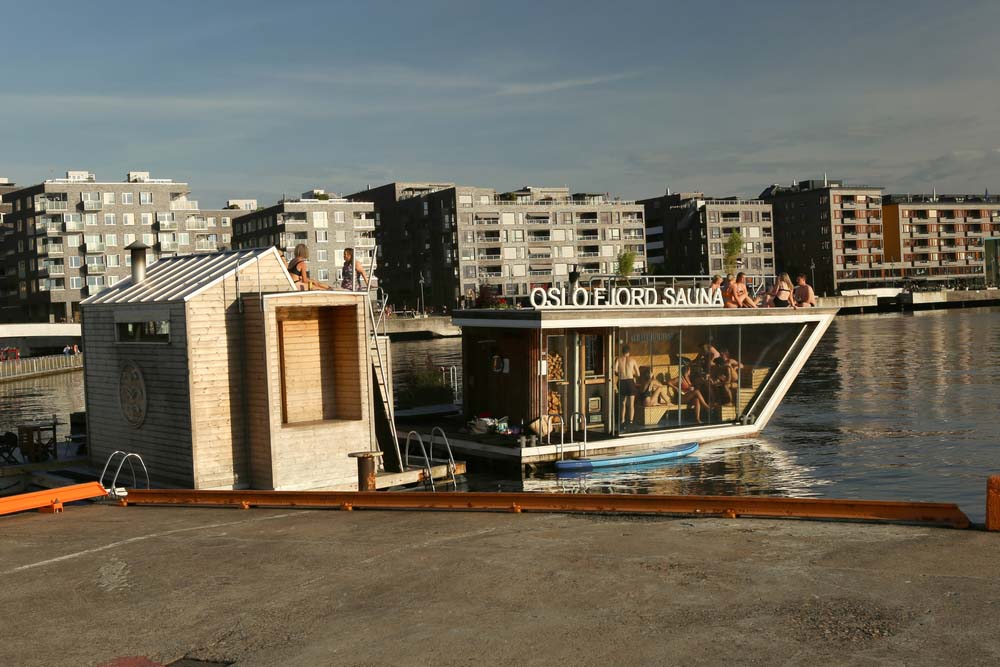
Oslo, Norway – July 9, 2021: The floating Oslo
Understanding Sauna and Experience Culture
A genuine appreciation for sauna and wellness culture is the foundation of a credible business here — customers can tell the difference between an operator who understands the ritual and one who is just renting out a hot box. This matters commercially too: research from the Global Wellness Institute consistently shows thermal and mineral springs / sauna-adjacent wellness tourism as one of the faster-growing segments of the broader wellness economy, which has been valued well into the trillions of dollars globally.
Why Sauna and Heat-Based Wellness Keeps Growing
Sauna use has centuries of tradition behind it, particularly in Nordic countries, and modern interest is being pulled along by two trends: a broader consumer shift toward experiential spending over material goods, and growing public interest in heat and cold exposure as recovery tools. Peer-reviewed public health research, including work published via outlets like Harvard Health Publishing, has linked regular sauna bathing to potential cardiovascular benefits, which gives operators legitimate, non-exaggerated language to use in marketing.
The Different “Experiences” Worth Offering
The category has expanded well beyond a single wood-fired box:
- Traditional wood-fired barrel saunas — the rustic, cedar-scented classic
- Electric mobile saunas — easier to permit and operate in dense urban settings
- Floating or fjord-style saunas — a premium, destination-style offering
- Cold plunge add-ons — paired with sauna sessions for contrast therapy
- Adjacent bookable experiences — outdoor yoga, breathwork sessions, private event add-ons
Bundling a few of these into a single bookable calendar is usually more profitable than running one static offer, because it lets you sell different price points to different customer segments from the same asset base.
“People aren’t really booking a sauna slot — they’re booking two hours away from their phone. If your booking flow feels like renting a jackhammer, you’ve already lost some of that magic before they’ve even shown up.” — a Nordic mobile sauna operator, on what separates commodity rentals from experience businesses
Sauna and Experience Business Models
Trailer-Based Mobile Sauna Rentals
A dedicated sauna trailer — usually a wood-stove-heated cedar barrel unit — built for towing lets you bring the full experience to backyards, private events, and pop-up locations. This is the most flexible model to start with because it doesn’t require a fixed lease.
Barrel Sauna Rentals at a Fixed or Semi-Fixed Location
Some operators skip the trailer and instead place one or more barrel saunas at a waterfront, campsite, or hotel partner site, renting hourly slots on a recurring rental booking software calendar. Lower mobility, but simpler logistics and no towing insurance to worry about.
Custom and Premium Experience Builds
Combining a sauna with a cold plunge, sound system, or bespoke interior lets you charge a premium and pursue B2B partnerships with gyms, hotels, and event rental planners — a route that tends to command materially higher per-session pricing than a standard walk-up sauna slot.
Business Model Comparison
| Model | Typical Setup Cost | Mobility | Best For | Booking Complexity |
|---|---|---|---|---|
| Trailer-based mobile sauna | Medium–High | High | Private events, pop-ups, festivals | Medium (location + time slot) |
| Fixed/semi-fixed barrel sauna | Low–Medium | Low | Recurring local customers, hotel partners | Low (time slot only) |
| Floating/fjord sauna | High | Low–Medium | Destination/tourism, premium pricing | Medium (weather-dependent) |
| Custom multi-experience (sauna + cold plunge + yoga) | High | Medium | B2B partnerships, wellness studios | High (multi-resource scheduling) |
Setting Up Your Sauna and Experience Booking Service
Choosing the Right Equipment
Your choice between a barrel sauna and a purpose-built trailer, and between wood stove and electric heating, should be driven by your target location and permitting environment as much as by aesthetics. Electric units are usually easier to operate inside cities with fire restrictions; wood-fired units carry more of the “authentic” appeal that drives referrals and social sharing.
Investing in Reliable Heating and Safety Systems
Heating reliability is the single biggest driver of customer satisfaction and repeat bookings — a session that runs cold is a refund, a bad review, and a lost customer. Whatever system you choose, budget for regular maintenance and a backup plan for high-demand weekends.
Getting the Booking Logistics Right
This is where a lot of first-time operators underestimate the work. You need a system that can:
- Show real-time availability across one or multiple sauna units
- Handle deposits and pre-payment for private bookings
- Send automated reminders and check-in instructions
- Track maintenance windows (cooldown, cleaning, restocking wood) as unavailable time
- Support both B2C walk-up bookings and B2B contracts with hotels, gyms, or event planners
A B2C and B2B-capable booking system that unifies self-service booking with integrated payments removes a huge amount of manual back-and-forth compared to running everything through DMs and a shared spreadsheet.
Understanding the Economics
A sound business case starts with mapping every cost: the sauna or trailer itself, heating fuel or electricity, insurance, permits, cleaning, and towing/transport if mobile. Against that, model your realistic utilization rate — most mobile sauna operators do not run at full capacity every day, especially outside peak season — and use a ROI calculator to sanity-check your break-even point before committing to a second unit.
Marketing Your Sauna and Experience Business
Identifying Your Audience
Your core customers typically fall into a few groups: individuals wanting a private backyard wellness session, fitness- and recovery-focused customers layering sauna into a gym or yoga routine, and event organizers looking for a distinctive add-on. Each group responds to different messaging and different price anchors, so it’s worth segmenting your offer (and your booking categories) accordingly — a pattern that echoes how outdoor gear rental businesses segment casual renters from serious enthusiasts.
Advertising That Converts
Visual content does most of the heavy lifting here. Photos and short video of the actual setup — steam, water, the surrounding scenery — consistently outperform generic stock imagery, which is part of why a real, credited photo (like the Oslo fjord sauna above) builds more trust than an illustration.
Social Proof and Community
Instagram and Facebook remain the primary discovery channels for this category. Customer testimonials, behind-the-scenes content on how the sauna is heated and maintained, and partnerships with local wellness accounts all compound over time into consistent organic bookings.
Maximizing Revenue and Profit
Streamlining Operations
A booking calendar system that handles scheduling, payments, and customer communication in one place is what allows a one- or two-person sauna business to scale past a handful of manual bookings a week without hiring extra staff.
Getting Pricing Right
Pricing per hour or per session needs to reflect both your direct costs and the premium nature of the experience — a lesson that applies broadly across the industry, as covered in this guide to pricing strategies for rental businesses. Many mobile sauna operators land on tiered pricing: a base hourly rate for standard sessions, and a materially higher rate for private group bookings or events.
Expanding the Offer
Once the core sauna business is running smoothly, layering in adjacent bookable experiences — cold plunge add-ons, guided breathwork, partnership packages with venue rental operators — is usually the fastest way to grow revenue without buying a second sauna. It’s a similar diversification logic to what works well for operators running a rental service of sports equipment: more bookable inventory from the same customer base and marketing spend.


 All in one platform