Skip to main content


Starting a sports equipment rental service can be a rewarding venture, tapping into the growing demand for flexible and affordable access to sports gear. This guide walks you through the essential steps — from understanding the market to managing day-to-day operations — so your business is set up for sustainable growth from day one.
“The businesses that win in equipment rental aren’t the ones with the biggest fleet — they’re the ones who make booking, picking up, and returning gear feel effortless. Once that friction disappears, customers rent more often and tell their friends.” — a rental operations consultant who has advised outdoor and sports rental shops across Europe and North America
Understanding the Sports Equipment Rental Market
Overview of Sports Rental Opportunities
The rental economy has moved well beyond cars and party supplies. Consumers increasingly prefer access over ownership, especially for gear they use only occasionally — skis, bikes, kayaks, or camping equipment. Platforms like Sharefox’s rental software for sports businesses show how a purpose-built digital rental commerce platform lets operators start small and scale efficiently, serving both individual consumers (B2C) and business clients such as hotels, camps, and resorts (B2B).
According to McKinsey & Company’s research on the shift toward subscription and rental models, consumers across categories are increasingly comfortable paying for access rather than ownership when the value proposition — cost, convenience, and flexibility — is clear.¹ For sports gear specifically, that shift shows up in three practical ways: shoppers want to try gear before buying, tourists don’t want to travel with bulky equipment, and casual participants don’t want to pay full retail price for something they’ll use a handful of times a year.
Identifying Popular Sports Gear
To thrive in this market, it helps to know which categories consistently draw renters:
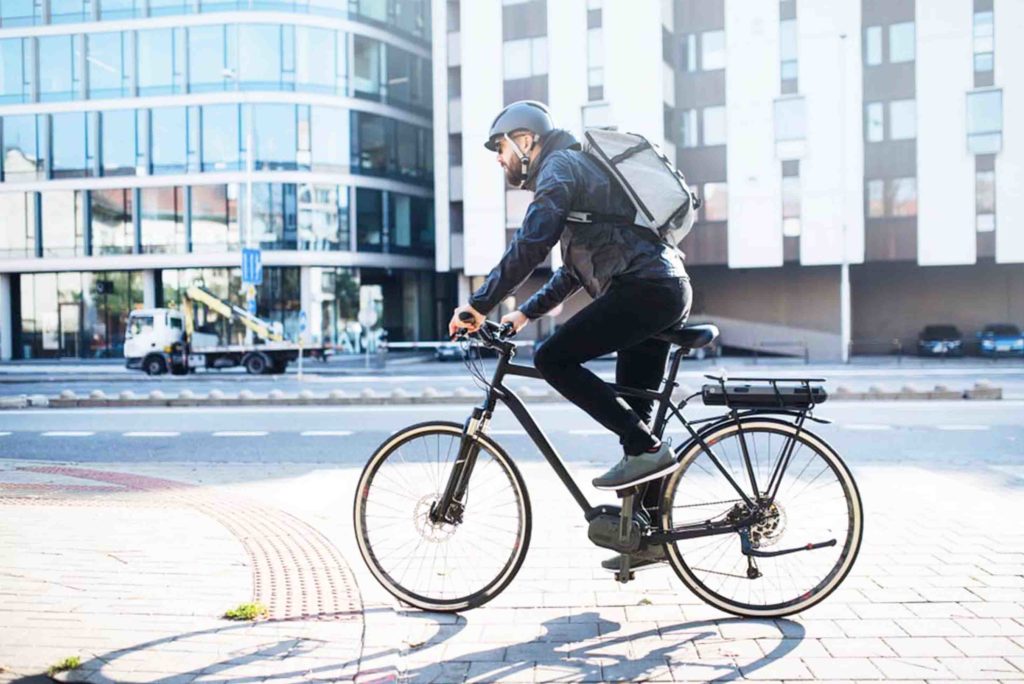
- Bikes — for city exploration, e-bike commuting, and mountain trails
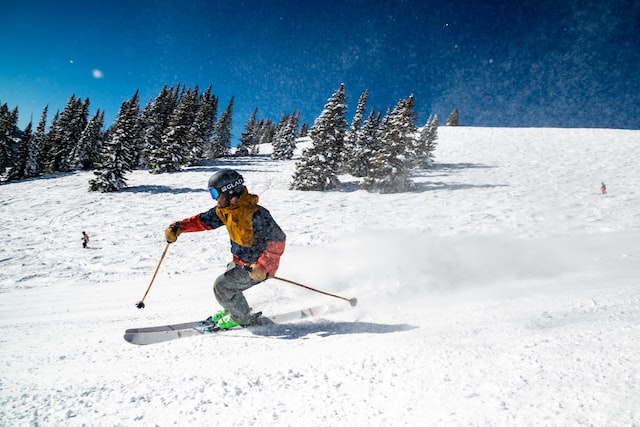
- Ski and snowshoe equipment — a reliable winter-season driver
- Kayaks and paddleboards — strong demand from tourists and coastal communities
- Golf clubs — popular with travelers who want a quick round without checking a bag
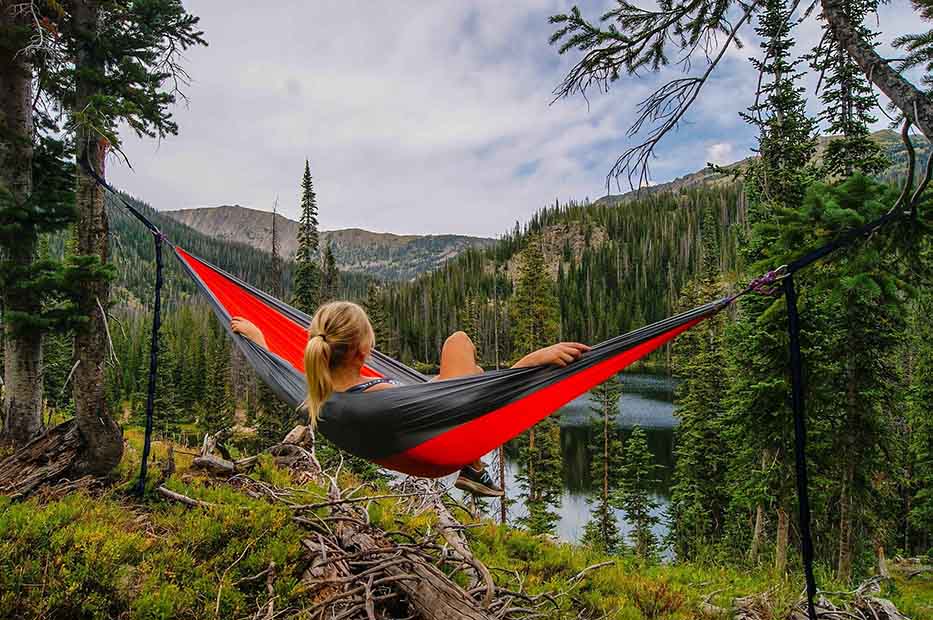
- Camping gear and tents — tents, sleeping bags, and cookware for weekend trips
- Volleyball and other seasonal team-sport sets — driven by local clubs, schools, and events
Camping gear, volleyball sets, and other seasonal sports equipment consistently show high demand, driven by vacationers and local community members seeking affordable, flexible access without the commitment of a purchase.
Market Trends in Equipment Rental
A few trends are shaping the industry right now:
- Experience over ownership. Renters want the activity, not the asset sitting in a garage for 11 months a year.
- Same-day and last-minute booking. Customers expect to reserve gear the way they book a hotel room — instantly, from a phone.
- Delivery and flexible pickup/return. Convenience is now a competitive differentiator, not a nice-to-have.
- Secure, transparent pricing. Shoppers compare rates across operators before committing, so clear, upfront pricing builds trust.
Setting Up Your Sports Gear Rental Business
Choosing the Right Location for Your Rental Service
Location remains a cornerstone of any successful rental service. A site near a ski lift, bike trail, marina, or tourist hub puts your gear in front of people who are actively looking for it. Whether that’s a storefront, a kiosk, or a locker-based self-service point, convenient pickup and return options directly improve the customer experience and encourage repeat business. If you’re weighing a staffed location against an unattended one, Sharefox’s guide on self-service rentals breaks down what to consider.
Essential Tools for Starting Your Rental Service
Beyond the physical gear itself, the single highest-leverage investment for a new rental business is a proper rental commerce platform. An all-in-one system with booking, inventory management, and self-service check-in/out streamlines both short- and long-term rentals, and gives you:
- Real-time visibility into what’s available, out, or being serviced
- Flexible pricing configuration (hourly, daily, seasonal, package deals)
- Support for hybrid models — rent, sell, and subscribe from the same catalog
- Analytics and automation that reduce manual admin as you grow
Sharefox’s inventory and rental management system and rental booking software are built specifically to cover this operational backbone for SMB and mid-market rental businesses.
Creating a Business Plan for Sports Equipment Rental
A well-structured business plan is your roadmap. It should cover:
- Your product mix and target audience (tourists, locals, schools, corporate clients)
- Competitive analysis of other rental operators and outdoor retailers in your area
- Financial projections, including seasonal cash-flow swings
- Insurance needs for rental units and customer liability
- How you’ll price, market, and staff the business through peak and off-peak seasons
A clear plan lets you make informed decisions and confidently navigate the ups and downs of a seasonal industry. If you want a structured starting point, Sharefox’s guide on how to choose the right rental niche is a useful companion to this section.
Affordable and Convenient Sports Gear Rental Options
Pricing Strategies for Equipment Rental
Your pricing should reflect the value and condition of your gear while staying competitive and sustainable. Consider dynamic pricing based on demand, seasonality, and rental duration — a weekend ski package should be priced differently than a single-day rental. Offering clear pricing tiers helps customers self-select the right option, which increases bookings and reduces support requests. Sharefox’s breakdown of equipment rental pricing strategy walks through cost-based versus market-based approaches in more depth.
Renting vs. Buying: What the Numbers Look Like for Customers
One of the easiest ways to win over hesitant customers is to make the renting-versus-buying math visible. A simple comparison table on your site or in your marketing materials can do a lot of persuasive work:
Upfront Cost
Buying: High (full retail price)
Renting: Low (single session or weekly rate)
Storage & Maintenance
Buying: Owner’s responsibility year-round
Renting: Handled by the rental business
Trying New Gear/Models
Buying: Requires repeat purchases
Renting: Switch models each visit
Travel Convenience
Buying: Must transport your own gear
Renting: Pick up locally, no baggage fees
Best For
Buying: Frequent, year-round use
Renting: Occasional, seasonal, or trial use
Positioning your service around this comparison — rather than just listing prices — helps price-sensitive and convenience-driven customers see exactly why renting makes sense for their situation.
Seasonal Promotions for Sports Rentals
Leverage the calendar. Promote ski and snowshoe equipment in winter, and shift focus to bikes, kayaks, and camping gear once summer arrives. Bundle discounts for local community events, holidays, or last-minute bookings help you move inventory during predictable demand windows and keep utilization high year-round.
| Equipment Type | Peak Season | Secondary Season | Off-Season Strategy |
|---|---|---|---|
| Skis & snowshoes | Winter | — | Storage servicing, early-bird presale discounts |
| Bikes & e-bikes | Spring–Summer | Early Fall | Maintenance packages, off-season storage rentals |
| Kayaks & paddleboards | Summer | Late Spring | Discounted multi-day bundles, gear cleaning |
| Camping gear & tents | Summer | Spring/Fall weekends | Bundle with hiking gear, festival-season promos |
| Golf clubs | Spring–Fall | — | Indoor simulator partnerships, off-season storage deals |
Online vs. Brick-and-Mortar Rental Services
An online booking platform lets customers search, reserve, and pay from anywhere, and often supports same-day rentals or delivery — expanding your reach beyond your immediate neighborhood. A physical location adds a tangible, advice-driven experience. Most successful operators combine both: an online rental store for booking and payment, paired with a real-world pickup and return point for the hands-on experience customers still value.
Marketing Your Sports Equipment Rental Service
Utilizing Social Media for Promotion
Social platforms are where most first-time renters discover local gear shops. Share real photos and video of customers using your gear on the trail, slopes, or water, use relevant local hashtags, and encourage user-generated content. Authentic, unpolished content consistently outperforms overly produced ads in this category.
Partnerships with Local Camps and Sports Organizations
Partnering with summer camps, youth sports leagues, and outdoor clubs is one of the fastest ways to build a base of repeat, high-volume customers. Offering these organizations preferential rates in exchange for consistent bulk bookings builds a dependable revenue floor, while also positioning your brand as a trusted local resource.
Customer Engagement Strategies
Make the entire process — booking, pickup, use, and return — as frictionless as possible. Ask for reviews and feedback after every rental, and use loyalty programs or seasonal reminders to bring past customers back. A rental business’s reputation is built rental by rental, so treat every return as a chance to earn the next booking.
Managing and Maintaining Your Rental Inventory
Tracking Sports Gear Rentals
Manual tracking — spreadsheets, paper logs, sticky notes — breaks down quickly once you pass a few dozen items. A unified rental platform gives you clear visibility over bookings, damages, and unit availability in one place, reducing manual admin and human error while increasing utilization and revenue per asset. This is exactly the gap Sharefox’s platform is designed to close for growing sports rental operators.
Maintenance and Quality Control for Equipment
Implement a routine inspection, cleaning, and repair schedule for every category of gear. Check bike brakes and gears, inspect golf clubs for wear, and confirm ski bindings and boots meet safety standards before each rental. Well-maintained equipment protects your customers, reduces liability, and builds the kind of reputation that turns first-time renters into repeat ones.
Handling Returns and Customer Feedback
Make returns as smooth as the original booking — clear instructions, flexible drop-off windows, and a quick inspection process. Actively collect feedback through short surveys or direct follow-up, and respond to concerns quickly. Addressing issues promptly, whether about gear condition, pricing, or service, demonstrates commitment to customer satisfaction and builds long-term trust in your brand.
 All in one platform