Skip to main content


Rental operators lose money in small, invisible ways — an asset sitting idle because nobody logged its return, a spreadsheet that says “available” when the item is actually out for repair, a manual check-in process that takes ten minutes per customer. IT inventory management software exists to close those gaps. Done well, it turns a loose collection of spreadsheets and sticky notes into a single, accurate picture of every asset you own.
This guide breaks down what IT inventory management software actually does for rental businesses, the features worth paying for, and how to evaluate the tools on the market — including where a general-purpose IT asset management (ITAM) platform makes sense and where a rental-specific system like Sharefox’s inventory and rental management system is the better fit.

Understanding Inventory Management
What Is Inventory Management?
Inventory management is the process of overseeing an asset’s entire lifecycle — from procurement, through active use, to eventual retirement or resale. For a rental business, that lifecycle has an extra layer of complexity: the same asset moves in and out of your hands dozens or hundreds of times a year. Every one of those cycles needs to be booked, tracked, and invoiced correctly, ideally through a rental booking system that talks to your inventory records automatically rather than a separate tool you have to update by hand.
Why Inventory Management Software Matters
Rental companies that rely on spreadsheets or disconnected tools tend to hit the same wall: double-bookings, assets that go “missing” because nobody updated a status field, and hours of manual reconciliation at month-end. Purpose-built inventory software removes most of that friction by centralizing data in one system and automating the repetitive parts — checking assets in and out, flagging maintenance windows, and syncing stock levels across every sales channel in real time.
What to Look For in IT Inventory Management Tools
Not all inventory tools are built for rental operations. When you’re comparing options, look for platforms that combine rental-software features — availability calendars, deposits, damage tracking — with genuine asset tracking capability. A tool designed for retail stock control will handle “how many units do we have” well, but it usually won’t handle “which specific unit is out with which customer, and when is it due back.”
Key Features of IT Inventory Management Software
Asset Tracking and Management
This is the core of the system: full visibility into where every asset is, whether it’s booked, and what condition it’s in. Rental businesses that adopt structured asset tracking — through barcode scanning or RFID tagging — typically cut the time staff spend searching for or verifying equipment, because status updates happen at the point of scan instead of at the end of a shift.
Automated Inventory Processes
Automation is where the time savings compound. Digitizing check-in and check-out means a return can be logged and the asset made available for the next booking within seconds, not hours. Combined with automated maintenance alerts, this reduces the number of assets sitting idle “just in case” and directly increases the utilization rate of your fleet.
Integration With Hardware and Software
The best IT inventory management software doesn’t operate in isolation. It needs to connect to accounting, payments, and identity verification, and ideally expose an API so you can build or connect whatever else your operation needs. Look for platforms with a documented integrations marketplace rather than one-off custom builds, since that’s usually a sign the vendor maintains those connections long-term.
Benefits of IT Inventory Management
Streamlined Inventory Tracking
Bringing booking, inventory, and invoicing into one system removes the reconciliation work that comes from running three disconnected tools. Real-time inventory data means your website, your staff, and your back office are always looking at the same numbers.
Improved Asset Management Efficiency
Better lifecycle visibility — knowing when an asset was last serviced, how many rental cycles it’s been through, and when it’s due for replacement — lets you plan capital spend instead of reacting to breakdowns. That directly improves utilization and revenue per asset.
Enhanced Service Management
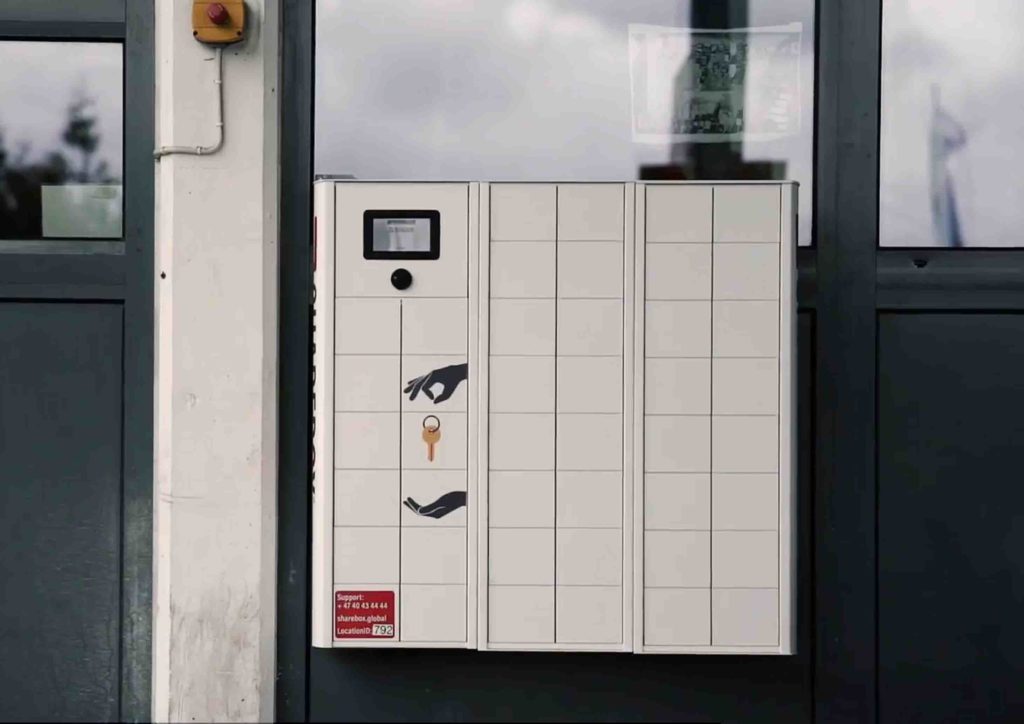
Self-service options like online booking and self-service check-in/out shift routine transactions away from staff and onto the customer, who often prefers it anyway. Paired with automated locks for self-storage or equipment lockers, this reduces administrative overhead without hurting the customer experience.
“Asset visibility isn’t a nice-to-have anymore — it’s the difference between a rental fleet that pays for itself and one that quietly bleeds money through downtime nobody’s tracking.” — Illustrative industry perspective; replace with a named quote from your own operations lead or a customer for the published version.
Best Practices for Successful IT Inventory Management
Implement a System Before You Scale
The businesses that struggle most with inventory chaos are usually the ones that waited too long to formalize a system. Get booking, inventory, and invoicing under one platform early, even if your catalog is small — retrofitting a proper inventory rental management system onto a large, messy dataset is far harder than starting clean.
Manage the Full Asset Lifecycle
Lifecycle management goes beyond knowing where an asset is today — it means planning for depreciation, scheduling preventive maintenance, and knowing when retiring an asset is cheaper than keeping it in rotation. This is where software for asset management earns its keep: it turns a reactive maintenance schedule into a planned one.
Use Software for Stock Control, Not Just Records
A record of what you own is a starting point, not the goal. The real value comes from software that actively controls stock — reserving items the moment a booking is confirmed, releasing them automatically on return, and flagging shortages before they turn into a lost sale.
Comparing IT Inventory Management Software
Different tools solve different problems. A general ITAM platform is built for tracking a company’s own hardware and software licenses; a rental-specific system is built for assets that move between your business and your customers on a continuous cycle. The table below compares three common approaches.
| Feature | Zoho Inventory (general stock control) | ServiceNow ITAM (enterprise IT assets) | Rental-specific software (e.g. Sharefox) |
|---|---|---|---|
| Best suited for | Retail/wholesale stock levels | Internal IT hardware & license compliance | Equipment, vehicle, and self-storage rental operators |
| Rental booking calendar | Not built-in | Not applicable | Native |
| Asset check-in/out automation | Limited | Workflow-based, IT-focused | Built for high-frequency customer handovers |
| Barcode / RFID support | Yes | Yes | Yes, tied to rental status |
| Payment, ID & e-sign integrations | Basic | Not core focus | Built for rental transactions (deposits, ID verification, contracts) |
| Typical buyer | E-commerce / retail businesses | Enterprise IT departments | Equipment, vehicle, and storage rental businesses |
Feature availability changes over time — always confirm current capabilities directly with each vendor before deciding.
Zoho Inventory
Zoho Inventory offers solid general-purpose inventory tracking, automated stock alerts, and integration with common business applications. It’s a reasonable option for businesses that sell and hold stock, but it isn’t built around the booking-and-return cycle that defines rental operations.
ServiceNow IT Asset Management
ServiceNow is an enterprise-grade platform focused on managing a company’s own IT hardware, software licenses, and compliance — configuration management, audit trails, and lifecycle tracking for internal assets. It’s a strong choice for IT departments, but it’s not designed for customer-facing rental transactions.
Rental-Specific Inventory Software
Platforms built specifically for rental businesses combine inventory tracking with the booking, invoicing, and customer-facing features that general ITAM and stock tools don’t offer — things like live availability calendars, deposit handling, and automated check-in/out for self-storage and equipment rental alike.

 All in one platform