Skip to main content


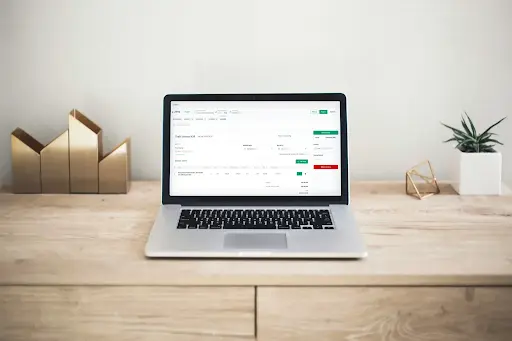
In the dynamic landscape of modern commerce, the ability to efficiently manage and scale a rental business is paramount to success. Point of rental software has emerged as a transformative solution, offering a comprehensive platform designed to streamline rental operations from end to end. This article draws on product research and operator feedback gathered by the team behind Sharefox to explore the core functionalities of rental software, the benefits it delivers, and how it helps rental businesses achieve higher efficiency and profitability.
Understanding Rental Software
What Is Point of Rental Software?
Point of rental software, such as Sharefox, is a digital rental commerce platform built to help businesses operate and scale their equipment, vehicle, and storage rental operations efficiently. It provides a complete rental management system for both B2C and B2B customers, offering an all-in-one solution for equipment, tools, vehicles, and self-storage operators. Learn more about the company’s approach and track record on the About Sharefox page.
The broader vision behind this category of software is straightforward: give rental companies a digital platform that supports a superior, efficient rental experience — one that lets them grow through automation, integrations, and smarter data, rather than more manual labor.
Key Features of Rental Management Software
A robust rental management platform brings together several functional modules designed to optimize every part of a rental business:
- Sophisticated booking and inventory management, via a dedicated rental booking software module that tracks every item across locations
- Self-service check-in/out, often enabled through self-service rental integrations and digital locks
- Support for varied business models, including subscription rental software, short- and long-term rentals, and hybrid sales-plus-rental commerce
- Integrations with accounting, payment, and ID-verification systems
- Advanced, configurable pricing logic
- Analytics and automation that reduce manual operational work
Benefits of Using Rental Software
By combining B2C and B2B functionality in a complete rental management system, this kind of software enables online self-service for customers, which reduces manual administration and the risk of human error. That, in turn, helps rental businesses increase utilization and revenue per asset, while simplifying booking, inventory, and invoicing inside a single system. The American Rental Association has tracked steady growth in equipment rental spending over the past decade — a trend that rewards operators who can serve customers faster and with less friction, which is precisely what modern rental software is designed to do.
Streamlining Rental Operations
How to Optimize Rental Processes
Optimizing rental processes is a core objective of modern rental software. Platforms like Sharefox are built to simplify booking, inventory management, and invoicing within one unified system — cutting manual admin work and the chance of error. Enabling customers to self-serve doesn’t just improve their experience; it also increases asset utilization and revenue, because idle inventory time is one of the biggest hidden costs in any rental business.
The table below illustrates the practical difference between a manually run rental operation and one supported by dedicated rental software:
| Operational Area | Manual / Spreadsheet-Based Process | Point of Rental Software |
|---|---|---|
| Booking & availability | Phone/email bookings, manual double-checking of stock | Real-time online booking with automatic availability updates |
| Inventory tracking | Spreadsheets or paper logs, prone to errors | Centralized digital inventory with utilization reporting |
| Pricing | Static price lists, updated infrequently | Dynamic, rule-based pricing tied to demand and season |
| Check-in/out | Staff-managed, queue-dependent | Self-service check-in/out via digital tools |
| Invoicing | Manual invoice creation per transaction | Automated invoicing linked to accounting systems |
| Reporting | Ad hoc, backward-looking | Real-time dashboards and analytics |
Utilizing AI in Rental Operations
The integration of artificial intelligence into rental operations is a meaningful step forward in both efficiency and predictive capability. Rental businesses that lean into AI-supported operations can gain deeper insight into demand patterns, automate routine decisions, and get ahead of operational problems before they affect customers.
As one rental operations consultant who advises SMB and mid-market rental businesses puts it:
“The businesses that win over the next five years won’t be the ones with the biggest fleets — they’ll be the ones that use their data best. AI doesn’t replace the rental operator’s judgment; it just removes the guesswork from pricing, forecasting, and maintenance scheduling.”
AI is already reshaping several parts of rental operations in practical ways: dynamic pricing adjustments based on real-time demand and historical rental data, demand forecasting to optimize inventory levels, smarter customer service through chatbots and personalized recommendations, and faster, more consistent equipment inspections. Research from McKinsey & Company on AI in operations more broadly echoes this pattern: the biggest early gains tend to come from forecasting and pricing, not from flashy customer-facing features.
Integrating Rental Software for Efficiency
Integrating rental software with the rest of a business’s tech stack is crucial for maximum efficiency. Sharefox, for example, offers a broad ecosystem of integrations covering accounting, payments, and ID verification — with tools such as Visma, Nets, and Criipto. This kind of interconnection simplifies booking, inventory, and invoicing into one cohesive system, reducing manual admin and human error while giving customers real autonomy through self-service. For mobility managers in particular, integrated ID verification and payment processing is essential for secure, streamlined transactions.
Rental Pricing Strategies
Understanding Pricing Models
Understanding pricing models is fundamental to maximizing profitability. Sharefox offers flexible pricing configuration that lets operators tailor rates to market demand and business goals. This supports everything from short-term rentals to long-term contracts and recurring subscriptions, helping businesses optimize income across different customer segments and product types.
Dynamic Pricing in Rental Management
Dynamic pricing lets rental businesses adjust rates in real time based on demand, season, availability, and even competitor pricing. Using the pricing functionality built into modern rental software, businesses can apply rules-based logic to optimize utilization and profitability automatically, moving beyond static rate cards. Harvard Business Review has long argued that dynamic pricing works best when it’s transparent to customers and grounded in real operational data — a principle that applies directly to rental fleets, where utilization and seasonality are highly predictable variables.
Managing Discounts and Offers
Effectively managing discounts and offers helps attract new customers and build loyalty. Rental software provides tools for configuring seasonal discounts, loyalty programs, and bundled offers, letting operators personalize deals, measure their effectiveness, and drive bookings without eroding margins. Strategically deployed discounts can stimulate demand during off-peak periods while rewarding repeat customers.
Enhancing Customer Experience
Booking and Delivery Efficiency
Modern point of rental software streamlines the entire booking process by offering self-service options for both B2C and B2B customers. This lets customers book and return items independently, which modernizes the brand experience and reduces administrative load. Integrations with hardware providers for self-service check-in/out ensure a smooth journey from reservation to return.
Utilizing Dashboards for Real-Time Insights
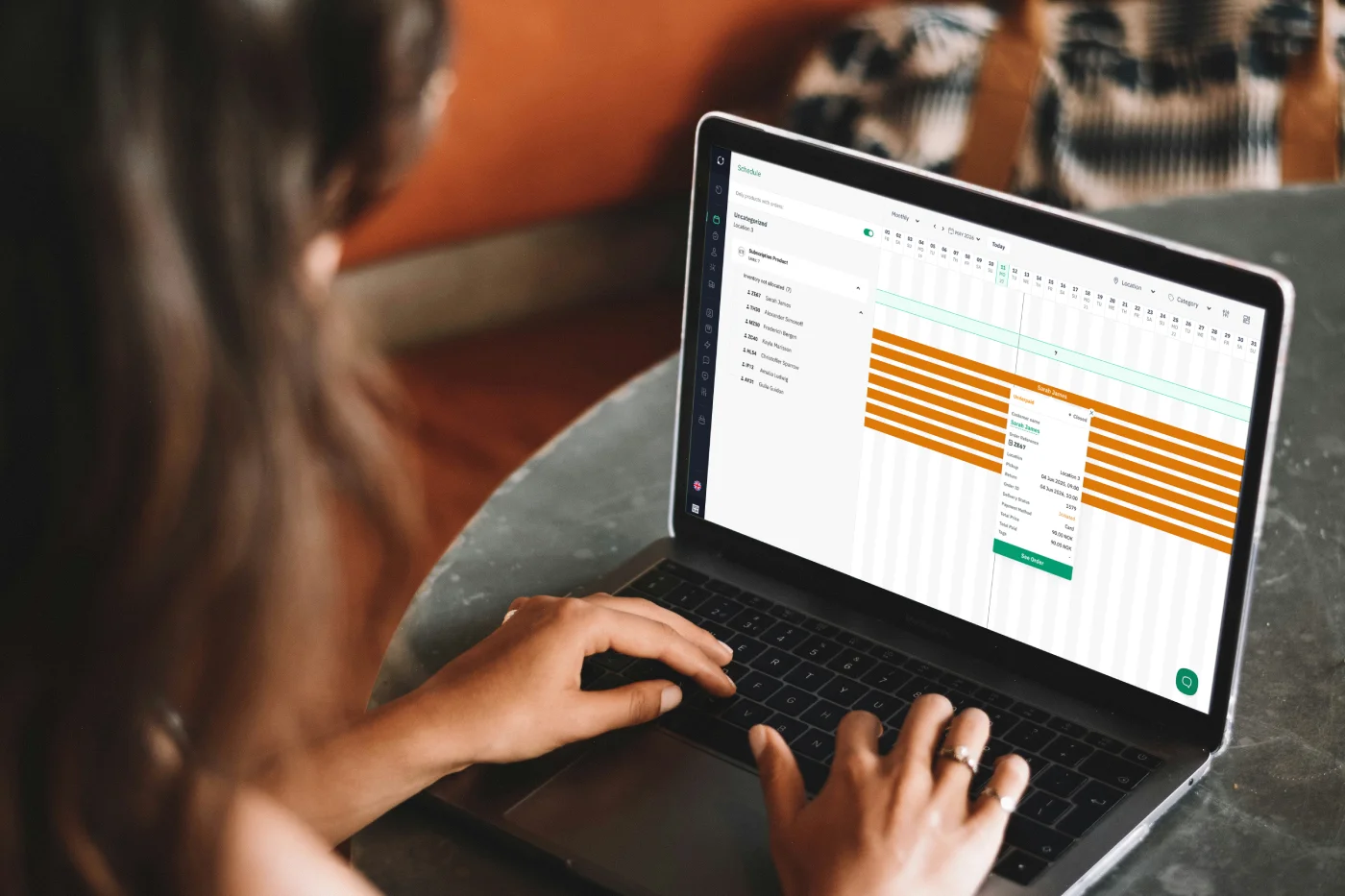
Dashboards give managers at-a-glance visibility into inventory utilization, revenue performance, customer activity, and upcoming bookings. This centralized view helps teams monitor KPIs, spot trends, and address bottlenecks before they become costly problems — turning raw rental data into actionable intelligence.
Inspection and Pickup Processes
Streamlining inspection and pickup is a cornerstone of both efficient operations and a good customer experience. Self-service check-in/out tools let customers complete these steps independently, cutting wait times and manual paperwork, while mobility managers benefit from a smoother digital journey across the entire booking-to-return cycle.
Leveraging Rental Intelligence Suite
Analyzing Rental Data for Better Decisions
A robust rental intelligence layer gives you clear visibility into inventory utilization, revenue streams, and customer behavior, letting you move from guesswork to data-driven decisions across the inventory management system.
Spotting Trends in Rental Operations
Identifying patterns — seasonal demand shifts, popular rental items, or shifting customer preferences — helps you fine-tune inventory, personalize pricing, and even develop new service offerings ahead of the competition.
Benchmarking Against Industry Standards
Comparing your utilization rates, average rental duration, and revenue per asset against broader industry benchmarks helps identify where you’re excelling and where there’s room to improve. Industry bodies such as the American Rental Association and market researchers like Statista publish equipment-rental market data that can serve as a useful external reference point when setting your own targets.
Multi-Location Rental Management
Challenges of Managing Multiple Locations
Managing multiple rental locations requires scalable tools and streamlined processes. Mobility managers need software that supports diverse operations across sites without losing central control, while self-storage managers want to expand into new locations quickly and with minimal administrative overhead. Without a centralized system, maintaining consistent inventory, coordinating deliveries, and ensuring uniform customer experience across locations becomes complex — and expensive.
Centralized Billing and Invoicing Solutions
Centralized billing consolidates rental quotes, invoices, and payment tracking into a single accessible platform, streamlining the workflow for finance teams and reducing errors across every location your business operates in.
Optimizing Routes for Deliveries
For equipment rental businesses in particular, personalized and streamlined delivery/pickup scheduling reduces fuel consumption, cuts delivery times, and improves the reliability of delivery windows — directly supporting the profitability of multi-location operations.
Conclusion
Point of rental software has moved from a “nice to have” to a competitive necessity for equipment, vehicle, tool, and self-storage rental operators. From booking and pricing to AI-assisted forecasting and multi-location billing, the right platform reduces manual work while increasing utilization and revenue per asset. If you’re evaluating your options, you can book a demo to see how a purpose-built platform like Sharefox handles these workflows in practice.


 All in one platform