Skip to main content



Most renters never make it past the first page of Google. If your equipment, vehicle, or storage rental business isn’t showing up there, you’re not losing to a better competitor — you’re losing to a competitor who simply shows up first. That’s the entire premise of search engine optimization (SEO), and it’s why keyword strategy deserves a real seat at the table in your marketing plan, not an afterthought.
This guide breaks down what SEO actually means for a rental business, why keywords are the foundation of it, and which tactics — from on-page optimization to local SEO — move the needle fastest.
Understanding SEO in the Context of Rental Businesses
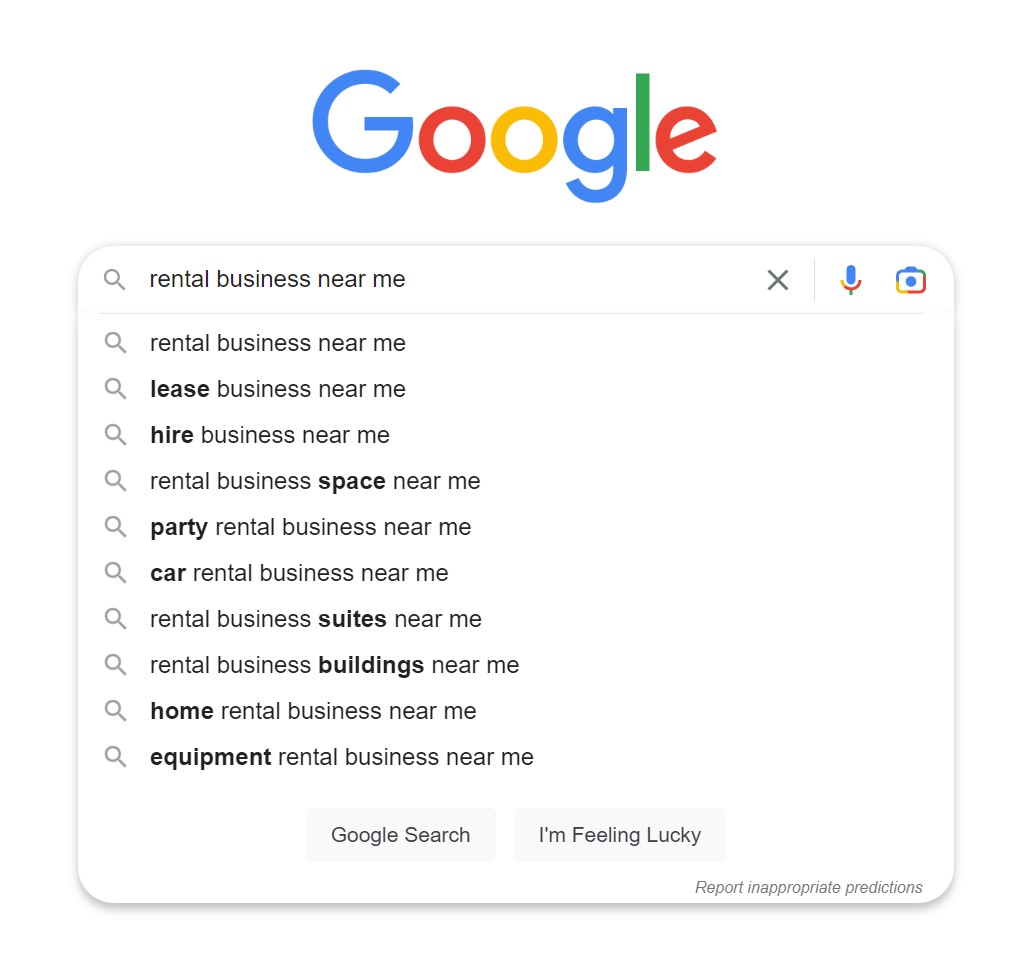
In the rental industry, SEO isn’t a nice-to-have — it’s the mechanism that connects a guest typing “kayak rental near me” or “equipment rental software” into Google with your actual listings. Done well, it lowers your cost per booking over time and reduces how dependent you are on paid ads.
What is SEO?
SEO stands for search engine optimization: the ongoing practice of shaping your website’s structure, content, and technical performance so search engines like Google can understand it, trust it, and rank it for relevant queries. For a rental business, that means making sure the words your future guests actually type — “car rental software,” “dumpster rental services,” “vacation rentals in Austin” — appear naturally across your pages, titles, and descriptions.
Importance of SEO for Vacation Rentals
Renters overwhelmingly start their search on Google, not on a specific booking app. A vacation rental business that ranks for the right terms captures that demand before a guest ever reaches a marketplace or a paid ad. That’s the difference between waiting for bookings and generating them. Businesses running platforms with built-in reservation and booking tools have an added advantage here: clean, fast, structured listing pages are themselves an SEO asset.
How SEO Impacts Organic Traffic
Ranking higher doesn’t just mean more visitors — it means more qualified visitors. Someone who searches “tool rental business near me” and clicks your listing is already close to booking; they’re not window-shopping. That’s why organic search traffic consistently converts better than most other acquisition channels, and why an SEO investment compounds instead of resetting every month like paid ads do.
Key SEO Strategies for Vacation Rentals
Keyword Research for Rental Properties
Keyword research is where every SEO strategy should start. It means identifying the exact phrases — including long-tail variations like “affordable weekend car rental in Austin” — that real renters type into search engines. The table below shows how different keyword types typically perform for rental businesses, based on search intent.
| Keyword Type | Example | Search Intent | Typical Competition | Best Use |
|---|---|---|---|---|
| Head term | “car rental software” | Informational/Commercial | High | Pillar or category pages |
| Long-tail | “how to start a car rental business” | Informational | Medium | Blog guides, top-of-funnel |
| Local | “equipment rental near Denver” | Transactional | Low–Medium | Location pages, Google Business Profile |
| Comparison | “best equipment rental software” | Commercial | High | Comparison articles, bottom-of-funnel |
| Branded | “Sharefox reviews” | Navigational | Low | Trust-building, case studies |
Mapping content to each of these keyword types — rather than chasing head terms alone — is what a real content marketing strategy for rental companies is built on.
On-Page SEO Elements to Optimize
Once you know your keywords, on-page SEO is where you apply them:
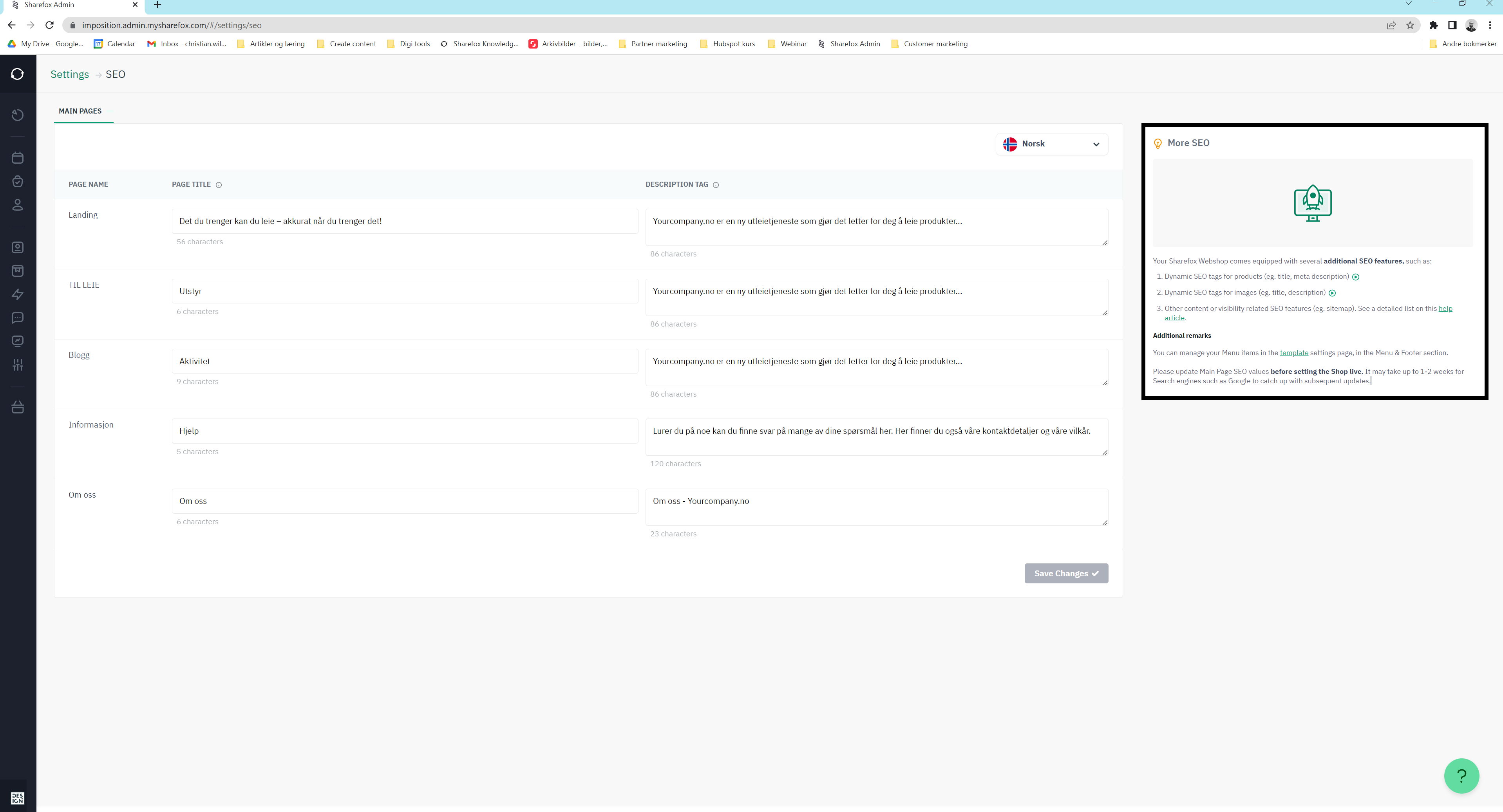
- Compelling page titles and meta descriptions that earn the click, not just the impression
- A single, clear H1 per page, with keyword-relevant H2/H3 subheadings structuring the rest
- Keywords woven naturally into body copy — never stuffed
- Descriptive alt text on every property or equipment photo
- Mobile-first, fast-loading page design
- Internal links connecting related pages, like linking a blog guide back to your rental management software hub
Common SEO Mistakes to Avoid
The mistakes that quietly cap a rental site’s growth are usually structural, not creative:
- Overstuffing keywords until copy reads unnaturally
- Ignoring mobile page speed and usability
- Leaving technical SEO issues (broken links, missing schema, duplicate titles) unresolved
- Letting content go stale instead of refreshing seasonal or pricing-related pages
- Neglecting backlinks and analytics review altogether
“Guests don’t scroll to page two — they book with whoever shows up first. That’s why keyword-driven SEO isn’t a marketing nice-to-have for rental businesses, it’s the difference between a fully booked calendar and an empty one.” — Asgeir Helland, Rental Technology Expert, Sharefox
Local SEO Techniques for Rental Businesses
Optimizing Your Google Business Profile
For location-based rentals, your Google Business Profile often outperforms your website in local search. Keep it complete, current, and stocked with real photos, and respond to every review — this is one of the fastest local-ranking levers available, and it costs nothing but time.
Enhancing Local Visibility for Vacation Rentals
Beyond your Business Profile, local visibility depends on consistent NAP (Name, Address, Phone) data across directories, local citations, and community engagement. Rental businesses that also show up in Apple Maps and secondary map platforms capture search traffic that Google-only strategies miss entirely.
Utilizing Local Keywords Effectively
Location-specific phrases — “vacation rentals in Denver” or “tool rental near downtown Denver” — should appear in page titles, meta descriptions, and your Business Profile description. This is precision targeting: it puts you in front of renters who are already deciding where, not just whether, to rent.
SEO Tips for Improving Your Rental Website
Creating User Experience-Focused Content
Google increasingly rewards pages that genuinely help the reader, not just pages that rank for a term. That means real property descriptions, high-quality images, and content that anticipates a renter’s actual questions — availability, pricing, cancellation policy — before they have to ask. A well-built online rental booking flow reinforces this by removing friction between “interested” and “booked.”
Tracking SEO Performance with Audits
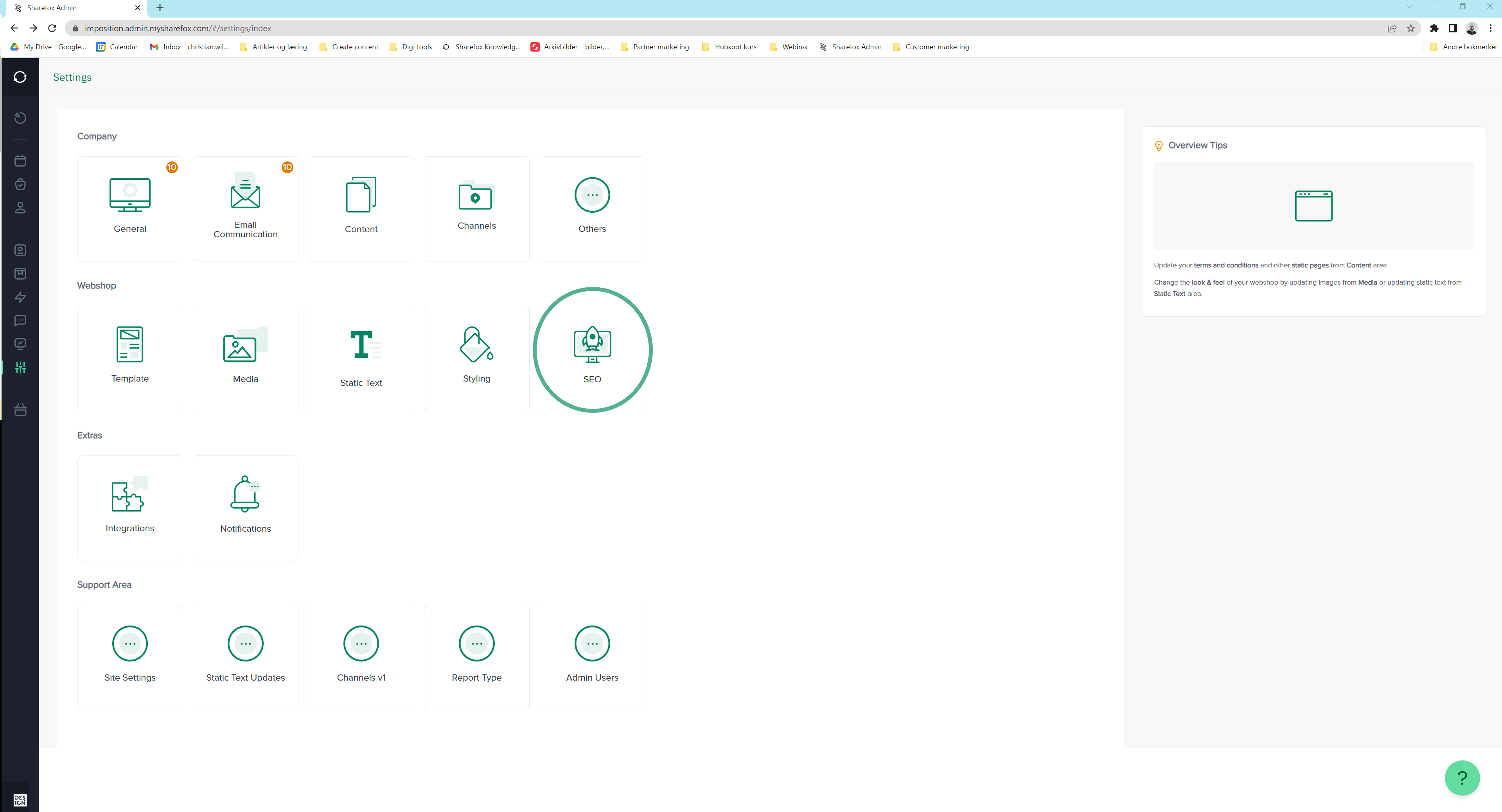
SEO isn’t “set and forget.” Regular audits — checking keyword rankings, crawl errors, and page-level analytics — tell you what’s actually working. If you manage your own site inside a rental platform, tools like Sharefox’s built-in SEO settings make it easier to catch issues (missing meta tags, broken redirects) before they cost you rankings.
Comprehensive SEO Approaches for Property Management
For multi-listing property managers, SEO has to work at scale: solid technical foundations, strong on-page optimization across every listing, a real backlink strategy, and marketing efforts that complement search — including email marketing to repeat guests and a documented marketing strategy tying it all together.
Conclusion: The Future of SEO in the Rental Market
Staying Ahead with SEO Trends
Google’s algorithm keeps shifting toward mobile-first indexing, AI-generated overviews, and voice search. Rental businesses that adapt early — refreshing content, improving page experience, and building genuine topical authority — stay visible while slower-moving competitors lose ground.
Long-term Benefits of SEO for Vacation Rentals
Unlike paid ads, SEO compounds. Rankings you earn today keep generating bookings months later, reducing your reliance on ad spend and building the kind of trust that turns first-time guests into repeat ones.
Final Thoughts on Search Engine Optimization
SEO is not a one-time project — it’s infrastructure. Getting the fundamentals right — keyword research, on-page structure, local optimization, and consistent auditing — is what turns a rental website from a digital brochure into a genuine booking engine. If you’re ready to put this into practice, start a free trial or explore how a purpose-built rental management platform supports SEO from the ground up.



 All in one platform