Skip to main content


In the dynamic landscape of modern construction and industrial operations, the ability to access the right equipment at the right time is paramount. This article draws on patterns we see across dozens of construction and heavy equipment rental businesses running on Sharefox, and explains how intelligent rental software is changing the lift rental industry — helping owners streamline operations, improve safety documentation, and grow revenue per asset.
Understanding Lift Rentals
The Importance of Aerial Lifts in Construction
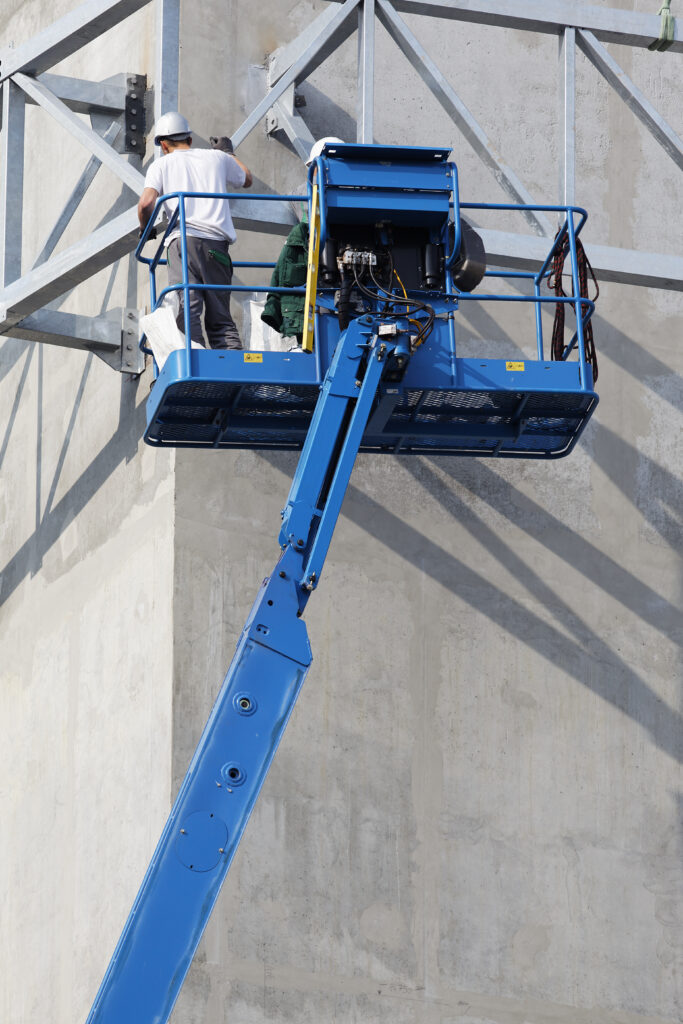
Aerial lifts are indispensable pieces of equipment on virtually every construction site, offering essential solutions for safely elevating personnel and materials to various heights. These machines provide temporary access to elevated areas and are used for structural work, utility installation, painting, and maintenance. According to the International Powered Access Federation (IPAF), the global fleet of powered access equipment has grown steadily for over a decade as contractors replace scaffolding with faster, safer aerial work platforms (see Sources below). Renting the right equipment — a versatile boom lift or a robust scissor lift — helps every project run efficiently and safely, even in demanding environments.
Types of Aerial Lift Rentals
The diverse range of aerial lift rentals available caters to a wide variety of project requirements, so contractors can find the right fit for the job.
| Lift Type | Typical Reach | Best Suited For | Rental Cadence |
|---|---|---|---|
| Scissor Lift | Moderate, straight vertical reach | Flat, indoor/outdoor surfaces; ceiling work, retail fit-outs | Daily / weekly |
| Articulating Boom Lift | Extended reach with multi-directional movement | Navigating obstacles, uneven terrain | Weekly / monthly |
| Telescopic Boom Lift | Long, straight-line reach | Warehousing, stadiums, tall structures | Weekly / monthly |
| Material Lift | Varies by model | Moving materials, not personnel | Daily / project-based |
| Truck-Mounted Platform | Varies by model | Utility and municipal work, street-level access | Daily / project-based |
For specialized needs, material lifts and other construction machinery offer unique capabilities, letting teams pick the exact type of lift that supports their work on-site.
Key Features of Rental Platforms
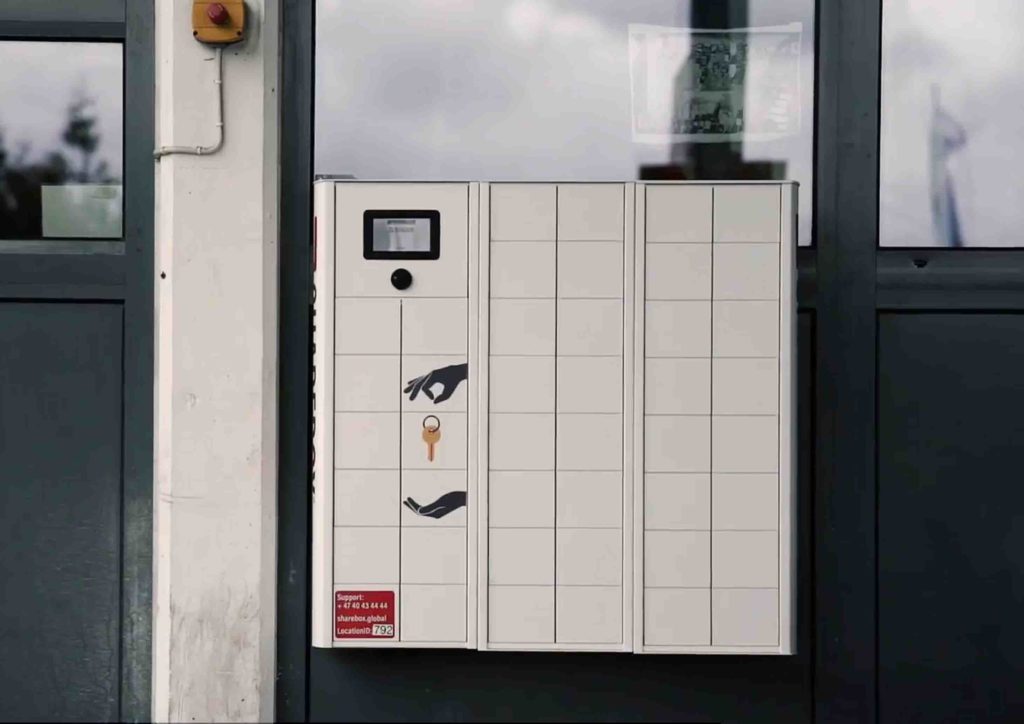
Modern rental platforms are built to support lift rental businesses with a full suite of capabilities: dynamic pricing configuration, integrations with accounting, ID verification, and payment systems, and self-service check-in/out through partners like Sharebox and Inlet. Combined with analytics and automation for day-to-day operations, these features give owners the visibility they need to grow.
| Module / Feature | Description |
|---|---|
| Booking & Inventory Management | Seamless reservation and tracking of every unit in the rental fleet |
| Multi-Commerce Flexibility | Supports subscription, short- and long-term rental, plus sales and service bookings |
Intelligent Rental Software
Benefits of Using Rental Software for Contractors
For contractors navigating the complexities of lift rentals, intelligent rental software offers a genuinely different way of working. It lets a business manage booking, inventory, and invoicing inside one integrated system, cutting manual admin and reducing human error. Online self-service adds convenience for the customer while increasing utilization and revenue per asset in the fleet. Integration with accounting and payment platforms simplifies financial processes further, so contractors get the right equipment when they need it, with fewer bottlenecks.
“Before, everything ran on spreadsheets and phone calls. Now our customers book their own lifts online, sign the rental agreement digitally, and we can see exactly which units are out, due back, or due for service — all from one screen.” — Illustrative of the operational shift customers describe after digitizing lift rental workflows; see our Liftroller and Bodø Liftutleie case studies for the full, verified accounts.
How Rental Software Elevates Business Operations
Sharefox is a digital rental commerce platform built to help businesses run and scale equipment and vehicle rental operations. It supports both B2C and B2B customers and covers the core of what a lift rental business needs day to day.
| Customer Types Supported | Key Features |
|---|---|
| B2C, B2B | Self-service booking, flexible pricing models; ecosystem integrations for accounting, payments, and ID verification |
Two examples from our own customer base illustrate this in practice: Liftroller, a construction rental company, and Bodø Liftutleie, a tools-and-machinery rental business, both moved from manual, phone-based booking to a self-service model and report better control over fleet availability as a result.
Integrating Aerial Lift Management into Rental Software
Integrating aerial lift management directly into a comprehensive rental software system is central to optimizing the entire rental lifecycle. It gives contractors a real-time overview of a diverse fleet, including scissor lifts, boom lifts, and excavators, so every unit is tracked and managed consistently. The software helps with everything from scheduling maintenance to monitoring operational status, so the right equipment is available and in safe working order for every project.
Meeting Local Needs
Assessing the Demand for Lift Rentals in Your Area
Understanding demand for lift rentals in a specific local market is essential for profitability and long-term sustainability. By assessing local needs carefully, businesses can tailor their fleet — from electric scissor lifts to heavy-duty boom lifts — to what contractors in that market actually book, rather than guessing.
Customizing Solutions for Local Contractors
Supporting local contractors well means offering flexible rental terms across different lift types: a compact scissor lift for indoor work, or a long-reach boom lift for demanding outdoor construction. Tailoring rental packages and keeping the right equipment available helps contractors work more efficiently and safely, and strengthens local partnerships over time.
Building Strong Relationships with Local Depots
Strong relationships with local depots are a cornerstone of a healthy lift rental business, supporting smooth operations and wider service reach. These depots are the physical touchpoints where contractors pick up and return equipment, so partnering closely with them helps a business keep the right units in the right place — improving responsiveness and building long-term loyalty.
Future of Lift Rentals
Trends Shaping the Rental Industry
The rental industry keeps evolving. A growing emphasis on sustainability is driving demand for electric aerial lifts and more energy-efficient models — a trend also flagged in the American Rental Association’s industry outlook (see Sources). At the same time, larger and more complex construction projects require lifts with greater height, reach, and capacity, and demand for specialized material lifts and truck-mounted platforms continues to grow.
The Role of Technology in Elevating Lift Rentals
Technology will keep playing a bigger role in lift rentals. Intelligent rental software streamlines the whole rental lifecycle — from online booking and inventory management to predictive maintenance scheduling for each type of aerial lift. This improves both efficiency and safety, since equipment performance and usage can be monitored in something close to real time.
Preparing for Future Challenges in the Rental Market
Preparing for what’s ahead means managing a diverse fleet across multiple lift types, responding to shifting market demand, and keeping customer satisfaction high — all at once. Investing in intelligent rental software and maintaining strong depot relationships helps a business manage its fleet more efficiently, offer the right equipment reliably, and hold a trusted position in the lift rental sector. If you want to see what that could look like for your own fleet, you can estimate the impact with our ROI calculator or book a short demo.

 All in one platform