Skip to main content


Overview of the Rental Equipment Industry
The rental equipment industry has a long history, evolving from basic hand-tool loans between neighbours and contractors into a sophisticated, multi-billion-dollar service model that spans construction, industrial, and consumer markets. For decades, renting a machine typically meant a phone call, a paper contract, and a walk around the yard to check what was actually available.
That has changed. Today’s rental businesses are expected to offer the kind of digital experience customers get everywhere else: online availability, instant booking, and clear pricing. Platforms such as Sharefox’s equipment rental software exist specifically to help operators create new rental services and modernize existing ones, rather than trying to bend general-purpose e-commerce tools to a job they weren’t built for.
History of Equipment Rental
For most of the 20th century, the equipment rental market ran on manual processes — paper job cards, handwritten contracts, and phone-based reservations. Availability lived in someone’s head or a whiteboard, not a database. As construction and industrial activity grew, this approach became a bottleneck: double-bookings, lost paperwork, and no real visibility into which machines were actually on the yard versus out on a job site.
The shift to digital fleet management changed that equation. Rental businesses could suddenly see, in real time, what was booked, what was available, and what needed maintenance — a foundational capability behind everything else covered in this article.
Current Trends in Tool Rental
Current trends in tool and equipment rental center on two things: self-service and integration. Customers increasingly expect to browse a catalog, check live availability, and book equipment online — the same way they’d book a hotel room — rather than waiting for a callback. On the operator side, rental businesses are connecting their booking system to accounting, payment, and access-control tools instead of running each function separately.
This has made comprehensive rental booking software a baseline requirement rather than a nice-to-have, particularly for operators managing a wide construction equipment fleet with tight turnaround windows.
The Importance of Rental Solutions
Rental solutions are now critical for businesses aiming to operate smoothly and scale. They give operators a single, accurate view of their fleet — from excavators and loaders down to small power tools — so that every asset can be tracked from initial inquiry through to final return. This is what an all-in-one inventory rental management system is designed to do: replace scattered spreadsheets and separate booking, invoicing, and inventory tools with one connected workflow.
Traditional vs. Digital Rental Operations
The difference between a manual, paper-based rental workflow and a modern software-driven one is easiest to see side by side:
| Operational Area | Traditional (Manual) Process | Software-Driven Process |
|---|---|---|
| Booking | Phone calls, paper diaries, risk of double-booking | Live online availability calendar, instant confirmation |
| Inventory visibility | Manual stock checks, whiteboard or spreadsheet | Real-time dashboard across the entire fleet |
| Contracts & sign-off | Printed agreements, physical signatures | Digital contracts and e-signatures |
| Payments | Cash/invoice on return, manual reconciliation | Online payment and automated invoicing at booking |
| Check-in / check-out | Staff-managed, desk-dependent hours | Self-service kiosks or mobile check-in, available 24/7 |
| Damage & condition tracking | Verbal notes, memory-dependent disputes | Digital inspection logs with timestamped records |
| Reporting | Manual, retrospective, error-prone | Automated, real-time utilization and revenue reports |
This comparison is why so many operators moving off legacy systems describe the change less as an upgrade and more as a different way of running the business.
Types of Equipment and Tools Available for Rent
The equipment and tool rental market covers an extensive range of machinery, making it a genuine one-stop source for construction crews, industrial operations, and DIY customers alike.
Aerial Work Platforms
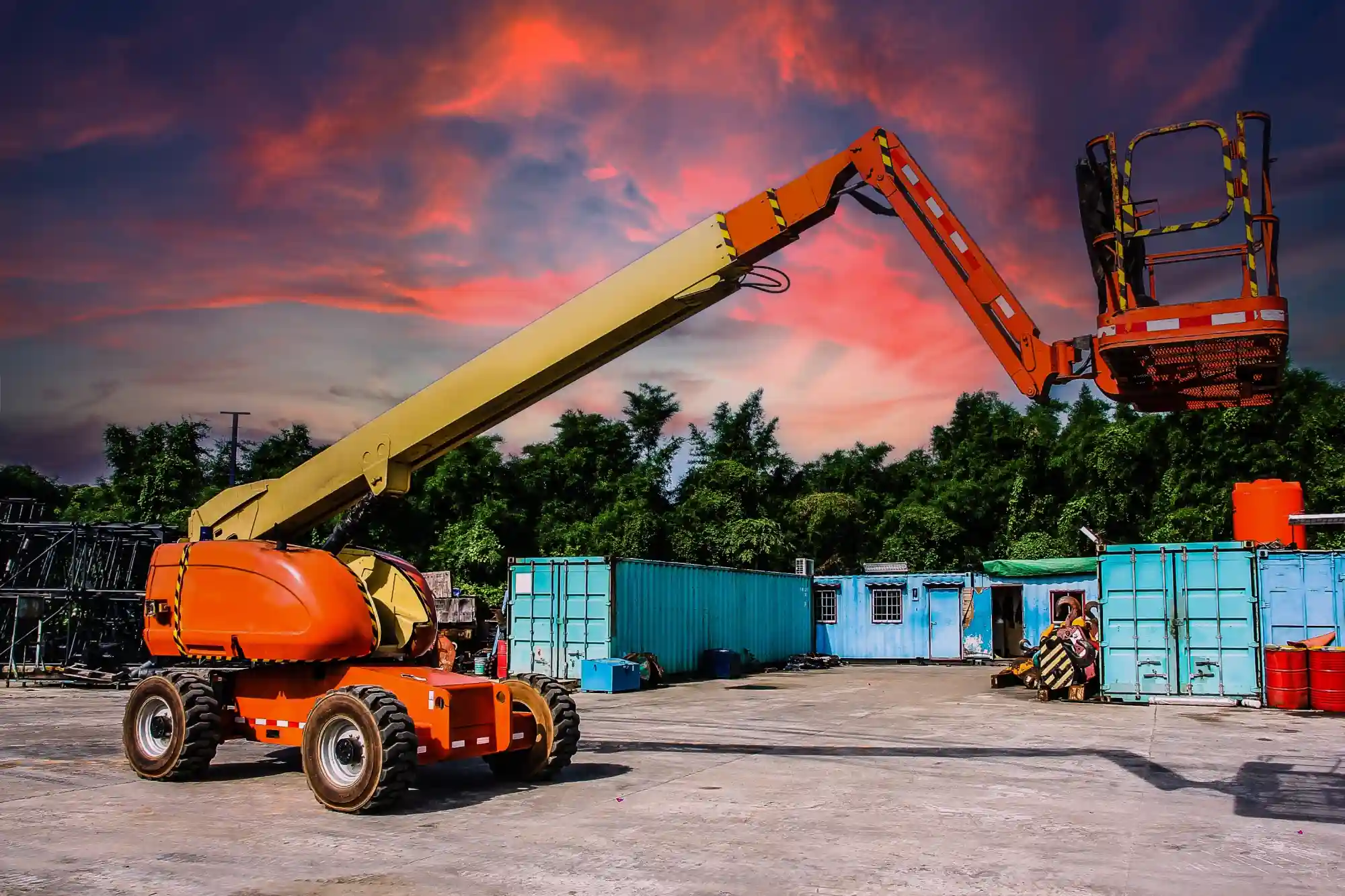
Aerial work platforms — scissor lifts and boom lifts among them — are essential for jobs requiring safe access to height. They’re heavily used in construction, maintenance, and industrial settings, and renting them lets businesses manage costs while still giving teams the equipment they need to work safely at elevation.
Forklifts and Material Handling Equipment
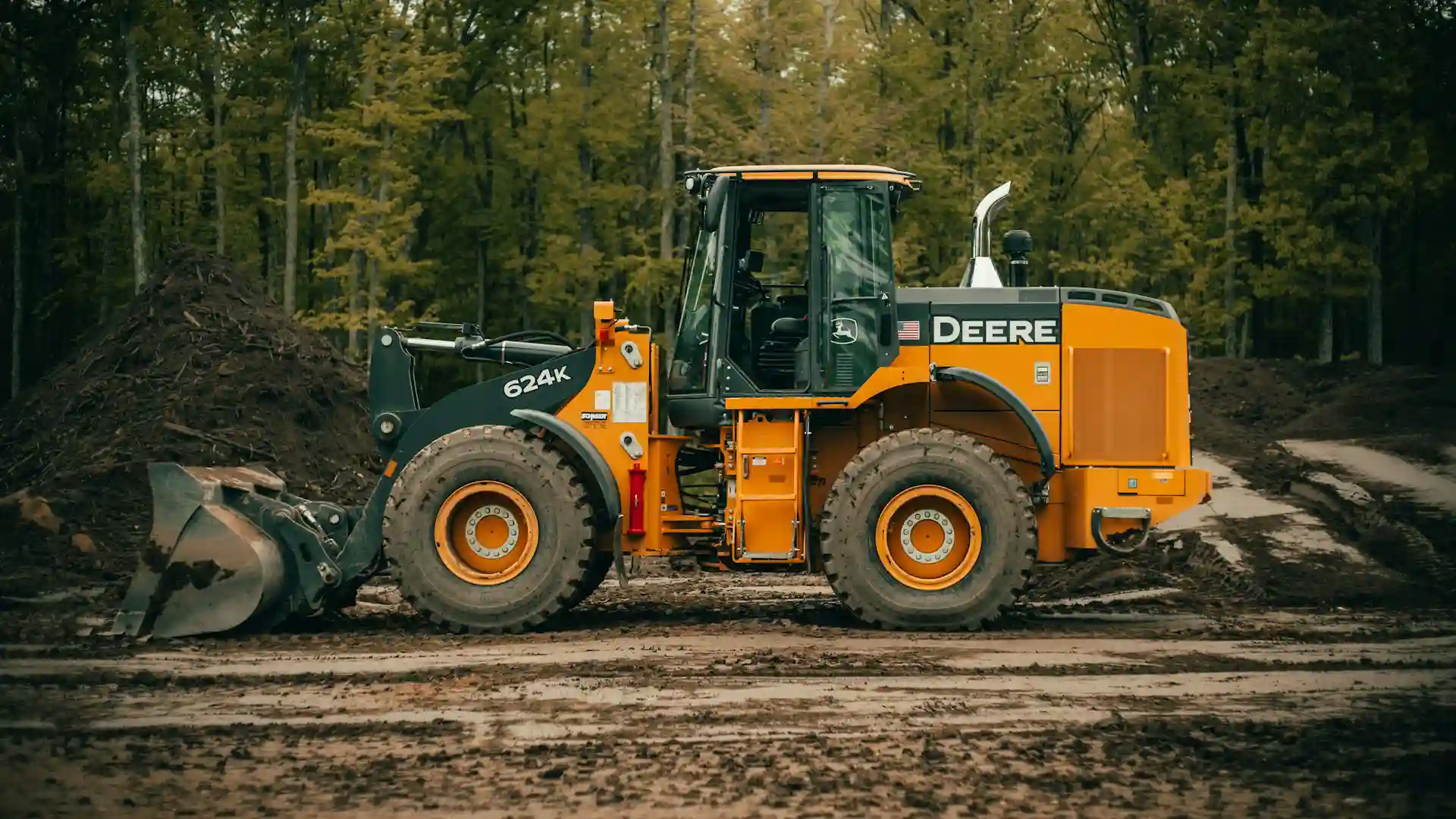
Forklifts, telehandlers, and other loaders are indispensable in warehouses and on construction sites, where moving heavy materials efficiently is non-negotiable. Because these assets are expensive and often needed only for specific project phases, they’re a natural fit for the heavy equipment rental category — and for the fleet-tracking discipline that comes with it.
Concrete and Compaction Tools
Concrete mixers, vibrators, and compaction machines are essential for foundations, paving, and roadwork. Renting this equipment gives contractors access to high-performance machinery without the capital outlay of ownership, which is one reason construction machinery rental has grown into one of the sector’s most active niches.
Benefits of Rental Software in the Industry
Streamlining Operations
Rental software provides an all-encompassing solution for operators, combining booking, inventory, and invoicing in one cohesive system. This reduces the burden of manual administration and lowers the risk of human error — both of which translate directly into fewer disputes and faster turnaround.
Mobility and self-storage operators benefit particularly from automation features, including:
- Automated check-in/out through digital tools, increasing turnaround speed and cutting idle time for rental fleets.
- Automated access and lock systems, reducing reliance on staff for a smoother self-service experience.
“The rental businesses that are winning right now aren’t necessarily the ones with the biggest fleets — they’re the ones that know, at any given moment, exactly where every asset is and what it’s earning.” — industry observation echoed across recent rental-sector operator interviews
Enhancing Customer Experience
Modern rental software lets operators offer convenient online self-service, so customers can browse and reserve equipment on their own schedule. This shows up as:
- Independent booking and returns, which modernize the brand experience.
- 24/7 self-service rental options, increasingly seen as essential for customer retention rather than a bonus feature.
Managing Inventory Effectively
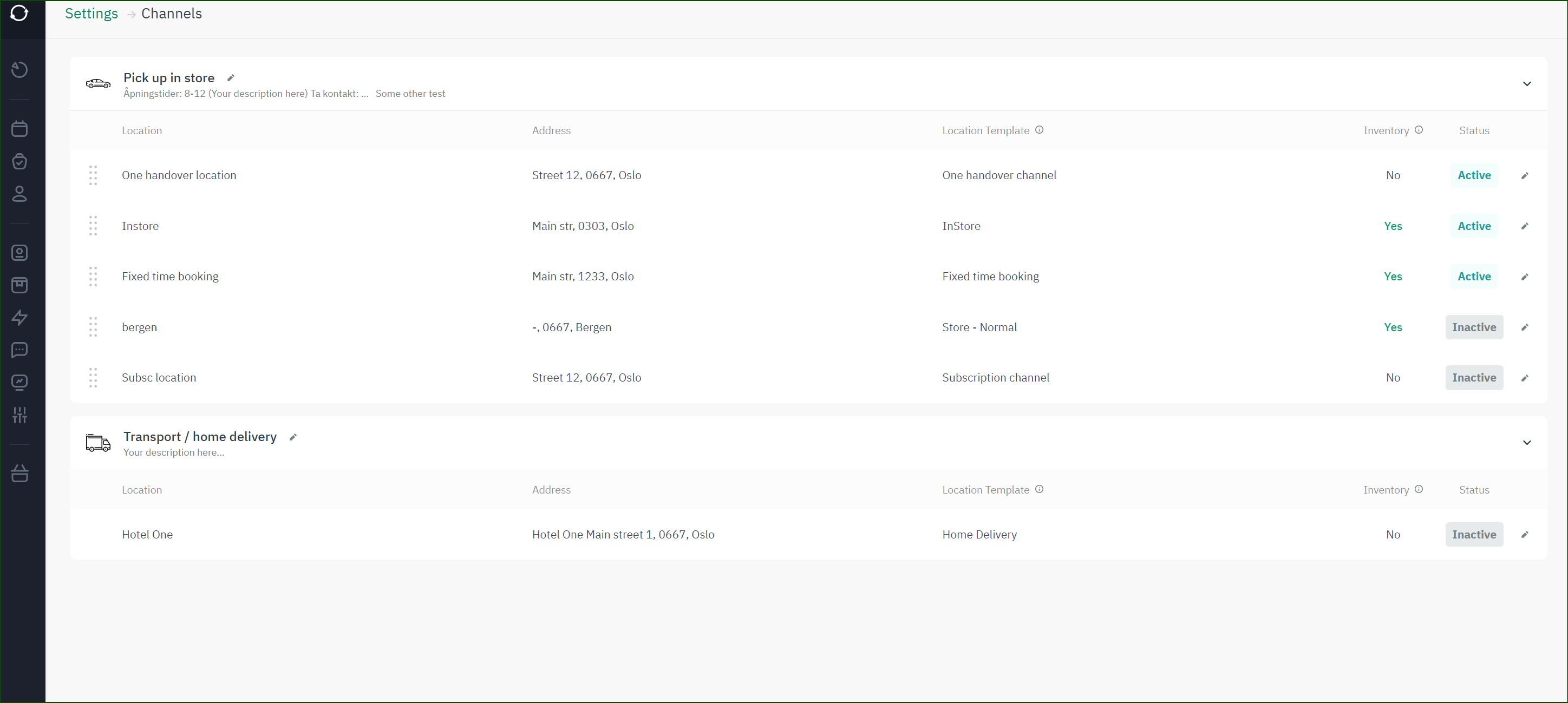
Effective inventory management is fundamental to profitability in rental. A unified system for booking, inventory, and invoicing gives operators clear visibility into bookings, damage history, and availability — the three blind spots that cause the most lost revenue in equipment-heavy businesses. Sharefox customers such as ToolBox24 and The Tool Shed built their entire operating models around this kind of real-time visibility.
Key Features of Rental Management Software
Mobile App Integration
Mobile integration is now a cornerstone of rental management software. Self-service check-in/out modules, often paired with smart-lock integrations, let customers pick up and return equipment without staff on-site, while operators manage inventory and fleet status on the go.
Payment Processing Solutions
Seamless payment processing is vital for any rental operation. Platforms with robust payment and integrations support — connecting to established providers for secure transactions — let operators offer online payment for everything from single-day equipment rental to recurring unit reservations, simplifying the financial side for both business and customer.
Reliable Tracking and Reporting
Comprehensive booking and inventory modules give real-time visibility into the entire rental fleet, while analytics and automation surface utilization trends and customer demand patterns. This is also where preventive maintenance planning lives — see our guide on maintaining tools and machinery rentals effectively for a closer look at how tracking ties into fleet longevity.
Case Studies: Success Stories in Equipment Rental
Adoption of Software Solutions in Small Equipment Rental
Small and mid-market rental companies — often family-run or regional operators managing equipment or machinery rentals — have moved from spreadsheets and legacy systems to unified digital platforms. This lets them manage everything from small tools to specialized power tools while offering a more professional, self-service-capable experience to customers.
Impact on Construction Rental Equipment Providers
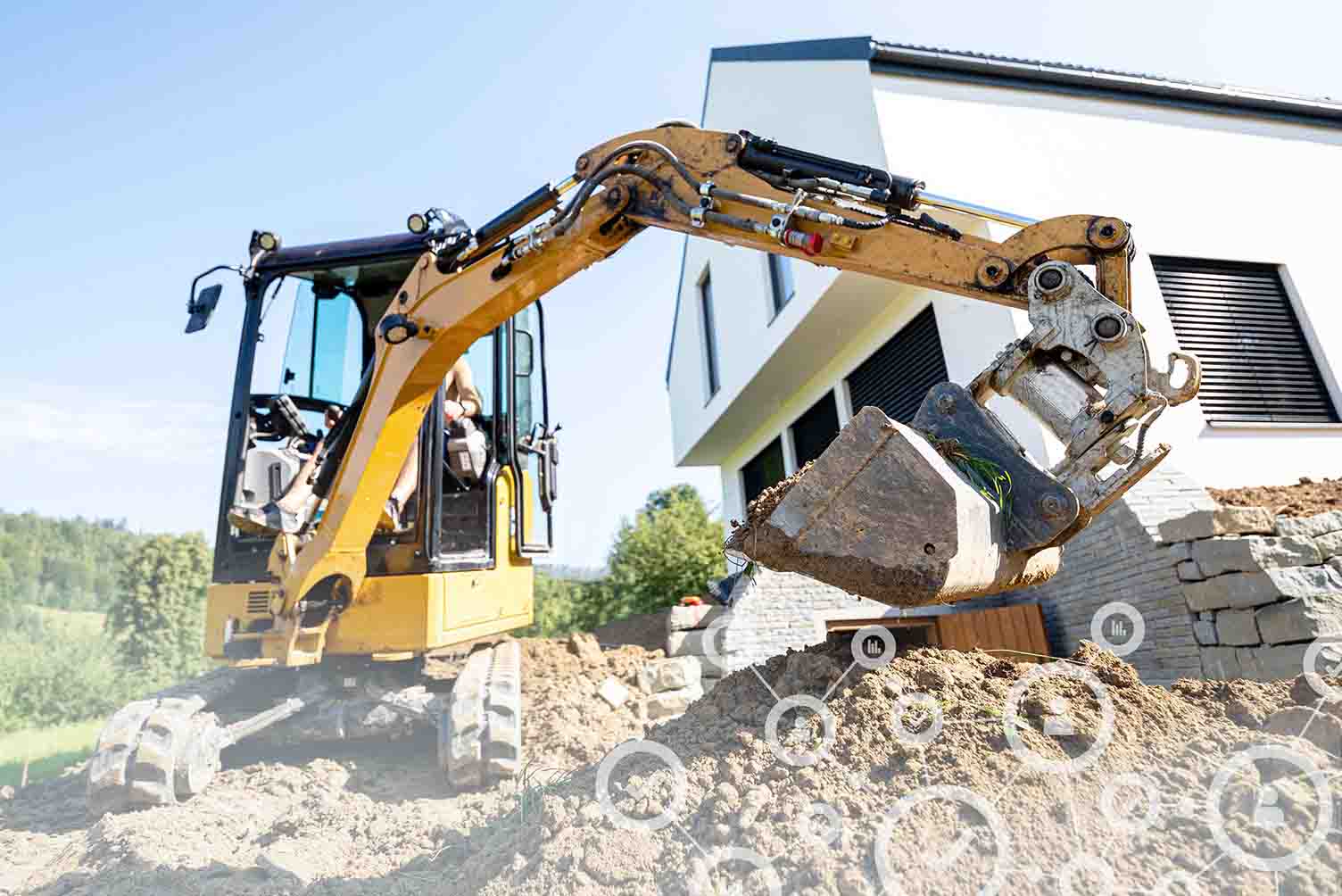
For construction rental equipment providers, modern rental software has been genuinely transformative — giving real-time visibility into fleets of excavators, loaders, aerial platforms, and compaction equipment, so every job site gets the right machine at the right time.
Innovations in Tool Rental Companies
Tool rental companies are using this same infrastructure to offer a wide selection of hand tools, power tools, and specialized industrial equipment — all managed through one system, whether the customer needs a generator for temporary power or an attachment for a track loader.
The Future of the Rental Equipment Industry
Emerging Technologies in Rental Software
Expect continued advances in predictive maintenance, more capable mobile self-service, and smarter inventory forecasting. These developments will let operators manage heavy equipment, aerial platforms, and material handling fleets with more precision — and with less manual oversight than today.
Market Outlook for the Next Few Years
Industry bodies such as the American Rental Association have tracked steady growth in equipment rental over the past decade, driven partly by businesses choosing access over ownership. Over the next few years, expect that trend to continue: more electric and low-emission equipment entering rental fleets, more personalized pricing based on usage data, and continued consolidation of point solutions into single rental-commerce platforms.
Strategies for Sustainable Growth in Rental Services
Sustainable growth in rental services depends on efficiency, customer empowerment, and increasingly, environmental responsibility. Robust rental software with real-time tracking helps optimize utilization of every asset, from forklifts to compaction equipment, while a wider selection of energy-efficient equipment can attract cost- and climate-conscious customers. Operators who combine these with flexible terms and mobile self-service are best positioned for long-term growth in an increasingly competitive market.


 All in one platform