Skip to main content


Understanding and optimizing your equipment rental rates is paramount to the success of your rental business. This guide walks you through the essential components of setting accurate and profitable rental prices, drawing on operational data from rental businesses using equipment rental software — so you can make informed decisions that move your business forward.

Understanding Equipment Rental Pricing
Effective equipment rental pricing is a cornerstone of any thriving rental operation. It’s not just about covering your costs; it’s about strategically positioning your offerings in the market, attracting the right customers, and ensuring sustainable profit margins. By understanding the nuances involved, you can confidently set rental rates that reflect true value and market demand.
“The businesses that get pricing right treat their rate calculator as a living tool, not a spreadsheet you build once and forget. Utilization and maintenance costs shift every quarter, and your rates need to shift with them,” says Asgeir Helland, rental industry expert at Sharefox.
The Importance of Accurate Rental Rates
Setting accurate rental rates is crucial for the long-term viability and profitability of your equipment rental business. An appropriate rental rate ensures that you cover all your operational expenses — from maintenance to insurance — while also generating a healthy profit. According to the American Rental Association, rental revenue in North America has grown steadily as more construction, event, and outdoor businesses shift from ownership to rental models, which means pricing discipline matters more than ever. When you calculate your equipment rental rates correctly, you build customer trust and maintain a competitive edge — something operators managing their fleet through an inventory rental management system can track and adjust in real time.
Factors Influencing Equipment Rental Prices
Several key factors influence your equipment rental prices, making it essential to consider each one when you calculate equipment rental costs:
| Category | Factors |
|---|---|
| Direct Costs | Initial purchase price, expected maintenance expenses, insurance premiums, transportation costs |
| Market & Usage | Market demand, estimated rental duration, utilization rate of your fleet |
| Financial | Depreciation schedule, cost of capital, damage waiver reserves |
These elements all play a significant role in determining the optimal rental rate you can charge your customers for a given period. For a deeper breakdown of the strategic thinking behind these variables, see our guide on equipment rental pricing strategy.
How to Calculate Equipment Rental Costs
To accurately calculate equipment rental costs, you need a systematic approach that considers all relevant expenses. Begin by identifying all costs associated with each item:
- Direct costs — purchase price, depreciation over its lifespan (many operators use straight-line depreciation, as outlined in IRS Publication 946, “How To Depreciate Property”), and recurring maintenance costs.
- Indirect costs — property taxes, insurance, and administrative overhead.
- Utilization-adjusted costs — total annual cost divided by realistic rental days, not calendar days, since idle fleet time is a real cost.
This meticulous calculation guides you in setting a competitive and profitable rental rate. Businesses just getting started should also read our guide on how to start an equipment rental business for a fuller picture of startup-phase pricing.
Using a Rental Pricing Calculator
Step-by-Step Guide to Entering Data
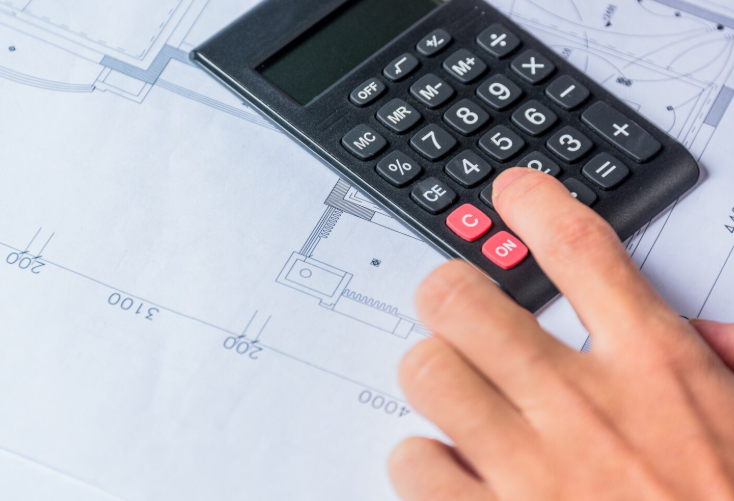
Utilizing a rental pricing calculator, such as Sharefox’s ROI calculator, simplifies the complex task of setting your equipment rental rates. To begin, you’ll need to accurately enter specific data points for each item in your fleet: the initial purchase price, estimated maintenance cost, and insurance premiums. Be sure to also input the expected rental duration and any associated transportation costs. The calculator then guides you toward a precise rental cost estimate, so you can confidently charge a fair and profitable rate.
Common Features of Rental Rate Calculators
Modern rental rate calculators are designed with features that streamline the entire process of setting equipment rental prices. Beyond basic cost calculation, many offer advanced pricing configuration options, allowing you to account for varying rental durations — daily, weekly, or longer periods — inside a connected rental booking software platform. You can often factor in estimated fleet utilization rates, labor surcharges, and fluctuating demand to optimize your rental quotes. These tools help you confidently update your rates and maximize profit without manually rebuilding a spreadsheet every season.
Tips for Maximizing Profitability with the Calculator
To truly maximize profitability using your rental pricing calculator, it’s essential to regularly review and update your data. Frequently adjusting your equipment rental rates based on market demand and your fleet’s utilization rate can significantly impact your bottom line. Our own analysis of operators shows that businesses reviewing rates quarterly, rather than annually, tend to close the gap between listed and actual utilization faster — a pattern we’ve unpacked in rental business tips to maximize utilization rate. Experiment with different rental durations and analyze how varying daily and weekly rates affect your overall revenue.
Setting Competitive Rental Rates
Analyzing Market Trends for Equipment Rental
Analyzing market trends is fundamental to setting competitive equipment rental rates that attract customers and ensure profitability. Regularly review industry reports, competitor pricing, and local economic indicators. Industry research firm IBISWorld tracks equipment rental demand cycles that correlate closely with construction and event-sector activity, making it a useful benchmark for seasonal rate planning. This continuous assessment allows you to confidently update your rental rates, ensuring they remain aligned with current market values and customer expectations.
Cost-Based vs. Market-Based Pricing: A Comparison
Most rental businesses blend two core pricing philosophies. The table below compares them directly:
| Pricing Method | How It Works | Best For | Main Risk |
|---|---|---|---|
| Cost-based pricing | Rate = (purchase price + depreciation + maintenance + insurance) ÷ estimated rental days, plus a target margin | New fleet items with no market benchmark; ensuring every rental covers true cost | Can price you above or below what the market will actually pay |
| Market-based pricing | Rate is set by researching competitor and regional pricing for comparable equipment | Established equipment categories with clear market comparables | Can erode margin if your cost structure is higher than competitors’ |
| Blended (recommended) | Cost-based rate sets your floor; market data sets your ceiling and adjusts for demand | Most rental fleets, especially mixed inventories | Requires ongoing data — a static blended rate goes stale fast |
A blended approach, refreshed through a subscription rental software or booking platform that logs real utilization data, tends to outperform either method used in isolation.
Adjusting Rates Based on Labor and Maintenance Costs
To accurately calculate equipment rental rates, it’s crucial to factor in all operational expenses, especially labor and maintenance costs. Regularly review your maintenance cost for each item in your fleet and assess any changes in labor expenses, including potential rental rate adjustments and labor surcharges. Our guide on fleet management best practices for equipment rental covers how to build a maintenance-tracking cadence that feeds directly into your pricing model, and our piece on effective pricing strategies for rental businesses goes deeper into the labor-cost side specifically.
Legal Considerations in Rental Pricing
When setting your equipment rental rates, it’s vital to be aware of legal considerations to avoid potential pitfalls. Ensure your rental pricing complies with consumer protection laws, antitrust regulations, and any local ordinances that might dictate how you calculate and advertise your rates. Transparency in your rental quotes and a clear understanding of your legal obligations will safeguard your business and build trust with your customers. This article provides general guidance and is not legal advice — always consult legal counsel for questions specific to your jurisdiction and business structure.

 All in one platform