Skip to main content


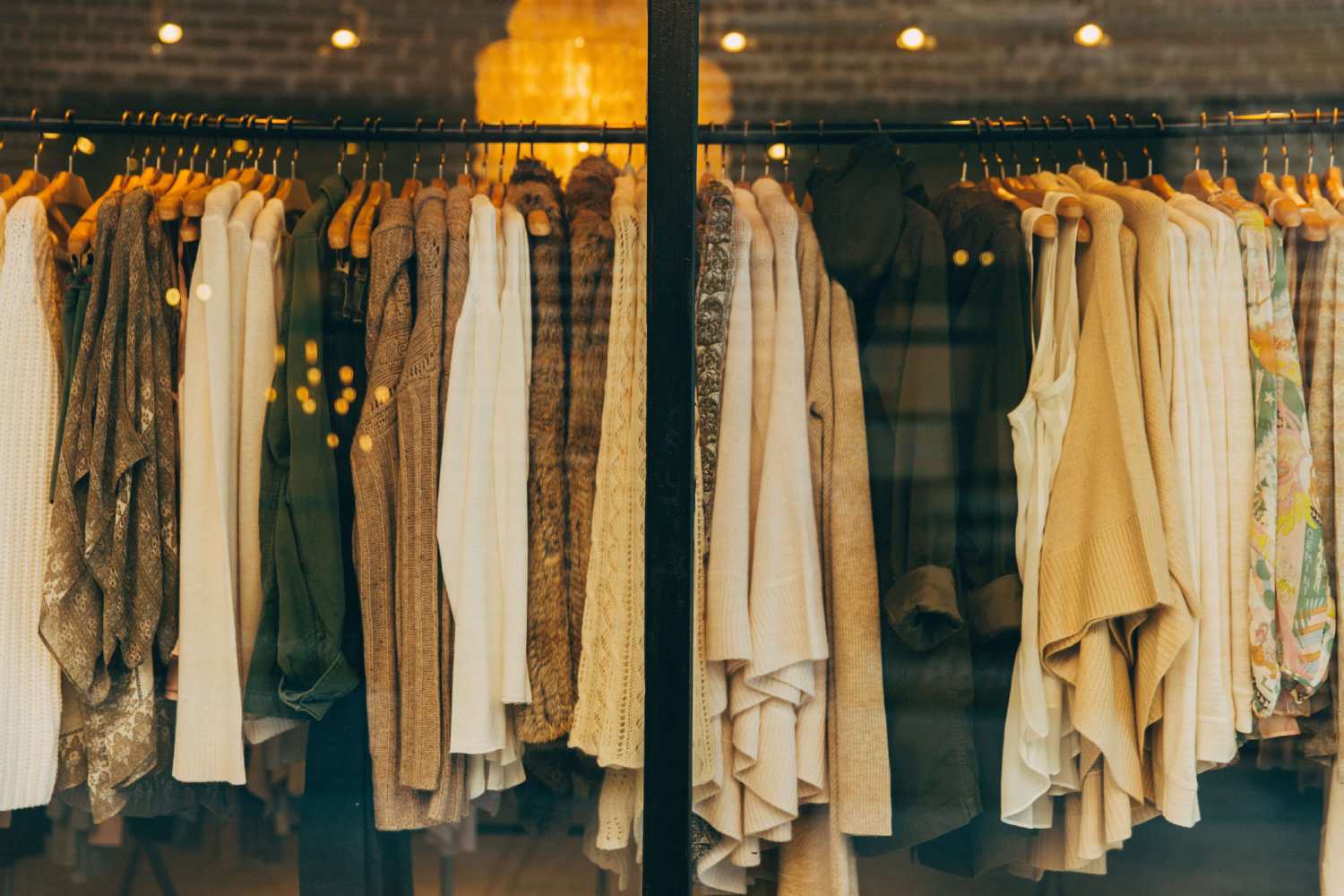
The fashion industry is undergoing a significant transformation, with clothing rental and subscription services emerging as one of the most durable trends in modern retail. Instead of buying and discarding, consumers are increasingly renting a rotating wardrobe of designer and premium styles — trading ownership for access, and getting a more sustainable, more affordable relationship with fashion in return.
This shift isn’t just a consumer preference. It’s a full operating model that rental businesses, from independent boutiques to venture-backed platforms, are building software, logistics, and pricing around. Below, we break down how the model works, who the major players are, how to evaluate a service, and where the category is heading — grounded in third-party research rather than guesswork.
“Rental and resale are no longer niche experiments on the edge of fashion — they’re becoming core parts of how growth-minded retailers plan their category mix.” — Sharefox rental strategy team, drawing on industry-wide subscription and circularity data
Understanding the Clothing Rental Trend
What Is Clothing Rental?
Clothing rental is a model that lets people temporarily rent garments instead of purchasing them outright — everything from everyday basics to special-occasion gowns. Operationally, that means a rental business needs to track inventory in real time, manage cleaning and turnaround cycles, and let customers book with confidence that an item will actually be available.
This is exactly the layer that purpose-built rental software is designed to solve. Platforms like Sharefox’s clothing rental software give apparel businesses a complete system for both B2C and B2B customers — self-service booking, flexible pricing, and inventory visibility — so operators can focus on merchandising rather than manual scheduling.
Benefits of Renting Fashion
Renting fashion lets shoppers refresh their style and experiment with new brands without the financial burden or environmental footprint of constant buying. According to McKinsey & Company’s State of Fashion research, resale and rental business models continue to outgrow traditional retail as consumers — particularly younger shoppers — actively seek lower-impact ways to consume fashion (see Sources below). For renters, that translates into access to an expansive wardrobe, including designer pieces and premium denim, for specific events or everyday elevation, while spending less and supporting a more circular economy.
Key Players in the Rental Market
The clothing rental market includes a variety of influential players, each serving different needs:
- Rent the Runway — designer clothing and accessories for nearly any occasion
- Nuuly — a subscription box model from Urban Outfitters, Anthropologie, and Free People
- Armoire — curated, stylist-led selections for work and everyday wear
These services let renters browse hundreds of brands, curate a closet with new outfits each month, and receive regular shipments — making premium labels accessible without a long-term financial commitment. On the operator side, this same demand is fueling growth in adjacent categories tracked in Sharefox’s rental-based services and retail opportunities analysis, as more retail categories test rental as a revenue line.
Exploring Popular Clothing Rental Services
Nuuly: The Subscription Model Explained
Nuuly operates on a subscription model that lets users consistently refresh their wardrobe. Subscribers choose six items at a time from an extensive collection spanning premium denim to elegant dresses. Each shipment is a chance to experiment with new styles without the commitment of ownership — a low-friction, sustainable way to keep a wardrobe feeling current.
Rent the Runway: A Leader in the Industry
Rent the Runway is one of the pioneering forces in clothing rental, with a vast assortment of designer clothing and accessories for every occasion. Its flexible subscription tiers let renters browse an ever-changing selection, so they always have access to current trends and designer labels — whether for a big event or a daily-wear upgrade.
Armoire: Curated Fashion for Every Occasion
Armoire takes a more curated approach, pairing subscribers with a stylist-selected assortment tailored to their preferences and occasions — from professional attire to weekend casual wear. This personalized model helps subscribers discover new outfits while gaining access to premium-quality items suited to their actual lifestyle.
Comparing the Major Rental Subscription Models
| Feature | Rent the Runway | Nuuly | Armoire |
|---|---|---|---|
| Subscription model | Tiered plans + à la carte rental | Fixed-item subscription (6 items/cycle) | Stylist-curated subscription |
| Designer / premium access | Yes | Partial (contemporary brands) | Yes |
| Personal styling support | Limited | No | Yes |
| Unlimited exchange option | Yes (higher tiers) | No | Yes (higher tiers) |
| Special-occasion / formalwear focus | Yes | No | Limited |
| Everyday wardrobe refresh | Yes | Yes | Yes |
| Best suited for | Events, formalwear, designer access | Everyday casual & denim variety | Personalized work-to-weekend styling |
Figures reflect general service positioning as of publication; always confirm current plans and pricing directly with each provider before subscribing.
How to Choose the Best Clothing Rental Service
Evaluating Brands and Selection
Look for services whose brand mix matches your personal aesthetic — designer pieces, premium denim, or specific labels. A diverse selection means you can consistently find new outfits and expand your wardrobe with quality brands that reflect your own style.
Understanding Subscription Options
Subscription structures vary: some plans set a fixed number of items per shipment, others allow unlimited exchanges. For entrepreneurs building or scaling a subscription-based or hybrid rental business, prioritizing automation and 24/7 self-service functionality is critical to managing recurring revenue and long-term rental agreements without adding headcount. Sharefox’s subscription management software and subscription rental software pages walk through how that automation works in practice — from recurring billing to swap logistics.
Considerations for Maternity and Petite Sizes
Not every platform stocks an extensive range of maternity or petite sizing in designer or premium categories. It’s worth confirming size availability directly with a service before subscribing, so you can maintain your personal style and comfort through every stage of life.
Maximizing Your Rental Experience
How to Browse and Select Items
Platforms powered by a robust booking and inventory system make it easy to explore large catalogs — filtering by style, size, or occasion to find the right piece. That’s the same infrastructure challenge rental operators solve with tools like Sharefox’s inventory and rental management system, which keeps availability accurate across every shipment cycle.
Returning Items: What to Know
Modern rental services prioritize easy, self-directed returns. Self-service rental technology — automated check-in/check-out tools — lets customers return items independently, without waiting on staff availability. Clear instructions and accessible drop-off points keep the process simple, whether you’re returning one dress or a full six-item shipment.
Unlimited Rentals: Is It Worth It?
Unlimited-rental plans promise an endless rotation of styles, but their value depends on how often you actually swap items. For frequent wardrobe refreshers, an unlimited subscription can offer real value and freedom to experiment; for occasional renters, a smaller fixed plan or à la carte rental may be more cost-effective.
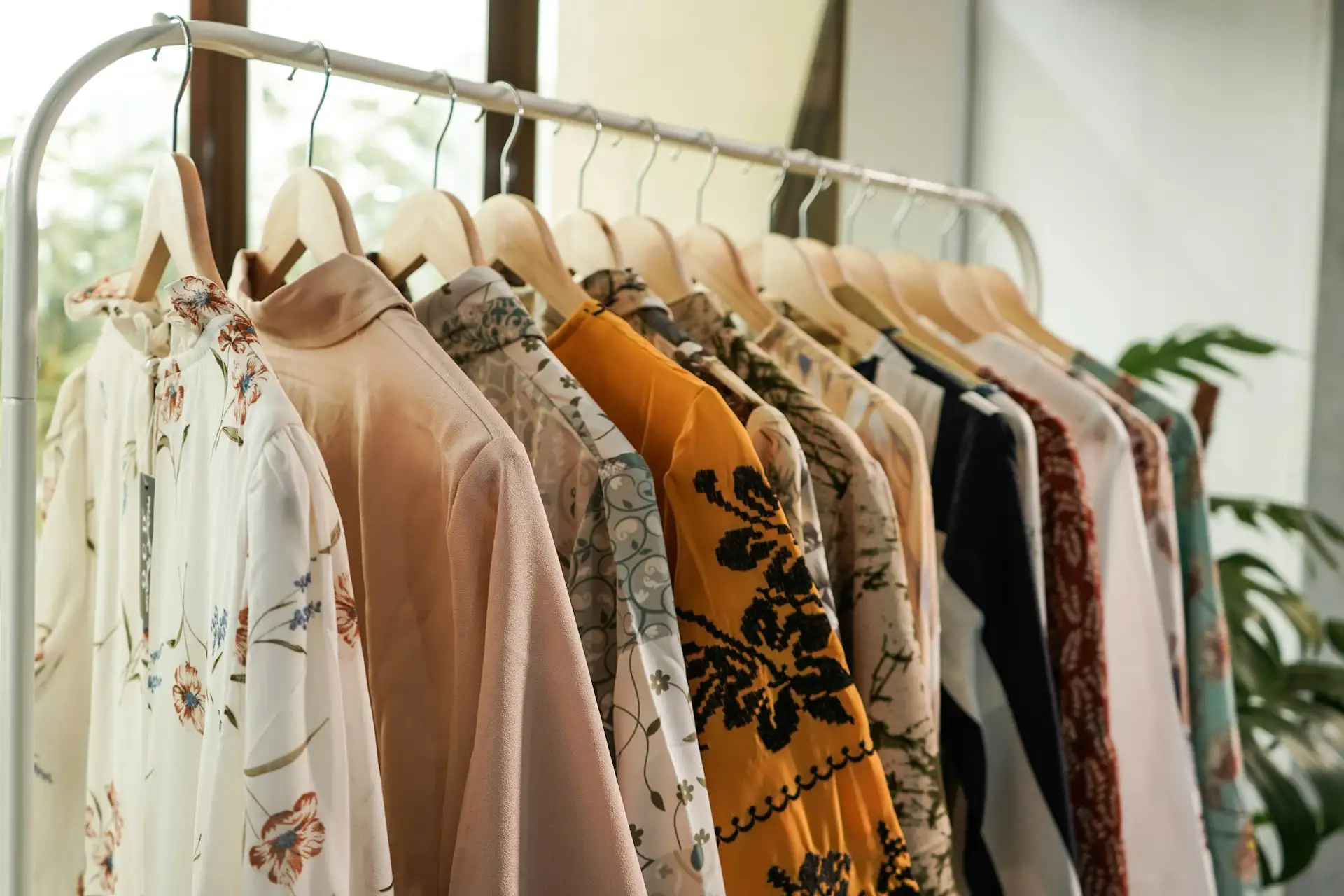
The Future of Fashion Rentals
Emerging Trends in Rental Services
The future of fashion rental is being shaped by increasingly personalized, tech-enabled experiences. Digital platforms are integrating analytics to curate selections that match individual style and fit history, transforming rental from a one-size-fits-all box into an on-demand, personalized fashion ecosystem — a trend also visible in adjacent verticals like wedding and event rental, where rental businesses are applying the same subscription and self-service logic to formalwear.
Sustainable Fashion and Rental Services
Clothing rental is closely tied to the broader push for circular economy practices in retail. The Ellen MacArthur Foundation’s research on textiles has long argued that extending the active life of a garment — through reuse, resale, or rental — is one of the most effective ways to reduce the fashion industry’s environmental footprint (see Sources). By renting instead of buying, consumers participate directly in that extended-use model, reducing waste while still accessing designer clothing and quality brands regularly. It’s part of the same shift Sharefox explores in Understanding the Sharing Economy.
The Impact of Technology on Clothing Rental
Technology continues to make clothing rental more efficient for operators and more convenient for customers. Automation, integrations, and self-service tools simplify rental for everyone involved — from browsing an extensive catalog to a smooth, digital-first checkout. For rental operators exploring this space, Sharefox’s clothing rental software and booking software are built specifically to support that shift toward a unified, self-service rental experience. If you’re considering launching or scaling a fashion rental business, book a demo or review pricing to see how the platform fits your operation.
 All in one platform