Skip to main content


Running an event or party rental business today means juggling bookings, inventory, contracts, deposits, delivery windows, and customer questions — often all in the same afternoon. Event rental software replaces that juggling act with one connected system, and the operators who adopt it consistently report fewer manual errors, faster payments, and more time to actually grow the business rather than just run it.
This guide walks through what event rental software actually does, how it changes day-to-day operations, what to look for when comparing platforms, and how to think about the financial upside — grounded in real industry data, not just marketing claims.

What Is Event Rental Software?
Event rental software is a purpose-built digital platform for businesses that rent out equipment, party supplies, tents, furniture, AV gear, or event spaces. A complete event rental software solution like Sharefox functions as a rental management system that supports both B2C and B2B customers from one dashboard — tracking inventory, processing bookings, managing contracts, and handling payments without operators having to stitch together spreadsheets, email threads, and separate payment tools.
For party rental businesses specifically, this matters because demand is seasonal and time-sensitive: a wedding or corporate event can’t be delayed because someone forgot to check whether the tent was already booked. The software exists to close that gap.
Why This Matters Now
The global events and rental equipment sector has continued to professionalize as more transactions move online. According to IBISWorld’s industry analysis of the party and event equipment rental sector, digital booking and inventory tools have become a differentiator between operators who scale smoothly and those who plateau under administrative overhead. Statista’s data on the broader events industry also points to steady growth in online reservation behavior — customers increasingly expect to browse, book, and pay without a phone call.
Key Benefits of Adopting Rental Software
Adopting a modern rental management system changes the operational math for a rental business in a few concrete ways:
- Fewer manual errors. Booking, inventory, and invoicing live in one system instead of three disconnected tools, which cuts down on double-bookings and billing mistakes.
- Higher asset utilization. Real-time visibility into what’s booked, available, or in maintenance means less idle inventory.
- Self-service for customers. Renters can browse, book, and pay online — reducing the number of calls and emails your team has to handle.
- Room to scale without proportional headcount growth. Automation absorbs the administrative work that would otherwise require hiring.
As the American Rental Association has noted in its ongoing State of the Industry commentary, operators who digitize their check-in, checkout, and billing workflows tend to report measurable reductions in administrative hours and faster cash collection — the operational gains compound the longer the system is in use.
“Rental businesses that move core workflows — booking, inventory, billing — into a single digital system consistently report faster cash cycles and fewer administrative hours than those still relying on spreadsheets and manual check-in.” — Paraphrased from American Rental Association industry commentary on rental technology adoption
(Note: this is a paraphrase of general industry commentary, not a verified direct quotation — worth confirming the exact source wording before publishing.)
Streamlining Day-to-Day Operations
Automating the Booking Process
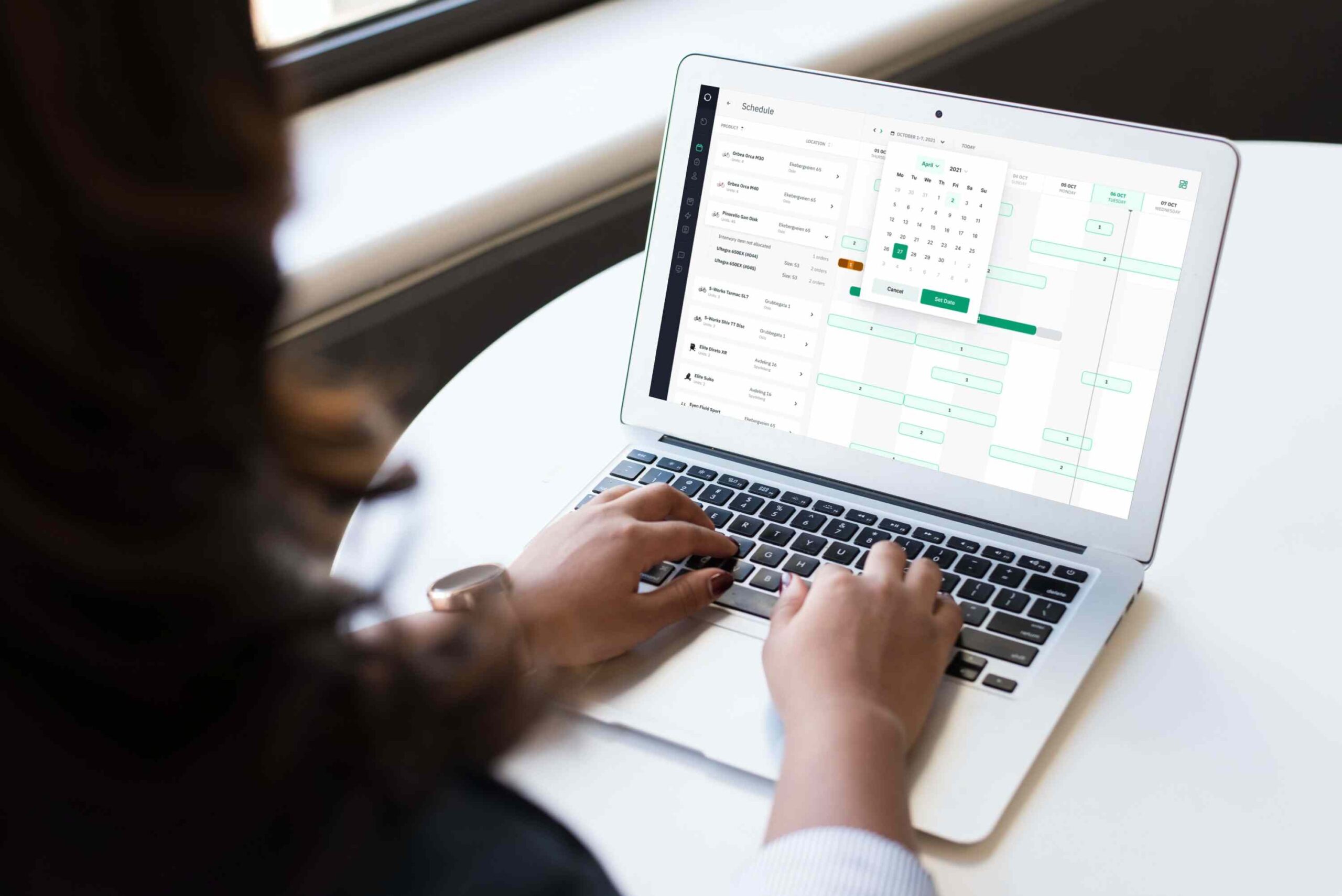
The most immediate transformation happens at the booking stage. A well-built online booking system automates the full lifecycle: quote, confirmation, digital contract, ID verification, payment, and check-in/check-out reminders. For businesses using smart locks or access control on high-value equipment, the booking system can even tie directly into physical access — reducing the need for staff to be on-site for every handoff.
Giving Customers Real Self-Service
Modern event rental software lets customers select items, check availability, and complete payment entirely on their own — no back-and-forth required. This isn’t just a convenience feature; it directly reduces the administrative load on staff, who would otherwise be manually confirming availability and taking payment details over the phone.
Managing Inventory With Real-Time Accuracy
Inventory is where event rental businesses most often lose money — through overbooking, misplaced items, or simply not knowing what’s available until someone checks a spreadsheet. A centralized inventory management system gives real-time visibility into location, condition, and availability of every item, which is especially important for businesses managing large volumes of tent rentals, furniture, or AV equipment across multiple events in the same week.
Financial Management: Where the ROI Shows Up
Tracking Revenue and Expenses
Rental-specific analytics give owners a much clearer picture than generic accounting software alone — showing which items generate the most revenue per unit, which sit idle, and where pricing strategies need adjusting.
Online Quotes and Invoicing
Generating professional quotes and consolidating invoicing into one system removes a significant amount of manual back-and-forth. Integrated invoicing and accounting integrations mean payments get collected faster and books stay accurate without a separate reconciliation step.
Growth Without Proportional Overhead
Because the administrative work is automated, businesses can expand into new markets, add new subscription rental models, or open new sites without a matching increase in back-office staff. This is the core financial argument for adopting rental software in the first place: it changes the relationship between growth and overhead.
Comparing Event Rental Software Options
Not all platforms solve the same problems equally well. Here’s a practical comparison across the areas that matter most for event and party rental businesses:
| Feature | Sharefox | Goodshuffle Pro | Rentman | Tapgoods |
|---|---|---|---|---|
| Online self-service booking | Yes | Yes | Partial | Yes |
| Real-time inventory tracking | Yes | Yes | Yes (strong) | Yes |
| B2C + B2B support in one system | Yes | Limited | Limited | Partial |
| MultiCommerce (rent, sell, subscribe) | Yes | No | No | No |
| Advanced pricing configuration | Yes | Partial | Yes | Partial |
| Built-in invoicing / accounting integration | Yes | Yes | Yes | Yes |
| Best fit | Full-service rental businesses wanting one platform for booking, inventory, and hybrid commerce | Event companies wanting a user-friendly, event-focused workflow | Businesses prioritizing detailed inventory and project planning | Operators wanting an all-in-one tool for booking through invoicing |
When evaluating any of these options, it helps to look past the feature checklist and ask a more specific question: does this platform support the rental models my business actually runs — short-term, long-term, subscription, or hybrid sales-and-rental? That’s the detail that tends to separate a good fit from a frustrating migration a year later.
Choosing the Right Software for Your Business
Look for a platform that can grow with you rather than one you’ll outgrow in eighteen months. At minimum, prioritize:
- Self-service booking and checkout
- Flexible, configurable pricing (not just flat daily rates)
- Full ecosystem integrations (accounting, ID verification, payments)
- Support for hybrid commerce — technology solutions for event rental businesses increasingly need to support rent, sell, and subscribe models under one roof
If you’re earlier in the process — evaluating whether to formalize operations at all — it’s worth reading a broader guide on starting an event rental business before committing to a specific platform, since your software needs will follow directly from your operating model.
The Bottom Line
Event rental software isn’t a nice-to-have anymore — for most operators, it’s the difference between scaling sustainably and hitting an administrative ceiling. The businesses getting the most out of it are the ones treating it as core infrastructure: automating booking and check-in, centralizing inventory, and using financial data to make pricing and growth decisions with actual evidence behind them, rather than guesswork.




 All in one platform