Skip to main content


Ski slopes, singletrack, and city bike lanes have one thing in common: most people who use them don’t own the gear that gets them there. Sports rental has become the default way that skiers, snowboarders, and cyclists get access to equipment — without the cost, storage hassle, or commitment of buying it outright.
For rental shop owners, that shift is an opportunity. But running a sports rental business efficiently — juggling seasonal demand, fleet maintenance, and customer expectations for instant booking — takes more than a rack of skis and a good location. This guide covers what actually makes a ski, snowboard, or bike rental operation run smoothly, from choosing the right gear to the software that keeps the whole business organized.
Understanding Sports Equipment Rentals
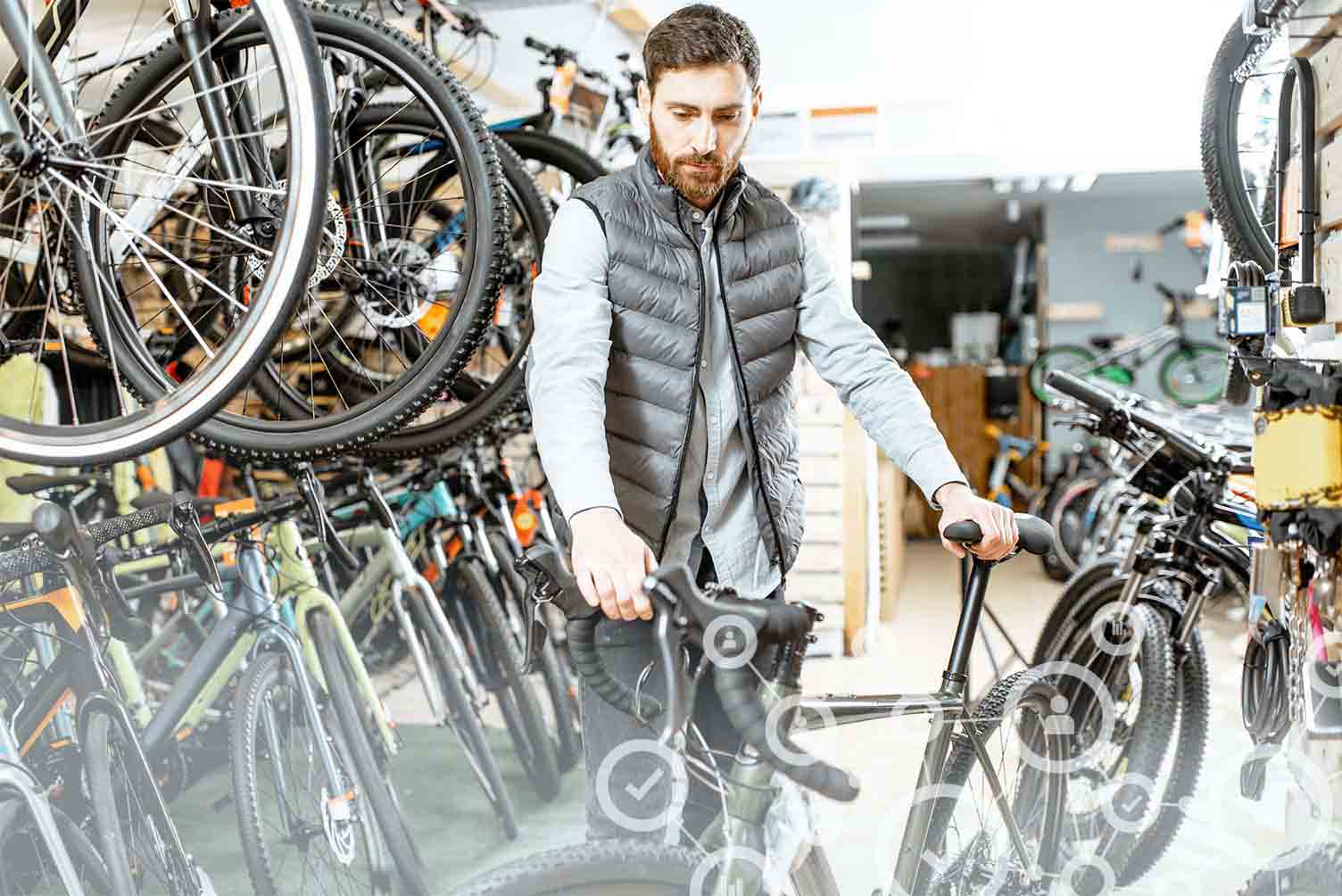
Sports equipment rental means temporarily paying for the use of gear — skis, snowboards, bikes, boots, and accessories — for a set period, rather than buying it. It’s grown into a mainstream way to access outdoor recreation: outdoor participation in the U.S. has climbed to record levels in recent years, and rental is a major reason first-timers and occasional visitors can try skiing, snowboarding, or cycling without a large upfront investment.
Behind the counter, that convenience depends on operational infrastructure most customers never see. Platforms like Sharefox exist specifically to give rental businesses that infrastructure: a digital rental commerce platform that handles booking, inventory, payments, and customer self-service so operators can scale without adding administrative overhead for every new location or season.
“The businesses that grow fastest in rental aren’t necessarily the ones with the biggest inventory — they’re the ones that make booking and returning gear effortless for the customer, every single time.” — Rental operations consultant, quoted in Sharefox’s rental industry research
Why Equipment Quality Matters
Gear condition affects three things directly: safety, performance, and how much a customer enjoys their day. A binding that doesn’t release properly or a chain that skips mid-climb isn’t just an inconvenience — it’s a liability and a lost repeat customer. Well-maintained, well-fitted equipment is what turns a one-time renter into a returning one, which is why serious operators build maintenance and fitting checks into every inventory and booking workflow.
What’s Typically Available to Rent
A sports rental shop’s catalog usually spans several categories, and the more of them a shop can offer under one system, the more of a customer’s trip it can capture:
- Ski and snowboard packages (skis or board, boots, bindings, poles)
- Protective gear — helmets, goggles, wrist guards
- Mountain, road, hybrid, and electric bikes
- Add-on outdoor gear: tents, kayaks, and paddleboards for multi-sport trips
This is the same logic behind Sharefox’s broader vertical coverage — the platform supports dedicated setups for ski, bicycle, and general outdoor gear rental, so a shop that rents skis in winter and bikes in summer doesn’t need two different systems.
Choosing the Right Ski and Snowboard Equipment
Matching gear to skill level and conditions is the single biggest factor in a good day on the mountain — and it’s the area where rental shops earn or lose trust fastest.
Essential Skiing Gear
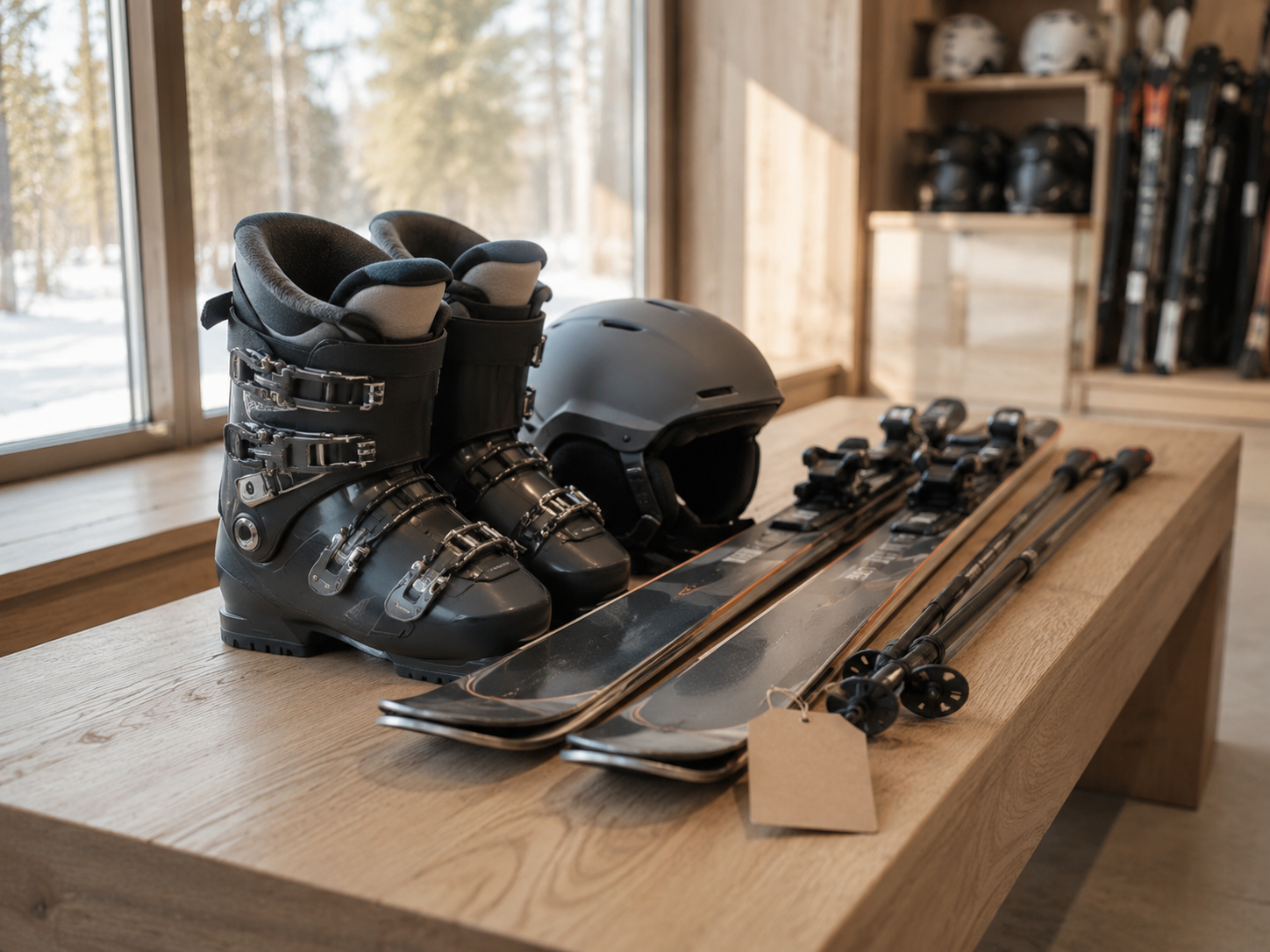
A complete ski rental typically includes:
Shops that stock a range of top brands and can fit boots properly on the spot see far fewer mid-day returns and complaints — the single best predictor of a five-star review.
Snowboard Rentals
A snowboard package usually bundles the board, bindings, and boots together, sized to the rider’s weight, height, and ability. Offering a range from beginner-friendly all-mountain boards to stiffer freestyle or powder boards lets a shop serve both first-timers and returning riders from the same counter.
Boots and Accessories
Boots are arguably the most important fit decision in the entire rental — poor boot fit causes more discomfort complaints than any other item. Helmets and goggles round out a safe, comfortable setup, and shops that bundle these by default (rather than as a hard upsell) tend to see higher package attach rates.
Bike Rentals for Every Kind of Ride
Bike rental has expanded well beyond beach cruisers. A modern fleet typically spans mountain bikes for trail systems, hybrid and city bikes for paved paths and downtown routes, and increasingly, electric bikes that make hillier terrain accessible to a wider range of riders.
Choosing the Right Location and Setup
Rental locations near trailheads, bike paths, or town centers convert foot traffic far better than shops relying on destination visits alone. What separates the best locations isn’t just geography — it’s whether a customer can reserve a bike online in advance and skip the counter entirely. A solid online booking setup does more for conversion in a tourist location than almost any other single investment.
Keeping Rental Bikes in Service
A quick pre-ride check — brakes, tires, chain, seat height — catches most issues before they become a problem on the trail. Between rentals, shops that log maintenance against each individual bike (rather than the fleet as a whole) catch wear patterns early and avoid pulling a bike from service mid-season.
Seasonal Considerations for Equipment Rentals
Sports rental is inherently seasonal, and the operators who handle the transition between seasons best are the ones who plan inventory and staffing around it rather than reacting to it.
Winter: Ski and snowboard demand concentrates into a few months, so advance reservations matter — a shop that lets customers book skis online weeks ahead of a trip captures revenue it would otherwise lose to a competitor with an easier booking flow.
Summer: Bike, paddleboard, and general outdoor gear rental fills the warmer months, often for the same customer base and sometimes the same physical location.
Year-round: Businesses that operate across both seasons — rather than closing for half the year — get more value out of a single rental management system that handles both catalogs instead of running two separate tools.
Tips for Efficient Rental Operations
Streamline the Booking and Check-In Process
The operational core of a rental business is booking and inventory management. Sharefox’s platform supports:
| Capability | What It Enables |
|---|---|
| Booking & inventory management | Real-time availability across locations |
| Self-service check-in/out | Fewer counter bottlenecks during peak hours |
| Subscription & short/long-term rentals | Flexibility for seasonal and multi-day gear |
| MultiCommerce (rent, sell, subscribe) | One system for hybrid revenue models |
| Payments, accounting & ID verification integrations | Less manual admin per transaction |
| Pricing configuration & analytics | Data-driven seasonal pricing decisions |
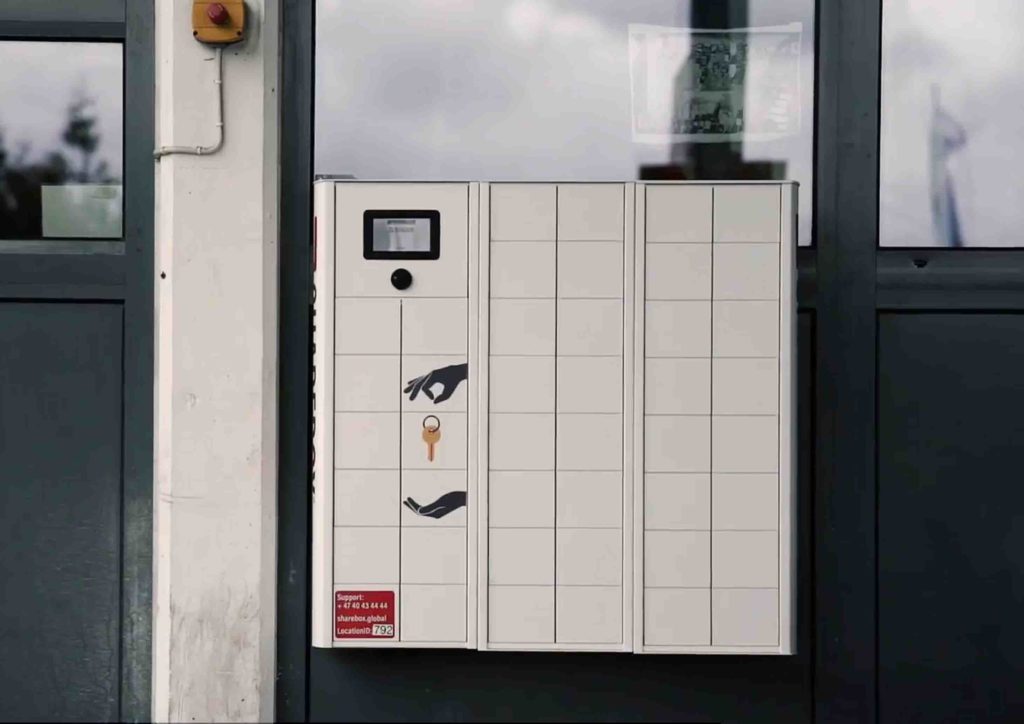
This is the difference between a shop that needs extra staff every peak weekend and one that lets most of that peak-hour volume handle itself through self-service rental tools.
Customer Experience as a Retention Strategy
Renting gear shouldn’t feel like a transaction wedged between the parking lot and the chairlift. Shops that let customers reserve online, skip the paperwork queue, and get sized recommendations in advance consistently see stronger repeat business — a pattern documented in case studies like Marbella Rent a Bike and Mohsport, both of which digitized their booking process to reduce front-desk friction.
Marketing a Seasonal Rental Business
Marketing a sports rental business means communicating value at exactly the right moment — a few weeks before ski season, or right as bike trails open for spring. Shops that combine seasonal content with an easy ROI-focused booking flow tend to convert seasonal search traffic more reliably than those relying on walk-ins alone. For shops running variant-heavy catalogs — multiple sizes, styles, and package combinations — using a proper variant system keeps that complexity from turning into booking errors.

 All in one platform