Skip to main content


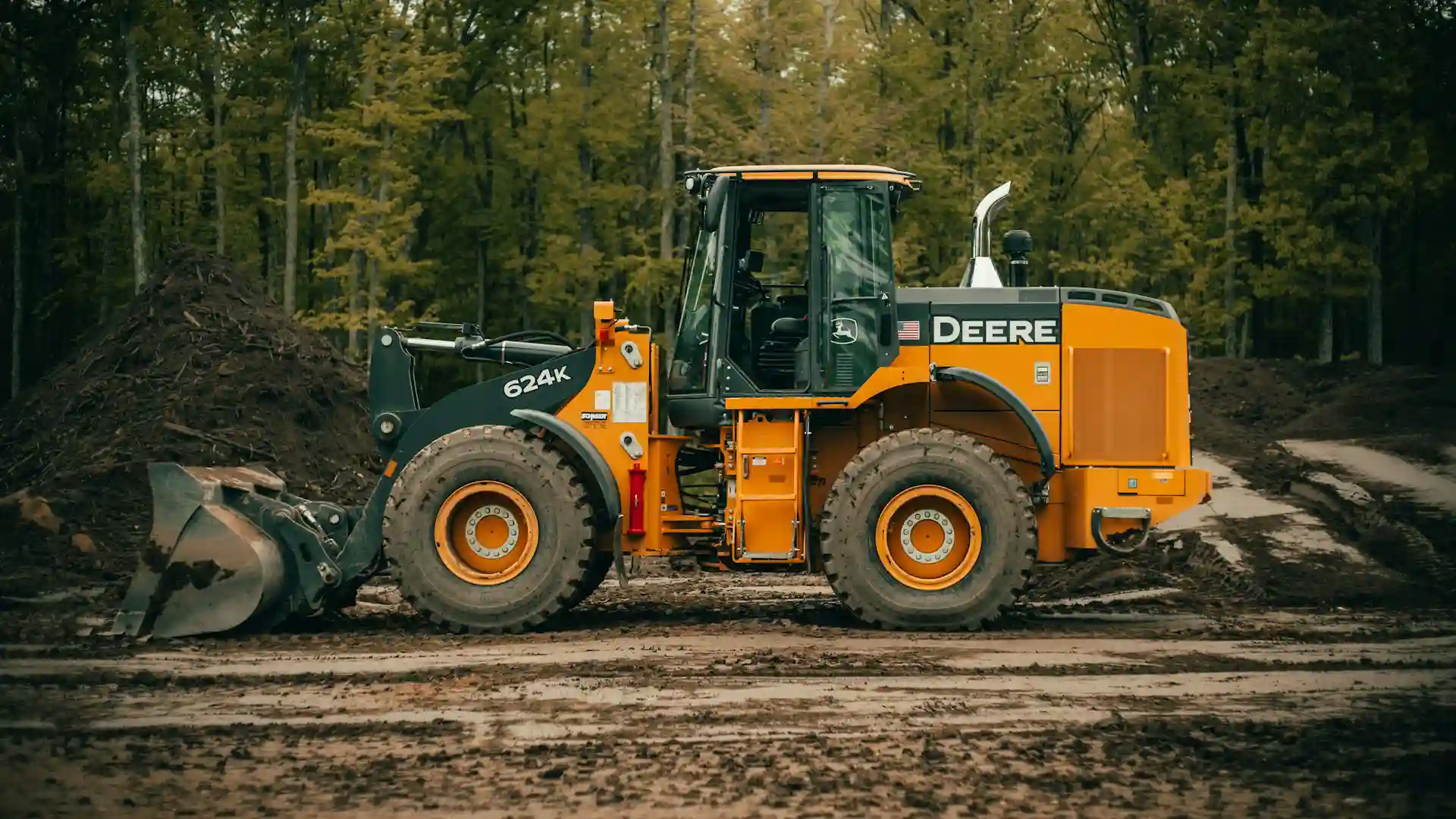
In the demanding world of construction, machinery, and tool rentals, ensuring the longevity and optimal performance of equipment is paramount. This objective is achieved through diligent inspection processes and the strategic use of advanced inspection tools. Regular, thorough inspections don’t just extend the lifespan of valuable assets — they uphold safety standards, protect customers, and safeguard operational efficiency for every project.
For fleet owners, the calculation is simple: the cost of an inspection program is a fraction of the cost of a breakdown mid-rental, a liability claim, or a piece of equipment retired years before its time. This guide walks through why inspection matters, which tools belong in every inspector’s kit, and how a documented inspection process becomes a genuine trust signal for your rental business.
Understanding the Importance of Inspection
Understanding the critical role of inspection is fundamental for any equipment rental business aiming for sustained success and customer satisfaction. A meticulous inspection process allows businesses to maintain high-quality machinery, prevent costly downtime, and ultimately enhance their reputation within the industry. It’s about being proactive, ensuring every piece of equipment is ready for its next job, and minimizing unforeseen issues — a principle that underpins good construction equipment rental management more broadly.
“The equipment that fails on a job site almost never fails without warning — it fails without an inspection. Every hydraulic leak, every frayed cable, every worn brake pad leaves a trace long before it becomes an incident.” — a veteran fleet inspector’s field observation, echoed across the industry’s safety literature.
The Role of an Inspector in Equipment Longevity
An inspector plays a pivotal role in maximizing equipment longevity, acting as the first line of defense against potential issues. Their expertise allows them to meticulously inspect machinery, identifying defects and wear that could otherwise go unnoticed. Through thorough inspection, they ensure that equipment remains in prime condition, extending its operational life and preventing unexpected breakdowns that could disrupt project timelines. This is one reason rental businesses increasingly tie inspection checkpoints directly to their inventory and logistics workflows rather than treating inspection as a separate, disconnected task.
Benefits of Regular Inspections
Regular inspections offer a multitude of benefits, primarily centered on preventing costly repairs and ensuring operational continuity. By systematically evaluating each piece of equipment, potential hazards are identified and addressed proactively, significantly reducing the risk of unexpected failures. This consistent oversight extends the lifespan of machinery, ensuring it remains reliable and available for clients, thereby bolstering business profitability and reputation. Businesses that pair inspections with a documented maintenance schedule consistently report fewer emergency repairs and less unplanned fleet downtime.
The table below illustrates, at a high level, why the up-front time investment in inspection pays off over the life of a rental fleet.
| Factor | Fleet With Scheduled Inspections | Fleet Without a Formal Inspection Program |
|---|---|---|
| Unplanned breakdowns mid-rental | Rare — caught during pre-rental checks | Common — issues surface on the customer’s job site |
| Average equipment lifespan | Extended, closer to manufacturer projections | Shortened due to unaddressed wear |
| Liability & safety incidents | Lower — hazards flagged before deployment | Higher — defects go unnoticed until failure |
| Customer trust & repeat bookings | Stronger — consistent, reliable equipment | Weaker — damaged reputation after failures |
| Insurance & compliance posture | Easier to document and defend | Harder to justify after an incident |
Common Issues Identified During Inspections
During a routine inspection, several common issues frequently come to light, which if left unaddressed, could lead to significant problems. Inspectors often detect early signs of wear and tear, such as hydraulic fluid leaks, frayed electrical wiring, or structural fatigue in critical components. Identifying these defects promptly allows for timely intervention, preventing minor issues from escalating into major repairs or safety hazards and maintaining equipment integrity. Tracking these findings against a rental’s order management history also makes it easier to spot which units are trending toward failure across multiple bookings.
Essential Inspection Tools for Home and Machinery
Must-Have Inspection Equipment
Having the right inspection equipment is fundamental for any thorough inspection. Every inspector understands that a comprehensive toolkit, filled with must-have inspection tools, enables them to detect potential hazards and defects with precision. From specialized testers to general inspection tools and equipment, these items empower inspectors to perform their duties effectively, ensuring the safety and longevity of both residential properties and heavy machinery. These professional-grade tools are the backbone of a successful equipment rental business.
Overview of Home Inspection Tools
For a home inspection, a home inspector relies on a specific set of tools to meticulously examine every aspect of a property. This toolkit allows inspectors to uphold professional home inspection standards of practice. Essential tools include:
Moisture meter
Purpose
Detect leaks and potential water damage in basements and around water heaters.
Infrared camera
Purpose
Identify thermal anomalies.
Flashlight
Purpose
Illuminate attics and crawlspaces.
Electrical tester
Purpose
Check outlets and GFCI circuit interrupters, ensuring electrical current safety.
Inspection Tools for Heavy Machinery
Inspecting heavy machinery requires a robust set of inspection tools tailored to its unique demands. These tools allow inspectors to detect defects and proactively address maintenance needs. A reliable toolkit for construction machinery inspection also includes various gauges and meters for fluid levels, pressure, and wear. Personal protective equipment (PPE) is also paramount to ensure the inspector’s safety during every inspection.
| Tool Category | Specific Tools / Purpose |
|---|---|
| Specialized Equipment | Ultrasonic detectors (for internal defects), Thermal cameras (for identifying overheating components), Boroscopes (for examining inaccessible areas) |
| Personal Protective Equipment (PPE) | Safety glasses, Full-face respirators |
For heavy equipment fleets specifically, inspection findings should feed directly into a broader fleet management strategy so that utilization data and maintenance history stay in sync — a discipline that separates fleets built to last from fleets that wear out early.
Key Inspection Equipment and Their Uses
Moisture Meters: Importance and Application
A moisture meter is an essential inspection tool for every inspector, particularly during a home inspection. It allows inspectors to accurately detect and measure moisture levels in various materials, identifying potential leaks and water damage in basements, around water heaters, and within walls. This critical piece of inspection equipment helps proactively address issues before they escalate, safeguarding property integrity and preventing costly repairs.
Electrical Testers for Safety Checks
Electrical testers are indispensable tools for home inspectors, ensuring the electrical safety of a property. These devices allow inspectors to check outlets, wiring, and GFCI circuit interrupters for proper functionality and detect potential electrical hazards. By verifying the integrity of the electrical current, an electrical tester helps prevent accidents and ensures that the property meets all safety standards, providing peace of mind to future occupants.
Using Inspection Cameras for Detailed Assessments
Inspection cameras are invaluable for detailed assessments, allowing inspectors to examine hard-to-reach areas like attics and crawlspaces without invasive measures. These inspection tools and equipment can detect defects such as structural issues, pests, or leaks in concealed spaces. Many inspectors rely on these advanced inspection cameras to provide a comprehensive view, ensuring thoroughness in every inspection and enhancing the overall quality of their tool rental business.

Personal Protective Equipment (PPE) for Inspectors
Must-Have PPE for Safe Inspections
For every inspector, especially those conducting a home inspection or machinery inspection, must-have Personal Protective Equipment (PPE) is paramount for safety. This essential gear includes items like safety glasses to protect against debris, gloves for chemical or rough surface contact, and durable footwear. Every inspector’s toolkit should prioritize PPE, as it is crucial in mitigating risks and preventing injuries during the inspection process, ensuring the inspector’s well-being. The Occupational Safety and Health Administration (OSHA) publishes detailed guidance on selecting PPE appropriate to specific job-site hazards.
Choosing the Right PPE for Different Environments
Choosing the right PPE is critical for inspectors working in diverse environments, ensuring optimal protection for every inspection. Selecting appropriate PPE allows inspectors to confidently tackle various conditions, ensuring their safety and the integrity of the inspection.
Dusty attics
Essential PPE
Full-face respirators
Noisy machinery settings
Essential PPE
Hearing protection
Potential carbon monoxide or radon
Essential PPE
Specialized detectors
Importance of PPE in Preventing Injuries
The importance of PPE in preventing injuries cannot be overstated for inspectors who routinely face various hazards. From falls off a ladder to exposure to mold or electrical current, proper PPE acts as a crucial barrier. Wearing the correct gear, such as safety glasses, gloves, and hard hats, significantly reduces the risk of accidents and long-term health issues, enabling inspectors to perform their duties safely and effectively on every inspection. Rental businesses that document PPE compliance alongside their rental agreement paperwork also strengthen their liability position if an incident is ever disputed.
Building Inspection Into Your Rental Operations
A checklist and a toolkit only go so far without a system to track them. The most resilient rental operations log every inspection against the specific unit’s history, flag units that are due for review before they’re booked out, and make that history visible to staff at check-out and check-in. Platforms that combine online booking with inventory tracking make it far easier to enforce this discipline at scale — turning inspection from a manual, easy-to-skip chore into a built-in step of every rental transaction. Vehicle-focused rental fleets face a similar challenge; see our companion guide on inspection tools for vehicle and car rental management for the parallel process on the vehicle side of the business.
 All in one platform