Skip to main content


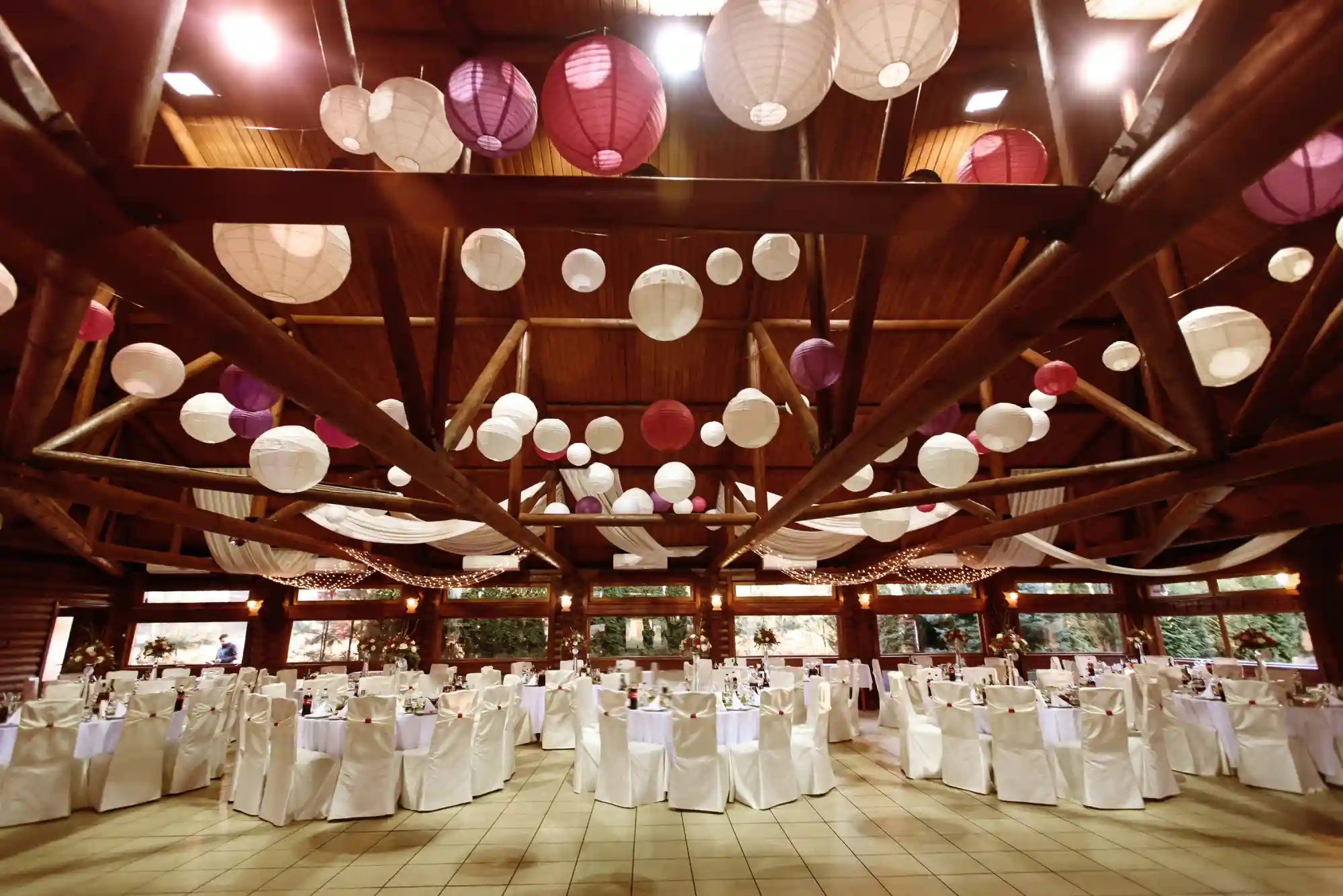
Running a profitable event space isn’t just about having a beautiful room — it’s about turning that room into a predictable, bookable, and well-managed revenue engine. Venue owners who treat their space like a product, with clear pricing, streamlined booking, and consistent operations, consistently outperform those who manage everything from a shared inbox and a paper calendar.
This guide walks through what an event space actually is, how to plan and launch one, how to keep costs under control in the early stages, which permits and licenses typically apply, and how the right event space rental software can turn day-to-day admin into a competitive advantage.
Understanding the Venue Rental Business
What Is an Event Space?
An event space is a dedicated area available for rent, specifically designed or adapted to host gatherings — from intimate celebrations to large-scale corporate functions. That could mean a grand ballroom built for weddings, a converted warehouse for product launches, or a flexible community hall that hosts everything from birthday parties to conferences.
Understanding the specific utility and appeal of your space is crucial for effective marketing. A space built around natural light and open floor plans will attract different clients — and command different pricing — than a blackout-capable room designed for AV-heavy corporate events.
The Importance of Venue Selection
Location shapes both appeal and profitability. A well-chosen venue becomes the default choice for a category of events — weddings, corporate off-sites, community gatherings — simply because it’s easy to reach, easy to picture, and easy to book. Accessibility, parking, and proximity to complementary vendors (caterers, florists, AV suppliers) all factor into whether an event planner shortlists your space or scrolls past it.
Types of Event Venues
The event industry spans a wide range of formats, each with different capacity, amenity, and staffing expectations. Mapping your venue against these categories helps clarify who you’re actually competing with — and what buyers expect as a baseline.
| Venue Type | Typical Scale | Common Use Cases | Baseline Amenities Expected |
|---|---|---|---|
| Boutique loft / gallery | Small, intimate gatherings | Small weddings, launches, workshops | Flexible lighting, Wi-Fi, basic AV |
| Banquet hall / ballroom | Mid-size to large gatherings | Weddings, galas, conferences | In-house catering kitchen, sound system, dance floor |
| Conference center | Large, high-volume gatherings | Corporate events, trade shows | Breakout rooms, high-speed internet, AV/staging |
| Outdoor / garden venue | Mid-size gatherings | Weddings, festivals, receptions | Tenting, power access, weather contingency |
| Multi-use community hall | Small to mid-size gatherings | Parties, fundraisers, markets | Basic furniture, storage, parking |
Specializing in one or two of these categories — rather than trying to be everything to everyone — usually produces a more efficient marketing plan and a more predictable booking calendar. Related niches worth exploring include tent and outdoor event rentals, wedding-focused venues, and party and event supply rentals that often pair with a physical venue booking.
Essential Steps to Start an Event Space Business
Creating a Business Plan for Your Venue
A meticulously crafted business plan is the foundation of a successful event space. It should detail your vision, operational strategy, and financial projections, along with your specific business model — including target clientele and the event types you intend to host. Beyond helping you raise funding, a clear plan keeps day-to-day decisions (pricing, staffing, marketing spend) anchored to a long-term direction rather than reactive guesswork.
Market Research for Event Venue Business
Thorough market research should cover:
- Current trends in the event industry (hybrid events, sustainability expectations, shorter booking lead times)
- Competitor venues in your area and their pricing structures
- The needs and budget expectations of your target clientele
According to IBISWorld’s event planning industry research, the sector has shown steady demand recovery driven by corporate events and life-milestone celebrations, which is a useful benchmark when projecting your own booking volume assumptions.
Choosing the Right Location for Your Venue
Zoning regulations, parking availability, and proximity to transportation links all shape how “bookable” your venue feels to a planner comparing multiple options. A location that clears these practical hurdles removes friction from the decision — which matters more than most owners expect, since planners are often comparing three or four venues in a single afternoon.
Budget-Friendly Strategies for Starting a Venue Rental Business
Starting an Event Space Business with No Money
Limited capital doesn’t have to mean no venue. Creative leasing arrangements — profit-sharing agreements, short-term rentals, or repurposing underutilized community spaces — can get a venue operational without a large upfront purchase. Prioritize essential amenities first, and plan for gradual expansion as revenue grows rather than taking on debt to build out every feature on day one.
Cost-Effective Marketing Techniques
Digital marketing — social platforms, local directories, and a clear, fast-loading website — is the most cost-efficient way to reach event planners. High-quality photography, client testimonials, and referral relationships with local caterers and planners tend to outperform paid advertising in the early stages, both on cost and on lead quality.
Maximizing Revenue Through Amenities
Rather than investing in every possible amenity, identify the ones that align with the event types you actually want to host — a basic sound system for corporate bookings, or flexible décor options for weddings. Offering customizable add-on packages (preferred vendor lists, lighting upgrades, extended hours) increases average booking value without requiring a large capital outlay.
“The venues that grow fastest aren’t necessarily the fanciest ones — they’re the ones that make booking effortless. If a planner can see availability, get a quote, and confirm a date in one sitting, you’ve already won half the deal before you’ve shown them the room.” — A boutique event venue operator, on switching from spreadsheets to an online booking system
Permits and Licensing for Venue Rentals
Understanding Required Permits for Your Event Venue
Local authorities set specific rules for what events your venue can host and under what conditions — typically covering zoning permits, occupancy limits, and event-specific permits for larger gatherings or those involving alcohol or amplified sound. The National Fire Protection Association publishes life-safety and occupancy guidance that’s a useful starting reference before you finalize capacity numbers, though local code always takes precedence.
Securing Licenses for Event Space Operations
Beyond a basic business license, you may need permits for serving food and beverages, playing copyrighted music, or hosting certain types of entertainment. Comprehensive liability insurance is essential to protect the business from unforeseen incidents. The U.S. Small Business Administration’s guide to business licenses and permits is a solid starting point for U.S.-based operators mapping out federal, state, and local requirements.
Compliance with Local Regulations
Noise ordinances, parking requirements, and health and safety standards all factor into ongoing compliance. Reviewing your compliance checklist regularly — not just at launch — prevents disruptions to your booking schedule and protects your reputation with repeat clients and vendors.

Booking and Managing Your Event Space
Effective Booking Strategies for Your Venue
A robust online booking system lets planners see real-time availability, pricing, and amenities without a back-and-forth email chain. Offering flexible packages or discounts for off-peak dates and multi-day bookings widens the range of events you can realistically fill your calendar with. Clear, upfront cancellation and payment terms build the kind of trust that turns first-time inquiries into signed contracts.
Showcasing Your Space to Attract Clients
High-quality photography, virtual tours, and short video walkthroughs consistently outperform text descriptions alone. A rental inventory management system also helps you keep an accurate, bookable record of furniture, AV equipment, and décor add-ons — so what you show online matches what’s actually available on the day. Open-house events and personalized tours give planners a chance to picture their event in the space before they commit.
Managing Events to Ensure Client Satisfaction
Clear communication from first inquiry through post-event follow-up is what turns a one-time booking into a referral source. A documented event timeline, a named point of contact, and prompt handling of last-minute changes all reduce the friction that otherwise erodes client satisfaction — and generates the testimonials that feed your next marketing cycle.
How Sharefox Supports Event Space Operators
Sharefox brings booking, inventory, and pricing management into one system built specifically for rental and venue businesses. Instead of juggling spreadsheets, email threads, and a separate payment processor, operators get:
- Real-time availability and online booking that clients can complete without a phone call
- Inventory tracking for furniture, AV, and add-on rentals tied to each event
- Transparent pricing tools for packages, deposits, and seasonal rate changes
If you’re evaluating whether a booking platform is worth the switch, a free demo is the fastest way to see it against your own venue’s calendar and pricing structure. For a deeper dive into launching a venue business from the ground up, our guide on how to start an event rental business and our breakdown of pricing strategies for event rental businesses are good next reads.
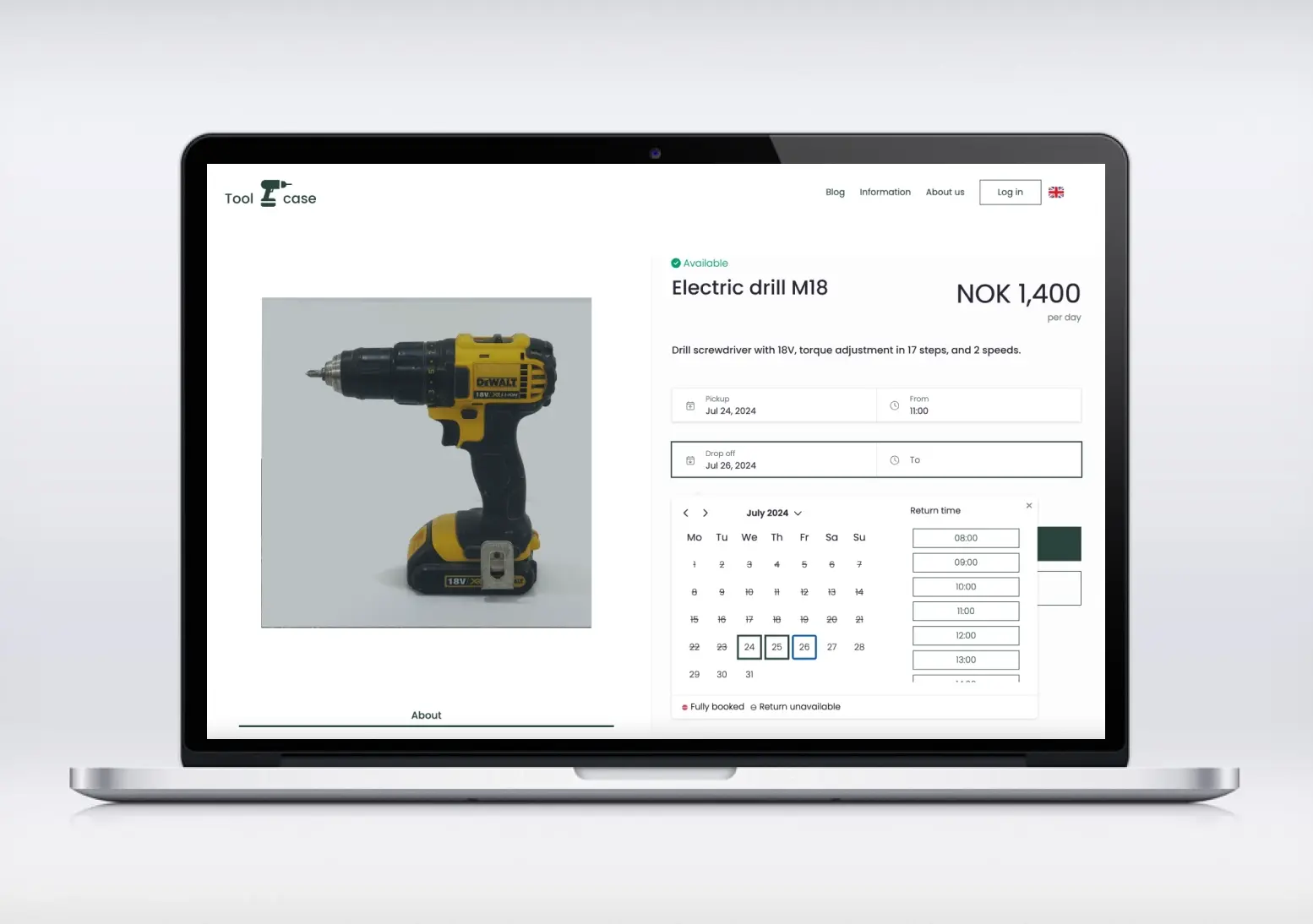

 All in one platform